Embarking on the journey of remote work presents unique opportunities and challenges, and at its core lies the art of crafting an effective daily schedule. This guide delves into the essential strategies and practical tips to help you build a structured routine that fosters productivity, enhances well-being, and cultivates a healthy work-life balance. Discover how to transform your home office into a hub of efficiency and fulfillment.
We will explore the fundamental reasons why a structured daily plan is crucial for remote professionals, moving beyond the common pitfalls of unstructured days. You’ll learn to identify your personal peak productivity times and understand how to design a flexible yet robust schedule that accommodates the demands of your role and your life. From time-blocking techniques to incorporating essential breaks and adapting to project needs, this comprehensive overview provides the blueprint for a successful work-from-home experience.
Understanding the Need for a Daily Work-From-Home Schedule
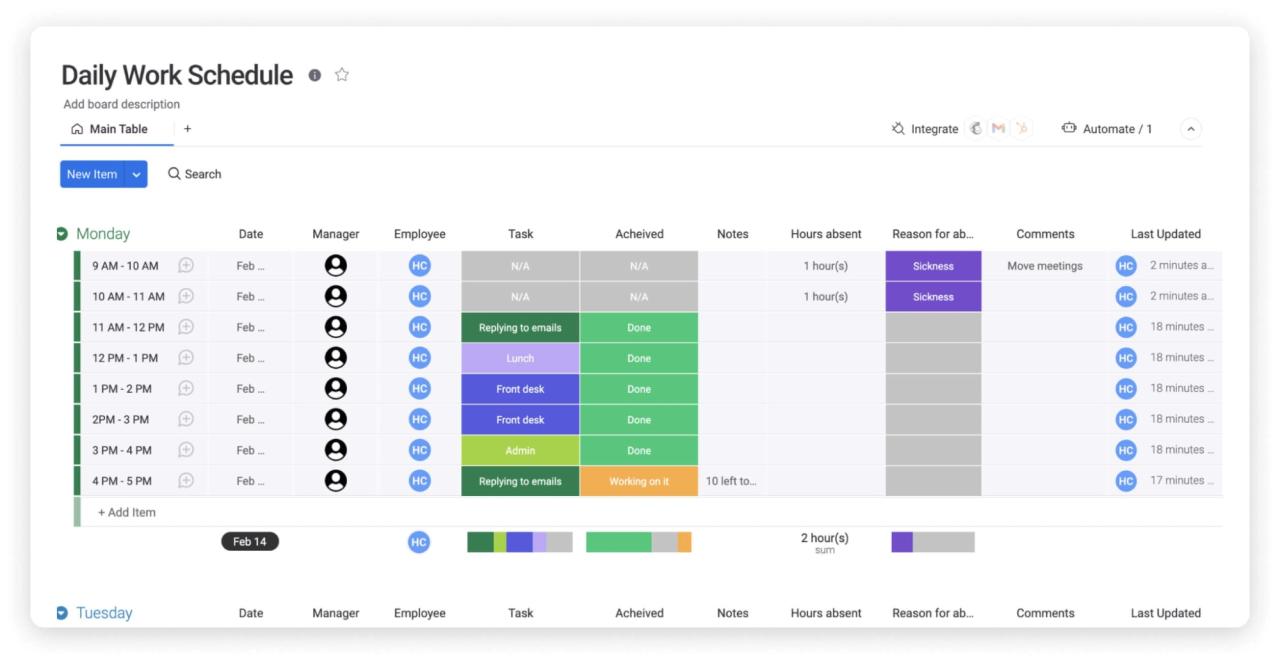
Embarking on a work-from-home journey often presents unique challenges, particularly when it comes to maintaining focus and structure. Without the inherent boundaries of a traditional office environment, it’s easy for the lines between professional responsibilities and personal life to blur, leading to decreased productivity and increased stress. Establishing a deliberate daily schedule is not merely about organizing tasks; it’s a foundational element for a successful and sustainable remote work experience.
This structured approach empowers individuals to take control of their workday, fostering efficiency and enhancing overall well-being.The absence of a predefined routine can manifest in several common challenges for remote workers. These often include difficulty in self-motivation, a tendency to procrastinate, and a feeling of being constantly “on” without adequate breaks. Without clear start and end times, work can easily bleed into personal hours, leading to burnout.
Furthermore, the lack of a structured day can impact communication and collaboration with colleagues, as irregular working hours can create scheduling conflicts and delays. Recognizing these potential pitfalls is the first step toward implementing a solution that promotes both professional success and personal fulfillment.
Benefits of a Consistent Daily Schedule
Implementing a consistent daily schedule offers a multitude of advantages that significantly contribute to both productivity and well-being for remote employees. A well-defined routine acts as a roadmap, guiding individuals through their tasks with clarity and purpose. This structure minimizes decision fatigue, allowing for greater focus on actual work rather than the logistics of managing time. By proactively allocating time for specific activities, remote workers can ensure that all essential tasks are addressed, leading to a higher quality of output and a greater sense of accomplishment.The benefits extend beyond mere task completion.
A structured schedule plays a crucial role in fostering mental and physical health. It allows for the intentional inclusion of breaks, exercise, and personal time, which are vital for preventing burnout and maintaining energy levels. This deliberate integration of self-care practices leads to improved concentration, reduced stress, and a more positive outlook on work. Ultimately, a consistent schedule transforms the remote work experience from potentially chaotic to consistently productive and fulfilling.
Identifying Personal Peak Productivity Times
Understanding when you are most alert and focused is a critical component of creating an effective daily schedule. Everyone experiences natural fluctuations in energy and cognitive function throughout the day. Identifying these personal peak productivity times allows you to strategically align your most demanding tasks with periods of highest mental acuity. This approach maximizes efficiency, ensuring that complex problem-solving, creative thinking, and critical analysis are undertaken when you are best equipped to perform them.To identify your peak productivity times, consider the following strategies:
- Track Your Energy Levels: For a week or two, make a note of how you feel at different times of the day. Pay attention to your alertness, focus, and motivation levels.
- Analyze Task Performance: Reflect on which tasks you tend to complete most efficiently and with the least effort. Note the times of day when these tasks were performed.
- Experiment with Work Blocks: Try scheduling different types of work during various time slots and observe your performance and engagement.
- Consider Chronotype: Understand whether you are naturally a morning person (lark) or a night owl. While schedules can be adapted, acknowledging your innate tendencies is a valuable starting point.
By diligently observing and experimenting, you can gain valuable insights into your personal productivity rhythms.
Impact of Lacking Routine on Work-Life Balance
The absence of a structured daily routine can have a profound and often detrimental impact on the work-life balance of remote employees. Without clear boundaries, work can easily encroach upon personal time, leading to a perpetual state of being “on call.” This can result in a feeling of never truly disconnecting from professional responsibilities, which is a significant contributor to stress and burnout.The consequences of this blurred boundary are multifaceted:
- Increased Stress and Anxiety: The constant pressure to be available and responsive, coupled with the inability to switch off, elevates stress levels and can lead to chronic anxiety.
- Reduced Personal Time: Essential activities like spending time with family, pursuing hobbies, exercising, or simply relaxing can be consistently sidelined, leading to feelings of dissatisfaction and neglect in personal life.
- Decreased Job Satisfaction: When work consistently infringes upon personal well-being, overall job satisfaction tends to decline, as the negative impacts outweigh any perceived benefits of remote work.
- Relationship Strain: A lack of defined work hours can lead to misunderstandings and friction with family members and friends who may feel neglected or that their time is not being respected.
A consistent daily schedule is therefore not just a tool for productivity, but a vital mechanism for safeguarding and nurturing a healthy work-life balance.
Core Components of an Effective Daily Schedule
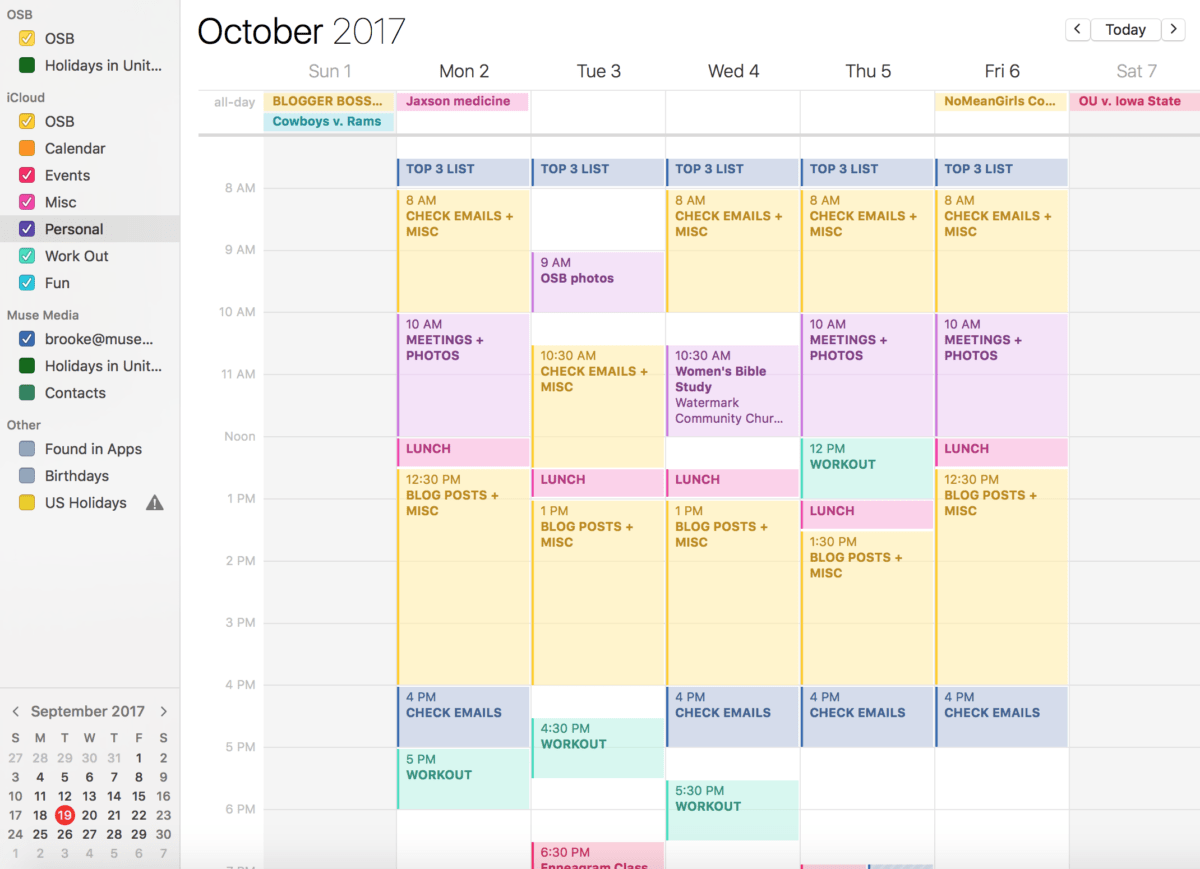
Creating a structured daily schedule is fundamental to maximizing productivity and maintaining a healthy work-life balance when working from home. It provides a roadmap for your day, ensuring that essential tasks are addressed while also incorporating necessary rest and personal time. An effective schedule is not merely a list of tasks, but a carefully designed framework that supports focus, efficiency, and well-being.The foundation of a successful work-from-home schedule lies in understanding the key elements that contribute to a productive and sustainable workday.
By thoughtfully integrating these components, you can transform your home office into a highly functional and supportive environment.
Designing a Daily Work-From-Home Schedule Template
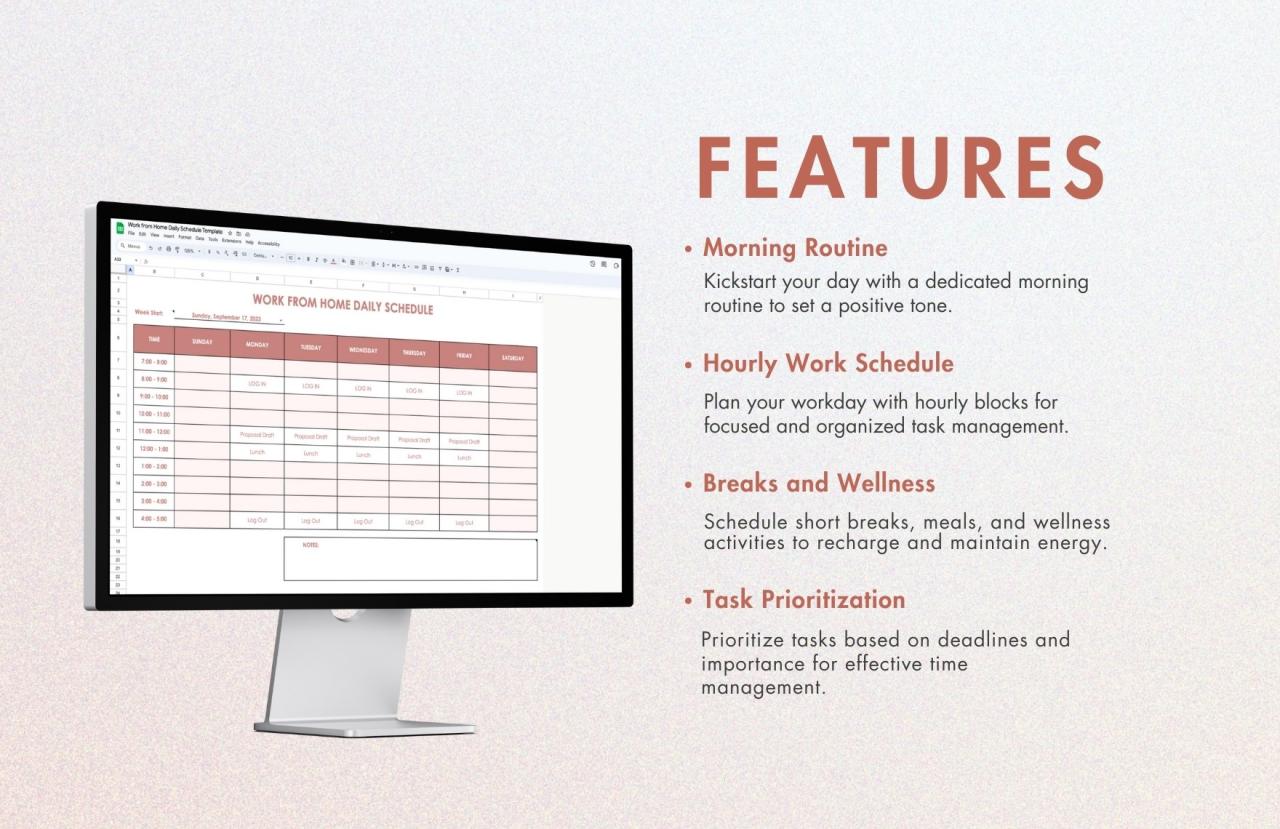
A well-designed template acts as a blueprint for your day, allowing for flexibility while ensuring all crucial aspects are covered. It involves allocating specific time blocks for different types of activities, promoting a sense of order and control over your workday.The following template provides a structured approach to building your daily schedule, incorporating various work-related and personal activities. It’s designed to be adaptable to individual needs and job requirements.
| Time Block | Activity | Notes/Focus |
|---|---|---|
| 7:00 AM – 8:00 AM | Morning Routine (Exercise, Breakfast) | Prioritize personal well-being to start the day energized. |
| 8:00 AM – 9:00 AM | Deep Work Session 1 | Dedicate this time to your most high-priority or cognitively demanding task. |
| 9:00 AM – 9:15 AM | Short Break | Incorporate a brief period for stretching, hydrating, or a quick mental reset. |
| 9:15 AM – 10:30 AM | Email & Communication | Address urgent messages, respond to emails, and manage communication channels. |
| 10:30 AM – 12:00 PM | Deep Work Session 2 | Continue focused work on project-based tasks or other critical assignments. |
| 12:00 PM – 1:00 PM | Lunch Break | Crucially, step away from your workspace to eat and recharge. |
| 1:00 PM – 2:30 PM | Meetings & Collaboration | Schedule team discussions, client calls, or collaborative sessions. |
| 2:30 PM – 2:45 PM | Short Break | Engage in a brief mindfulness exercise, a short walk, or a change of scenery. |
| 2:45 PM – 4:00 PM | Admin & Planning | Handle administrative tasks, organize your to-do list, and plan for the following day. |
| 4:00 PM – 4:30 PM | Wrap-up & Review | Finalize any remaining tasks, log your progress, and prepare for the end of the workday. |
Essential Elements for Any Work-From-Home Schedule
Incorporating specific elements into your daily schedule ensures a balanced and productive work-from-home experience. These components address both the demands of work and the importance of personal well-being.Here are the essential elements to consider when creating your work-from-home schedule:
- Dedicated Work Blocks: Allocate specific, uninterrupted periods for focused work on key tasks. This is particularly important for deep work that requires concentration.
- Communication Time: Designate times for checking and responding to emails, messages, and other forms of communication. This prevents constant interruptions throughout the day.
- Meeting Slots: Schedule meetings in dedicated blocks to minimize disruption to focused work and to ensure clear expectations for attendees.
- Planning and Review: Include time at the beginning or end of the day for planning tasks and reviewing accomplishments. This aids in staying organized and tracking progress.
- Personal Well-being Activities: Integrate time for exercise, meals, and short breaks to maintain physical and mental health, which is crucial for sustained productivity.
- Transition Periods: Allow for short buffer times between activities to mentally switch gears and avoid feeling rushed.
The Importance of Scheduling Breaks and Their Duration
Breaks are not a luxury but a necessity for maintaining cognitive function, preventing burnout, and enhancing overall productivity. Regular breaks allow your brain to rest and recharge, leading to improved focus and creativity upon returning to tasks.The duration and frequency of breaks should be tailored to individual needs and the nature of the work. However, general guidelines suggest that shorter, more frequent breaks are often more effective than fewer, longer ones.
For optimal cognitive performance, consider incorporating short breaks of 5-15 minutes every 60-90 minutes of focused work. A longer break for lunch, typically 30-60 minutes, is also essential for a substantial mental and physical reset.
These breaks should ideally involve stepping away from your workspace, engaging in light physical activity like stretching or walking, or practicing a brief mindfulness exercise. This deliberate separation helps to prevent mental fatigue and allows for a genuine recharge. For instance, a programmer working on complex code might find that a 10-minute walk around their home after an hour of intense coding significantly improves their ability to tackle the next challenging problem with fresh perspective.
Similarly, a writer experiencing a creative block could benefit from a short meditation session to clear their mind and regain momentum.
Tailoring Your Schedule to Your Specific Role and Needs
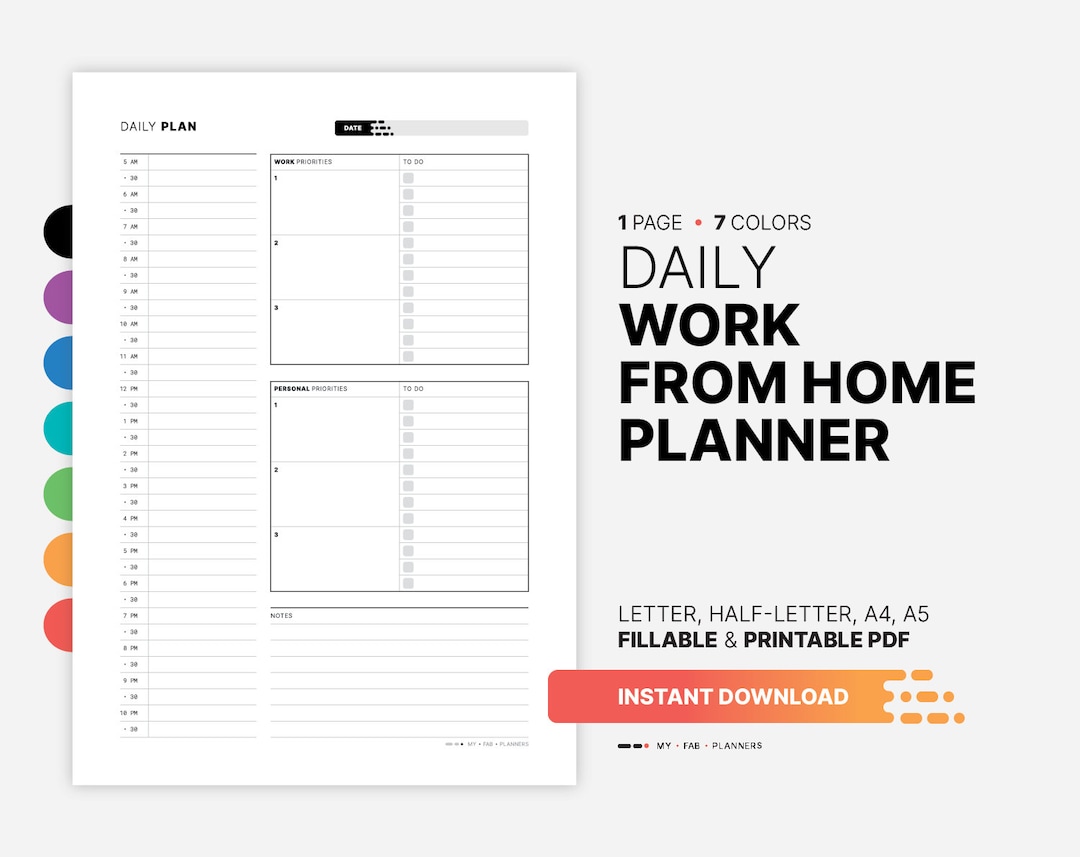
Crafting a daily work-from-home schedule is not a one-size-fits-all endeavor. The most effective routines are those that are personalized to the unique demands of your role, your personal commitments, and your individual working style. This section will guide you through the process of adapting your schedule to ensure it supports your productivity and well-being.Recognizing that different roles have vastly different rhythms is the first step in creating a truly functional schedule.
A software developer’s day will look distinct from a graphic designer’s, and both will differ from a customer support representative’s. Understanding these variations allows for a more strategic approach to time management.
Variations in Work-From-Home Roles and Schedules
The nature of your work significantly influences the structure of your day. Roles that require constant client interaction or urgent responses necessitate a different schedule than those that allow for deep, uninterrupted focus.
- Client-Facing Roles (e.g., Sales, Customer Support, Consultants): These roles often require fixed availability for meetings, calls, and immediate responses. Schedules might be built around specific client availability, often requiring early mornings or late afternoons. Time blocking for responding to emails and messages is crucial, interspersed with scheduled client interactions.
- Project-Based Roles (e.g., Developers, Writers, Designers): These roles often benefit from flexible blocks of focused work. While deadlines are important, the internal structure of the day can be more fluid, allowing for deep work sessions interspersed with shorter breaks. Collaboration tools and scheduled check-ins are vital for team alignment.
- Analytical Roles (e.g., Data Analysts, Researchers, Financial Analysts): These roles thrive on uninterrupted periods for concentration. Schedules are often designed to accommodate long stretches of focused analysis, with breaks scheduled to prevent burnout and maintain cognitive function.
- Creative Roles (e.g., Artists, Content Creators, Marketers): These roles often require periods of inspiration and exploration alongside focused execution. Schedules may include dedicated time for brainstorming, research, and experimentation, balanced with periods of intense creative output.
Incorporating Personal Appointments and Commitments
A work schedule should not exist in a vacuum; it must integrate seamlessly with your personal life. Proactively scheduling personal commitments ensures they are respected and do not inadvertently disrupt your work flow.To effectively integrate personal appointments, it’s beneficial to visualize your entire week. This allows for strategic placement of work tasks around non-negotiable personal events.
- Use a Calendar Application: The most straightforward method is to use a digital calendar that syncs across devices. Block out time for personal appointments, exercise, family meals, or any other recurring commitment.
- Color-Coding: Assign different colors to work-related tasks and personal commitments. This visual distinction can help you quickly assess your availability and the balance of your day.
- Buffer Time: Always add buffer time before and after personal appointments. This accounts for travel, unexpected delays, or simply the need to transition mentally between roles.
- Communicate Boundaries: Clearly communicate your availability to colleagues and family members. If you have a recurring personal commitment, inform your team about your fixed unavailability during those times.
- “Deep Work” vs. “Shallow Work”: Schedule demanding work tasks during your peak productivity hours and less demanding, administrative tasks or personal appointments during times when your energy levels might be lower.
Adjusting Schedules Based on Project Demands
The dynamic nature of projects means your daily schedule will likely need to be adaptable. A new project launch or a critical deadline will necessitate a temporary shift in priorities and time allocation.When faced with varying project demands, flexibility and clear communication are paramount. It’s about making informed adjustments rather than abandoning your structure entirely.
- Project Prioritization: At the start of each week, or even daily, assess the most critical tasks for your current projects. Identify which tasks require immediate attention and which can be deferred.
- Time Blocking Adjustments: For demanding projects, you may need to dedicate larger, uninterrupted blocks of time to focused work. This might mean temporarily reducing time spent on less urgent tasks or administrative duties.
- Task Batching: Group similar tasks together. For example, if a project requires significant research, dedicate a block of time solely for research activities across different project aspects.
- Agile Scheduling: For roles that involve iterative development or frequent changes, adopting agile principles can be beneficial. This involves breaking down work into smaller sprints and adjusting daily plans based on progress and feedback.
- Regular Review and Re-prioritization: Schedule brief daily or weekly check-ins with yourself or your team to review progress and re-prioritize tasks as project needs evolve.
Considerations for Creative vs. Analytical Roles
The cognitive demands of creative and analytical work are fundamentally different, and your schedule should reflect these distinctions to maximize effectiveness.
Creative Roles:
For individuals in creative fields, the schedule needs to foster an environment conducive to inspiration, exploration, and sustained creative output.
- Allocate blocks for brainstorming and idea generation: Dedicate specific times, perhaps at the beginning of the week or day, for open-ended thinking, mind mapping, and exploring new concepts without immediate pressure for a tangible outcome.
- Schedule time for creative exploration and experimentation: This involves setting aside time to try new techniques, experiment with different tools, or delve into subjects that might spark new ideas, even if they aren’t directly tied to a current project.
- Build in periods for focused, uninterrupted creative flow: Identify your peak creative hours and protect these blocks fiercely. Minimize distractions and allow yourself to enter a state of deep immersion in your creative work.
Analytical Roles:
Individuals in analytical roles benefit from schedules that support deep concentration, logical processing, and meticulous examination of information.
- Prioritize blocks for data analysis and problem-solving: Schedule significant chunks of time when your mind is sharpest for complex calculations, interpreting data, and tackling challenging problems that require sustained logical thinking.
- Schedule time for research and information gathering: Allocate dedicated periods for thorough research, fact-checking, and gathering all necessary information to support your analysis, ensuring a solid foundation for your conclusions.
- Plan for periods of logical deduction and critical thinking: Design your schedule to include times for stepping back from raw data to engage in critical evaluation, hypothesis testing, and formulating well-reasoned conclusions.
Implementing and Maintaining Your Work-From-Home Schedule
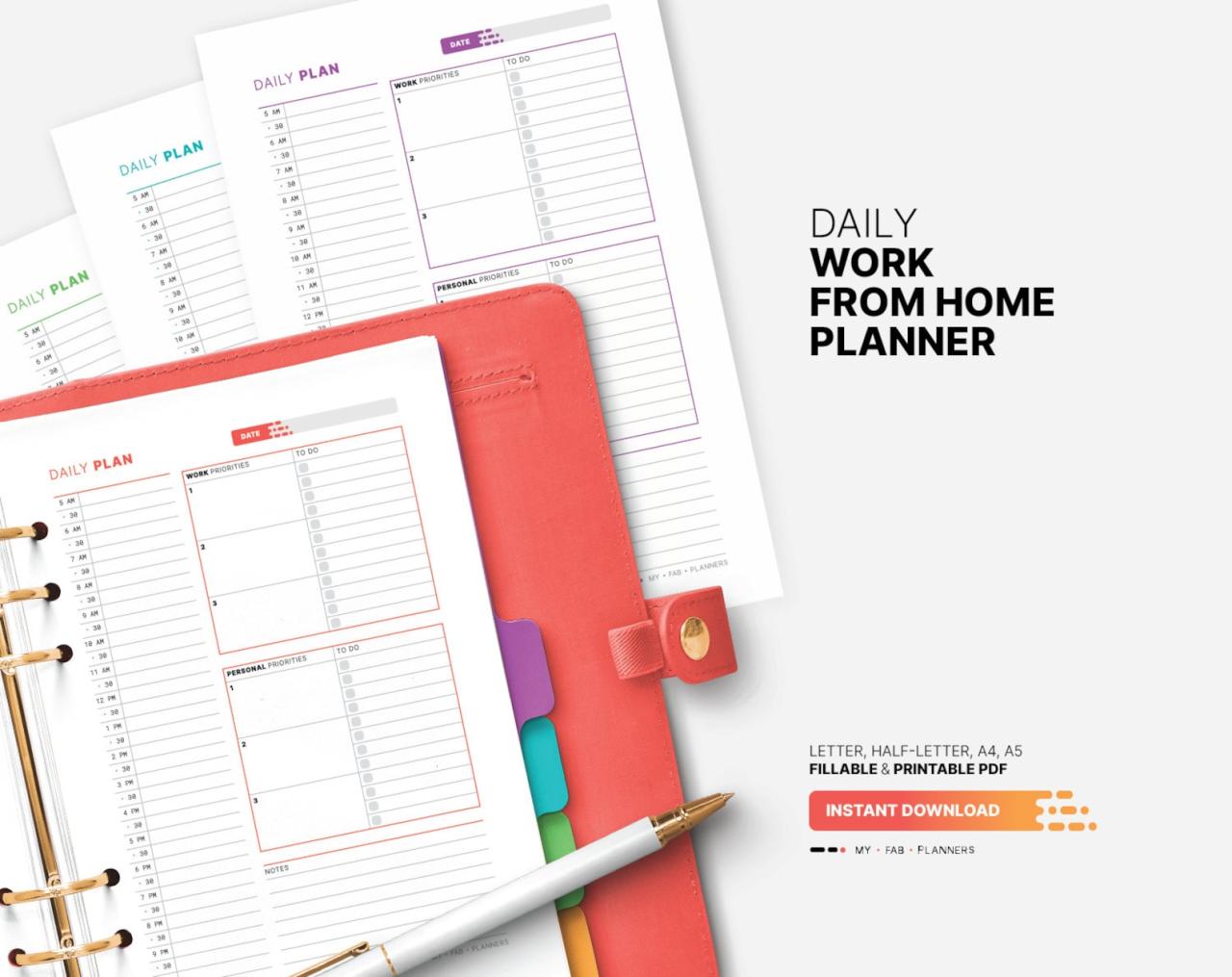
Successfully establishing a daily work-from-home schedule is only the first step; the real art lies in its consistent implementation and ongoing maintenance. This involves cultivating mindful habits to navigate your day effectively, minimize disruptions, and ensure your schedule remains a supportive framework rather than a rigid constraint.This section delves into practical strategies for bringing your schedule to life, fostering focus, and adapting as needed to maintain productivity and well-being.
Transitioning Between Scheduled Activities
Smooth transitions are crucial for maintaining momentum and preventing task-switching fatigue. Employing deliberate techniques can help you shift gears efficiently and mentally prepare for the next activity.Consider these methods for seamless transitions:
- Micro-Breaks: Dedicate 1-2 minutes between tasks to stand up, stretch, or simply close your eyes. This brief pause allows your brain to reset before engaging with new information or a different type of work.
- Transition Rituals: Develop small, consistent actions that signal the end of one activity and the beginning of another. This could be clearing your workspace, taking a sip of water, or jotting down a quick note about what you just accomplished.
- Visual Cues: Utilize visual aids like a physical timer, a different background on your computer screen, or even a specific playlist to mark the transition. This external cue can help anchor your mental shift.
- Mindful Review: Before starting a new task, take a moment to briefly review its objectives and key steps. This pre-focusing activity ensures you begin with clarity and intention.
Avoiding Distractions and Staying Focused
Distractions are a common challenge when working from home, ranging from household noises to digital notifications. Proactive strategies are essential to create an environment conducive to deep work and sustained concentration.Implement the following to enhance your focus:
- Designated Workspace: If possible, establish a dedicated area solely for work. This physical separation helps create a mental boundary, signaling to your brain that it’s time to concentrate.
- Time Blocking: Allocate specific blocks of time for focused work on particular tasks. During these blocks, minimize external interruptions by turning off non-essential notifications and communicating your availability to household members.
- The Pomodoro Technique: Work in focused intervals (e.g., 25 minutes) followed by short breaks (e.g., 5 minutes). This method breaks down work into manageable chunks, making it easier to maintain concentration and prevent burnout.
- Mindfulness and Deep Breathing: When you feel your mind wandering, practice a few minutes of deep breathing or a simple mindfulness exercise. This can help ground you and bring your attention back to the present task.
- Batching Similar Tasks: Group similar, less demanding tasks together, such as responding to emails or administrative work, and tackle them in a dedicated block. This reduces context switching and streamlines your workflow.
Tracking Progress and Making Adjustments
Regularly monitoring your progress is vital for ensuring your schedule remains effective and for identifying areas that may need refinement. This iterative process allows you to adapt your routine to changing demands and personal energy levels.Use these methods to track and adjust your schedule:
- Daily/Weekly Reviews: At the end of each day or week, take a few minutes to review what you accomplished against your planned schedule. Note any tasks that consistently take longer than expected or any that were frequently interrupted.
- Task Management Tools: Utilize digital tools like Trello, Asana, or simple to-do lists to mark tasks as complete and track your overall progress. This provides a clear visual representation of your achievements.
- Energy Level Monitoring: Pay attention to your personal energy fluctuations throughout the day. If you consistently find yourself struggling with focus during certain scheduled blocks, consider shifting those activities to times when you feel more alert.
- Feedback Loops: If you work in a team, solicit feedback on your responsiveness and availability. This external perspective can highlight potential scheduling conflicts or areas for improvement.
- Flexibility as a Tool: Understand that your schedule is a guide, not a rigid prison. Be prepared to make minor adjustments for unforeseen circumstances or urgent tasks, but always aim to return to your planned structure.
Setting Boundaries Between Work and Personal Life
A well-defined boundary between professional and personal life is paramount for preventing burnout and maintaining overall well-being when working from home. Your daily schedule should actively support this separation.Key strategies for establishing boundaries include:
- Defined Work Hours: Clearly establish your start and end times for work and communicate them to others. Resist the urge to constantly check emails or work outside these hours.
- “Commute” Rituals: Create a ritual to mark the end of your workday, much like a physical commute. This could involve tidying your workspace, listening to a specific song, or going for a short walk.
- Separate Devices/Profiles: If possible, use separate devices or browser profiles for work and personal use. This minimizes the temptation to drift between the two.
- Communicate with Household Members: If you share your living space, have open conversations about your work hours and when you need uninterrupted focus.
- Scheduled Personal Time: Intentionally schedule time for personal activities, hobbies, and relaxation. Treating these as important appointments helps ensure they don’t get sidelined by work.
Daily Affirmations for Schedule Commitment
Reinforcing your commitment to your daily schedule through affirmations can significantly boost your adherence and positive mindset. Repeating these statements regularly can help internalize the benefits of your structured routine.Incorporate these affirmations into your daily practice:
“I am focused and productive during my work hours.”
“I honor my breaks and recharge effectively.”
“I maintain a healthy balance between my professional and personal life.”
“I am adaptable and adjust my schedule as needed.”
“I am committed to my daily routine for optimal results.”
Overcoming Common Scheduling Obstacles
Creating a daily work-from-home schedule is a significant step towards productivity, but the journey is rarely without its challenges. Unexpected events, personal habits, and the inherent flexibility of remote work can all disrupt even the best-laid plans. This section will guide you through common hurdles and provide actionable strategies to maintain your schedule and achieve your work-from-home goals.Successfully navigating a work-from-home schedule requires a proactive approach to managing disruptions and maintaining personal discipline.
By understanding potential pitfalls and implementing effective coping mechanisms, you can build a resilient routine that supports sustained productivity and well-being.
Managing Unexpected Interruptions and Re-prioritizing Tasks
Unexpected interruptions are an inevitable part of life, especially when working from home. These can range from urgent family needs to sudden technical issues or last-minute work requests. The key to managing them effectively lies in developing a flexible yet structured approach to re-prioritization.When an interruption occurs, the immediate goal is to assess its urgency and impact. Is it a critical issue that requires immediate attention, or can it be deferred?
- Quick Assessment: Take a moment to understand the nature of the interruption. Is it a true emergency, or a request that can wait?
- Impact Evaluation: Determine how the interruption affects your current tasks and deadlines.
- Re-prioritization Framework: Utilize a simple framework like the Eisenhower Matrix (Urgent/Important) to quickly categorize incoming demands.
- Communication is Key: If the interruption is work-related and will impact your timeline, communicate proactively with relevant colleagues or supervisors.
- Scheduled Buffer Time: Incorporate short, unscheduled buffer periods into your day to absorb minor interruptions without derailing your entire schedule.
Strategies for Dealing with Procrastination and Maintaining Motivation
Procrastination is a common adversary for remote workers, often fueled by a lack of external accountability and the allure of distractions. Maintaining motivation requires a multi-faceted approach that addresses both the psychological and practical aspects of task completion.To combat procrastination and keep your motivation high, consider these effective strategies:
- The Two-Minute Rule: If a task takes less than two minutes, do it immediately. This builds momentum and clears small items from your to-do list.
- Break Down Large Tasks: Overwhelming tasks are prime candidates for procrastination. Divide them into smaller, more manageable sub-tasks, making them feel less daunting.
- Time Blocking and Pomodoro Technique: Allocate specific time blocks for tasks and use techniques like the Pomodoro Technique (e.g., 25 minutes of focused work followed by a 5-minute break) to maintain focus and prevent burnout.
- Reward System: Implement a reward system for completing challenging tasks or reaching milestones. This positive reinforcement can be a powerful motivator.
- Accountability Partners: Connect with a colleague or friend to share your goals and progress. Mutual accountability can be highly effective.
- Visualize Success: Regularly remind yourself of the benefits of completing your tasks and the positive outcomes they will bring.
Methods for Setting Realistic Expectations and Avoiding Over-scheduling
One of the most common pitfalls of new work-from-home schedules is the tendency to overcommit and over-schedule. This can lead to burnout, frustration, and a sense of failure. Setting realistic expectations is crucial for long-term sustainability.To avoid over-scheduling and set achievable goals, focus on these methods:
- Start Conservatively: When first establishing your schedule, err on the side of under-scheduling. It’s easier to add tasks than to constantly adjust a packed agenda.
- Estimate Task Duration Accurately: Be honest about how long tasks will truly take, including time for preparation, execution, and review.
- Factor in Transitions: Account for the time it takes to switch between tasks, take breaks, and prepare for the next activity.
- Listen to Your Body: Recognize your natural energy fluctuations. Don’t schedule demanding tasks during periods when you consistently experience low energy.
- Prioritize Ruthlessly: Understand that not everything can be done. Focus on the most critical tasks and be willing to let go of less important ones if time is limited.
Common Pitfalls and Their Solutions
Even with the best intentions, a work-from-home schedule can be derailed by recurring issues. Identifying these common pitfalls allows for the implementation of targeted solutions to prevent them from undermining your productivity.Here are some frequent obstacles and how to overcome them:
| Common Pitfall | Solution |
|---|---|
| Lack of clear boundaries between work and personal life. | Establish a dedicated workspace and set clear start and end times for your workday. Communicate these boundaries to household members. |
| Constant context switching due to too many open tabs or applications. | Use browser extensions to manage tabs or close unnecessary applications. Focus on one task at a time. |
| Feeling isolated and disconnected from colleagues. | Schedule regular virtual check-ins with your team and actively participate in online collaboration tools. |
| Difficulty transitioning from one task to another. | Implement short transition rituals, such as a brief walk or stretching, between tasks. |
| Underestimating the time required for meetings or collaboration. | Add buffer time before and after meetings to account for preparation and follow-up. |
Managing Tasks Requiring High Energy Versus Routine Tasks
Effectively managing your daily schedule involves recognizing the different demands of various tasks and aligning them with your personal energy levels and productivity peaks. Tasks that require significant mental effort and creativity should be approached differently than those that are more repetitive and procedural.
High-Energy Tasks:
These tasks often involve problem-solving, strategic thinking, creative endeavors, or complex decision-making. They demand focus, mental clarity, and sustained concentration.
- Schedule During Peak Productivity Hours: Identify the times of day when you naturally feel most alert, focused, and creative. This is typically in the morning for many individuals, but it can vary.
- Break Down into Smaller, Manageable Steps: Even high-energy tasks can feel overwhelming. Deconstruct them into smaller, actionable components to make them more approachable and trackable.
- Ensure Minimal Distractions: Create an environment conducive to deep work. This might involve turning off notifications, closing unnecessary tabs, and informing others of your need for uninterrupted time.
Routine Tasks:
These tasks are typically repetitive, administrative, or require less intense cognitive effort. Examples include responding to routine emails, data entry, filing, or administrative follow-ups.
- Group Similar Tasks Together: Batching similar routine tasks allows for greater efficiency. By focusing on one type of activity at a time, you reduce the mental overhead of switching contexts.
- Schedule During Lower Energy Periods: These tasks are often well-suited for times when your energy levels are naturally lower, such as after lunch or towards the end of the workday.
- Batch Processing Can Be Efficient: Dedicate specific blocks of time to complete all of a particular type of routine task at once. This streamlines your workflow and prevents these smaller tasks from interrupting more demanding work.
Final Conclusion
Mastering the creation and maintenance of a daily work-from-home schedule is an ongoing, rewarding process. By understanding its importance, incorporating key components, tailoring it to your unique needs, and proactively overcoming obstacles, you can build a routine that not only boosts your productivity but also significantly enhances your overall well-being and work-life harmony. Embrace these strategies to cultivate a fulfilling and efficient remote work experience.