Effective time management is crucial for success during exam preparation. This guide provides a comprehensive strategy, encompassing planning, techniques, study habits, stress management, and exam day preparation. By understanding and implementing these key elements, students can optimize their study time, reduce stress, and achieve their academic goals.
The guide delves into practical methods for creating a realistic study schedule, incorporating effective time management techniques like the Pomodoro Technique and time blocking. It also emphasizes the importance of a conducive study environment, stress reduction strategies, and a well-structured exam day approach. Detailed checklists and tables will aid in the implementation of these strategies, leading to a more productive and less stressful exam preparation experience.
Planning and Scheduling

Effective time management during exam preparation hinges on a well-structured plan. A meticulously crafted schedule, incorporating realistic time allocations for each subject and built-in relaxation, is crucial for success. This approach allows for focused study sessions and prevents burnout, ultimately leading to improved comprehension and retention of material.A comprehensive strategy for managing your time involves more than just allocating study hours.
It necessitates a proactive approach that includes planning, prioritizing, and incorporating essential breaks. This structured approach fosters a productive study environment, enhancing your ability to effectively prepare for exams.
Creating a Realistic Study Schedule
A realistic study schedule considers the complexity of each subject and your individual learning pace. Start by identifying the subjects requiring more time and attention based on their difficulty level. Subjects demanding more hours for preparation should be allocated more time slots in the study schedule. For example, a challenging mathematics course might necessitate more study time than a simpler history course.
This tailored approach ensures adequate focus on all subjects, preventing any area from being overlooked.
Weekly Study Timetable Template
A structured weekly timetable facilitates a focused approach to exam preparation. This template allows for dedicated time slots for each subject and built-in breaks, promoting both productivity and well-being. The template should be personalized to your specific needs and learning style.
- Subject: Clearly specify the subject being studied. For instance, “Mathematics,” “History,” “English Literature.”
- Time Slot: Allocate specific time blocks for each subject, considering its difficulty and your learning pace.
- Tasks: Artikel the specific tasks to be completed during that time slot, such as reviewing notes, solving problems, or reading assigned material.
- Break Time: Include designated intervals for breaks and relaxation.
- Review and Adjustment: Leave space to review and adjust the timetable based on your progress and any unforeseen circumstances.
Incorporating Breaks and Relaxation
Regular breaks are essential to maintain focus and prevent burnout. Short, frequent breaks are more effective than one long break. For example, a 15-minute break every two hours can significantly enhance concentration and prevent mental fatigue. These breaks can involve activities like stretching, light exercise, or spending time outdoors. Remember, breaks are not a sign of weakness but a crucial component of effective time management.
Exam Preparation Checklist
A checklist provides a structured approach to tackling all aspects of exam preparation. This checklist ensures that no critical step is missed. A comprehensive checklist should include tasks like gathering materials, creating notes, and practicing past papers.
- Gather Materials: Ensure all necessary textbooks, notes, and other resources are readily available.
- Create Notes: Organize and summarize key concepts and information from lectures and readings.
- Practice Questions: Solve practice problems and answer past exam questions to reinforce understanding and identify areas needing further attention.
- Review and Revise: Regularly review previously covered material to reinforce learning and identify any knowledge gaps.
- Seek Help: Don’t hesitate to ask for clarification or assistance from teachers or classmates when needed.
Prioritizing Tasks
Prioritizing tasks based on urgency and importance is a vital component of effective time management. The Eisenhower Matrix, a tool for categorizing tasks based on urgency and importance, helps you prioritize effectively. This matrix categorizes tasks into four quadrants: urgent and important, important but not urgent, urgent but not important, and neither urgent nor important.
| Urgent | Not Urgent | |
|---|---|---|
| Important | Crises, deadlines, pressing problems | Planning, prevention, relationship building |
| Not Important | Interruptions, some meetings, some calls | Time wasters, busywork |
Prioritize tasks in the “urgent and important” quadrant first, followed by tasks in the “important but not urgent” quadrant. This approach helps you focus on what truly matters and prevents you from getting bogged down in less crucial tasks.
Time Management Techniques

Effective time management is crucial for successful exam preparation. Understanding and implementing various techniques can significantly improve your productivity and reduce stress during this demanding period. By strategically allocating your time and employing proven methods, you can maximize your study efficiency and achieve your academic goals.Time management techniques are not one-size-fits-all solutions. Experimentation and adaptation are key to finding methods that work best for your individual learning style and study habits.
Consistency in applying these techniques is essential for long-term success.
The Pomodoro Technique
This popular time management technique involves working in focused intervals, typically 25 minutes, followed by a short break. Repeating this cycle multiple times throughout the study session enhances concentration and prevents burnout. The structured nature of the Pomodoro Technique fosters a sense of accomplishment and encourages sustained effort.
- Focus Periods: 25-minute work intervals, during which you concentrate intensely on a specific study task.
- Short Breaks: 5-minute breaks between focus periods. These breaks are crucial for rest and rejuvenation.
- Longer Breaks: After every four Pomodoro cycles, a longer break of 15-30 minutes is recommended to avoid mental fatigue.
Applying this technique to exam preparation involves setting a timer for 25 minutes and focusing on a specific topic or section. After the 25 minutes, take a 5-minute break. Repeat this process until you’ve completed your study session.
Time Blocking
Time blocking involves scheduling specific time slots for different tasks, including studying, reviewing, and leisure activities. This technique promotes a structured approach to managing your time, enabling you to allocate sufficient time for each task. It offers a clear visual representation of your schedule, helping you stay organized and focused.
- Planning: Create a schedule that allocates specific time blocks for different activities, such as studying, attending classes, and taking breaks.
- Prioritization: Assign higher priority to more crucial tasks or exam-related subjects within your schedule.
- Flexibility: Include buffer time in your schedule to accommodate unforeseen events or unexpected delays.
For example, you might schedule a specific block of time for reviewing notes from a particular subject. This structured approach ensures you dedicate the necessary time to each subject.
The Eisenhower Matrix
The Eisenhower Matrix is a prioritization tool that helps categorize tasks based on urgency and importance. This aids in allocating time effectively by focusing on high-priority tasks first. The matrix facilitates a clear understanding of what tasks demand immediate attention and which can be scheduled for later.
| Urgent | Not Urgent | |
|---|---|---|
| Important | Crises, Pressing Problems | Planning, Prevention |
| Not Important | Time-wasters, Interruptions | Scheduling, Relationship building |
Applying the Eisenhower Matrix to exam preparation involves identifying important and urgent tasks, such as studying for an upcoming exam. Non-urgent but important tasks could be creating a study schedule or reviewing past exams. This method ensures your efforts are focused on the most impactful tasks.
Effective Study Habits
Cultivating effective study habits is crucial for success in exam preparation. These habits go beyond simply allocating time; they encompass strategies for optimal focus, minimizing distractions, and creating a supportive learning environment. Mastering these techniques empowers students to maximize their study time and enhance their comprehension.Effective study habits are not a one-size-fits-all solution. Tailoring your approach to your individual learning style and the subject matter is key to success.
This section will provide practical strategies to enhance focus, minimize distractions, and foster a conducive study environment.
Maximizing Focus and Concentration
Consistent focus and concentration are paramount during study sessions. Establishing a routine and dedicating specific times for study can significantly improve focus. Regular breaks, combined with focused work periods, can enhance concentration and prevent mental fatigue. Employing techniques like the Pomodoro Technique, which involves working in focused intervals with short breaks in between, can be very effective.
Maintaining a calm and organized study space further contributes to concentration.
Minimizing Distractions During Study Time
Distractions are ubiquitous in modern life, but they can significantly hinder academic progress. Identifying and eliminating distractions is vital for effective study. Turn off notifications on your phone and computer, inform others of your study schedule, and find a quiet study space free from interruptions. Use website blockers to prevent social media or distracting websites from interfering with your study sessions.
Prioritizing tasks and creating a dedicated study environment are crucial steps to minimize distractions.
Creating a Conducive Study Environment
A well-structured study environment significantly impacts focus and stress levels. Natural light, comfortable seating, and a clutter-free workspace can significantly enhance concentration. Maintaining a balanced environment with adequate lighting and ventilation, minimizing visual and auditory stimuli, can lead to a more focused study session. Personalizing the space with motivational elements or reminders can also contribute to a more positive learning experience.
Active Recall and Spaced Repetition
Active recall techniques, such as testing yourself on material, are more effective than simply rereading notes. Spaced repetition, where you review material at increasing intervals, strengthens memory retention. These techniques promote deeper learning and enhance long-term knowledge retention. Using flashcards, practice quizzes, or teaching the material to someone else are effective methods of active recall. This active engagement with the material, rather than passive reading, creates a stronger memory trace.
Study Methods for Different Subjects
Different study methods are suitable for different subjects. The table below illustrates the applicability of various techniques:
| Study Method | Subjects Suitable for Method | Explanation |
|---|---|---|
| Reading | Literature, History, Social Sciences | Effective for absorbing information and understanding complex ideas. |
| Note-Taking | Science, Math, Lectures | Useful for capturing key concepts and relationships. |
| Summarizing | All subjects | Enhances understanding by condensing information and identifying main points. |
| Problem Solving | Mathematics, Science, Engineering | Crucial for developing practical understanding and applying concepts. |
| Creating Visual Aids | Science, Biology, Chemistry | Illustrating concepts and processes through diagrams, charts, or models. |
“Active recall and spaced repetition are proven methods for enhancing memory retention and promoting long-term knowledge.”
Managing Stress and Well-being
Exam preparation can be a stressful period, significantly impacting academic performance. Effective time management alone isn’t sufficient; a holistic approach that prioritizes well-being is crucial. Understanding the link between stress and performance, and developing healthy coping mechanisms, are vital for success.Exam pressure often leads to heightened stress levels, which can manifest in decreased concentration, memory problems, and increased anxiety.
This, in turn, can negatively affect study efficiency and overall academic outcomes. A balanced approach that addresses both academic demands and personal well-being is essential for optimal performance.
The Impact of Stress on Academic Performance
Exam stress, if not managed effectively, can lead to a cascade of negative effects. This includes decreased cognitive function, making it harder to focus and retain information. Stress hormones can also disrupt sleep patterns, further impairing concentration and memory. Moreover, excessive stress can lead to emotional distress, impacting motivation and the ability to approach the exam with a clear mind.
Understanding this connection is the first step in mitigating its detrimental effects.
Stress Management Techniques
Proactive strategies for managing stress and anxiety are essential during exam preparation. These techniques provide a foundation for coping with the pressures of exams.
- Deep Breathing Exercises: Controlled breathing techniques can help calm the nervous system. Incorporating deep, slow breaths can lower heart rate and blood pressure, promoting a sense of relaxation. This can help reduce the physiological symptoms of stress. For instance, practicing 5-minute sessions of deep breathing exercises throughout the day can help regulate stress levels and improve focus.
- Mindfulness: Practicing mindfulness involves focusing on the present moment without judgment. This can help reduce rumination on worries about the exam and cultivate a sense of calm. Regular mindfulness practice can cultivate greater emotional resilience, allowing individuals to better manage the challenges of exam preparation.
- Relaxation Techniques: Various relaxation techniques, such as progressive muscle relaxation and guided imagery, can help reduce muscle tension and promote a sense of calm. These techniques can effectively reduce anxiety and promote a state of tranquility.
Maintaining a Healthy Lifestyle
A healthy lifestyle is critical for managing stress and maintaining optimal performance during exam preparation. Adequate sleep, nutritious food, and regular exercise contribute significantly to physical and mental well-being.
- Sleep: Aim for 7-9 hours of quality sleep per night. Establish a consistent sleep schedule to regulate the body’s natural sleep-wake cycle. Creating a relaxing bedtime routine can help promote better sleep quality. Adequate sleep is essential for cognitive function, memory consolidation, and emotional regulation.
- Nutrition: Consume a balanced diet rich in fruits, vegetables, and whole grains. Limit processed foods, sugary drinks, and excessive caffeine intake. Proper nutrition provides the necessary energy and nutrients for optimal brain function.
- Exercise: Regular physical activity can significantly reduce stress levels and improve mood. Engage in activities like brisk walking, jogging, or yoga. Exercise releases endorphins, which have mood-boosting effects and can help alleviate stress.
Healthy Coping Mechanisms
Developing healthy coping mechanisms is crucial for effectively dealing with academic pressure.
- Time Management: Effective time management techniques, as discussed previously, are essential for reducing feelings of being overwhelmed. This can prevent the buildup of stress and pressure.
- Seeking Support: Don’t hesitate to reach out to friends, family, teachers, or counselors for support and guidance. Talking about concerns can help alleviate feelings of isolation and provide perspective.
- Hobbies and Relaxation Activities: Engaging in hobbies and relaxation activities outside of studying can provide a much-needed break from academic pressure. These activities can promote stress relief and improve overall well-being.
Stress Management Strategies and Effectiveness
| Strategy | Effectiveness | Explanation |
|---|---|---|
| Deep Breathing Exercises | High | Reduces physiological stress responses, promoting relaxation. |
| Mindfulness | High | Cultivates present moment awareness, reducing anxiety and rumination. |
| Regular Exercise | High | Boosts mood, reduces stress hormones, and improves sleep. |
| Healthy Diet | High | Provides necessary nutrients for brain function, promoting cognitive performance. |
| Seeking Support | Medium to High | Provides emotional support, reducing feelings of isolation and providing perspective. |
Exam Day Preparation

Successfully navigating the exam day requires meticulous preparation and a strategic approach. This phase builds upon the groundwork established through planning, scheduling, and focused study. A well-defined plan for the exam day can significantly reduce stress and enhance performance.Exam day preparation extends beyond simply studying; it encompasses physical readiness, mental acuity, and a well-defined strategy for tackling the exam.
Understanding how to manage time, anticipate potential challenges, and approach problem-solving effectively is crucial.
Pre-Exam Day Checklist
A comprehensive checklist ensures you are well-prepared for the exam. This proactive approach minimizes anxiety and maximizes focus on the task at hand.
- Gather all necessary materials: Ensure you have the required stationery, calculators, and any other permitted aids. Double-check the list of allowed materials provided by the exam authority to avoid last-minute issues.
- Plan your route and transportation: Familiarize yourself with the route to the exam venue, accounting for potential traffic or delays. Determine the ideal departure time to reach the venue well before the scheduled start time, leaving buffer time for unforeseen circumstances.
- Prepare your mental state: Practice relaxation techniques, such as deep breathing exercises, to manage pre-exam anxiety. Focus on positive affirmations and visualization techniques to build confidence and reduce stress.
- Ensure sufficient sleep and nutrition: A well-rested and nourished body and mind are essential for optimal performance. Avoid consuming large meals immediately before the exam, as this may cause discomfort and affect concentration.
Time Management Strategies During the Exam
Effective time management is crucial for success during the exam. Understanding the time allocation for each section and type of question is essential for optimal performance.
- Allocate time per question: Divide the total time allocated for the exam by the number of questions to estimate the time per question. However, prioritize questions that you find easier and quicker to answer. If you get stuck on a complex question, move on and return to it later.
- Prioritize understanding: Rather than simply rushing through questions, prioritize comprehending the questions and concepts thoroughly. Focus on understanding the core principles and applying them to the given situations, rather than just memorizing facts.
Handling Unexpected Challenges
Unexpected challenges, such as difficult questions or time pressure, can arise during any exam. Having a plan to address these situations is crucial.
- Address difficult questions strategically: If you encounter a particularly challenging question, don’t get bogged down. Quickly assess its difficulty and if it’s significantly more complex than the others, allocate less time to it. Move on to other questions, and return to the challenging one if time permits.
- Manage time pressure: If you feel the time is running out, remain calm and assess the situation. Review the remaining questions and prioritize the ones you can answer quickly and confidently.
Reviewing and Correcting Mistakes
Reviewing and correcting mistakes during the exam can improve future performance. This practice allows you to identify areas requiring further study and understand the concepts more thoroughly.
- Identify mistakes: As you complete each question, take a few moments to review your work. Identify any errors in calculation, reasoning, or understanding. Note the types of errors you made and how to avoid them in the future.
- Understand the reasons for mistakes: Analyze why you made the mistakes. Was it a lack of understanding of the concept, a calculation error, or a misunderstanding of the question? Understanding the reasons behind your errors is essential for future improvement.
Sample Exam Schedule
The following table provides a sample schedule for an exam, highlighting key activities and their time allocation. This is a template and should be adjusted based on the specific exam format and your personal needs.
| Time | Activity |
|---|---|
| 7:00 AM – 7:30 AM | Breakfast and preparation |
| 7:30 AM – 8:00 AM | Travel to exam venue |
| 8:00 AM – 9:00 AM | Review key concepts |
| 9:00 AM – 12:00 PM | Exam |
| 12:00 PM – 1:00 PM | Lunch and relaxation |
| 1:00 PM – 2:00 PM | Review and correction |
Wrap-Up
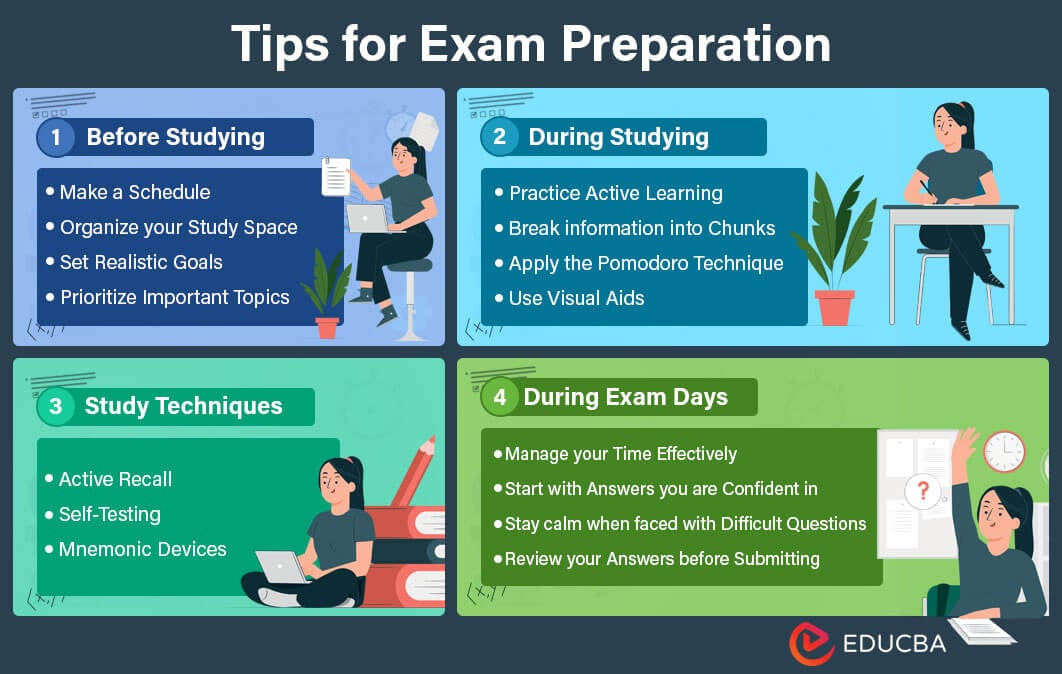
In conclusion, this comprehensive guide has explored various facets of effective time management during exam preparation. From meticulously planning study schedules to mastering time management techniques and fostering a positive mindset, the strategies Artikeld offer a practical roadmap for success. By prioritizing tasks, minimizing distractions, and managing stress, students can maximize their study efficiency and achieve optimal results.
Remember that consistent effort and a proactive approach are key to achieving your academic goals.