Embarking on the journey of mastering your day begins with understanding the profound impact a well-crafted daily schedule can have. This guide will illuminate the path to creating a structured yet flexible routine, transforming chaos into clarity and intention.
We will delve into the essential elements of establishing a functional daily timetable, exploring the common hurdles individuals face and the significant benefits of embracing organization for both productivity and personal well-being. By identifying your core priorities and aligning them with your overarching goals, you’ll gain the power to distinguish between the urgent and the truly important, laying the foundation for an effective daily flow.
Understanding the Core Need for a Daily Schedule

Many individuals embark on the journey of creating a daily schedule because they recognize a fundamental gap between their aspirations and their daily reality. This often stems from a feeling of being overwhelmed, a lack of progress on important goals, or a general sense of disorganization that detracts from their overall well-being. The desire for a structured approach arises from the intuitive understanding that time is a finite and precious resource, and its effective management is key to achieving desired outcomes and living a more fulfilling life.The pursuit of a functional daily timetable is driven by the inherent human need for order, control, and purpose.
Without a clear plan, days can easily become reactive, filled with distractions and urgent but less important tasks, leaving little room for intentional progress. This can lead to feelings of stress, burnout, and a pervasive sense that time is slipping away without meaningful accomplishment. Establishing a schedule is an act of taking proactive control over one’s life, aligning daily actions with long-term objectives.
Common Challenges in Daily Structuring
The path to creating an effective daily schedule is often paved with common obstacles that hinder consistent implementation and success. These challenges can range from internal struggles with motivation and focus to external factors that disrupt even the best-laid plans. Understanding these common pitfalls is the first step in devising strategies to overcome them and build a sustainable routine.
- Procrastination and Lack of Motivation: The tendency to delay important tasks, often due to their perceived difficulty or lack of immediate reward, is a significant hurdle. This can be exacerbated by a lack of clarity on the “why” behind the tasks.
- Over-scheduling and Unrealistic Expectations: Attempting to cram too many activities into a single day, or setting overly ambitious goals, often leads to frustration and the feeling of failure when these expectations cannot be met.
- External Interruptions and Unforeseen Events: The modern world is rife with distractions, from constant digital notifications to unexpected requests from colleagues or family. These can easily derail even the most carefully planned schedule.
- Difficulty Prioritizing: Distinguishing between urgent and important tasks can be challenging, leading individuals to focus on immediate demands rather than activities that contribute to long-term goals.
- Inflexibility: A schedule that is too rigid can be counterproductive. Life is dynamic, and the inability to adapt to changing circumstances can lead to the abandonment of the entire system.
- Lack of Self-Awareness: Not understanding one’s own energy levels, peak productivity times, or personal preferences can lead to creating a schedule that is fundamentally misaligned with individual needs.
Benefits of a Well-Organized Daily Routine
The advantages of implementing a consistent and effective daily schedule extend far beyond mere time management; they permeate various aspects of an individual’s life, fostering growth, well-being, and a greater sense of accomplishment. A structured day provides a framework that supports both personal and professional development.The impact of a well-organized daily routine is profound and multifaceted. It creates a predictable yet adaptable structure that allows for intentional living, reducing the cognitive load associated with constant decision-making about what to do next.
This, in turn, frees up mental energy for more important tasks and creative pursuits.
Enhanced Productivity and Efficiency
A core benefit of a daily schedule is the significant boost it provides to productivity and efficiency. By allocating specific time blocks for tasks, individuals can minimize context switching and maintain focus, leading to faster completion rates and higher quality output.When tasks are planned and prioritized, there is a clear roadmap for the day. This prevents the common scenario of “busy work” where time is spent on activities that do not contribute to meaningful progress.
For example, a marketing professional who schedules dedicated time for content creation, social media engagement, and client outreach will likely achieve more tangible results than someone who simply reacts to incoming emails and requests. This structured approach allows for deep work, a state of focused concentration that is essential for complex problem-solving and innovation.
Reduced Stress and Improved Mental Well-being
The psychological benefits of a well-structured day are substantial. Knowing what to expect and having a plan in place significantly reduces anxiety and feelings of being overwhelmed. This predictability fosters a sense of control, which is a critical component of good mental health.Consider the experience of a student preparing for exams. Without a schedule, the sheer volume of material can be daunting, leading to stress and procrastination.
However, by breaking down the study material into manageable daily chunks and allocating specific times for revision, the student can approach the task with a sense of order and confidence. This reduces the feeling of being adrift and allows for more focused and effective learning, ultimately leading to a calmer and more positive exam preparation period. This proactive approach prevents the build-up of pressure and contributes to a more balanced emotional state.
Greater Work-Life Balance
A daily schedule is instrumental in achieving a healthy work-life balance. It allows individuals to consciously allocate time for professional responsibilities, personal commitments, relaxation, and self-care. Without this intentional allocation, work often encroaches upon personal time, leading to burnout and dissatisfaction.For instance, a parent who schedules dedicated family time, exercise, and personal hobbies alongside their work tasks is more likely to feel fulfilled and less resentful.
This deliberate partitioning of time ensures that all important aspects of life receive adequate attention, preventing the feeling that one area is consistently being sacrificed for another. This conscious effort to integrate various life domains leads to a more holistic and sustainable sense of well-being.
Identifying Personal Priorities and Goals
To create a daily schedule that truly serves you, it’s essential to understand what truly matters. This involves a deliberate process of uncovering your core values, aspirations, and the specific objectives you aim to achieve. By clearly defining these, you can ensure your daily actions are not just busywork, but meaningful steps towards a fulfilling life and career.This section will guide you through methods for pinpointing your most important daily accomplishments and aligning your everyday tasks with your broader life ambitions.
We will also explore effective strategies for differentiating between activities that demand immediate attention and those that are genuinely important for your long-term success.
Methods for Pinpointing Daily Importance
Determining what is most crucial to accomplish each day requires introspection and a structured approach. It’s about moving beyond the reactive to the proactive, ensuring your energy is directed towards tasks that yield the greatest impact.Several effective methods can help you identify your daily priorities:
- The Eisenhower Matrix (Urgent/Important Matrix): This popular framework categorizes tasks based on their urgency and importance.
- Value-Based Prioritization: This method involves ranking tasks based on how closely they align with your core values and long-term goals.
- Impact Assessment: Consider the potential positive outcomes or the negative consequences of completing or not completing a task.
- Energy Level Alignment: Schedule demanding tasks during periods of your highest personal energy and focus, and less demanding tasks during lower energy periods.
Process for Aligning Daily Tasks with Larger Aspirations
Your daily schedule should not exist in a vacuum; it should be a direct reflection of your larger personal and professional dreams. This alignment ensures that every day contributes to the bigger picture, fostering a sense of purpose and progress.To achieve this alignment, consider the following process:
- Define Your Vision: Clearly articulate your long-term goals. What do you want to achieve in your career, personal life, health, and relationships in the next year, five years, or even longer?
- Break Down Goals into Milestones: Once your vision is clear, break down your large goals into smaller, actionable milestones. These milestones represent significant achievements that move you closer to your vision.
- Identify Key Result Areas (KRAs): For each milestone, identify the key areas or domains of your life that are critical for its achievement. For example, a KRA for career advancement might be skill development or networking.
- Translate Milestones into Daily Actions: For each KRA, brainstorm specific, measurable, achievable, relevant, and time-bound (SMART) tasks that can be performed daily or weekly. These are your daily tasks.
- Regular Review and Adjustment: Periodically (weekly or monthly), review your progress towards your milestones and vision. Adjust your daily tasks as needed based on your progress and any changes in your aspirations or circumstances.
Strategies for Distinguishing Between Urgent and Important Activities
A common pitfall in time management is mistaking urgency for importance. Urgent tasks demand immediate attention, often due to external pressures, while important tasks contribute significantly to your long-term goals and values. Effectively distinguishing between the two is crucial for productivity and avoiding burnout.Here are strategies to help you differentiate:
- Ask “Why”: For any given task, ask yourself “Why is this important?” If the answer leads you back to your core values or long-term goals, it’s likely important. If the answer is “because someone is asking for it now,” it might be urgent but not necessarily important.
- Consider the Consequences: What are the long-term consequences of not doing this task? If the consequences are significant for your goals or well-being, the task is likely important.
- The “If I don’t do this, what happens?” Test: This helps in identifying truly critical tasks versus those that can be delegated or postponed.
- Focus on Contribution, Not Just Completion: A task might be urgent, but does it contribute to your overall objectives? Prioritize tasks that move you forward, even if they aren’t shouting for attention.
“The key is not to prioritize what’s on your schedule, but to schedule your priorities.”
Stephen Covey
Structuring Time Blocks for Activities
With your priorities and goals clearly identified, the next crucial step is to translate them into a tangible daily structure. This involves thoughtfully dividing your day into manageable segments, allocating specific time to each activity, and ensuring your schedule remains adaptable. A well-structured day acts as a roadmap, guiding you towards your objectives and fostering a sense of control and productivity.This section will guide you through the process of effectively segmenting your day, assigning durations to tasks, and building in flexibility to accommodate the inevitable ebb and flow of daily life.
By mastering time blocking, you can transform your intentions into consistent action.
Dividing the Day into Manageable Time Segments
The foundation of effective time blocking lies in breaking down your day into distinct, actionable periods. This approach prevents overwhelm and allows for focused attention on specific tasks or categories of activities. Consider your natural energy levels and the types of tasks you need to accomplish when defining these segments.A common and effective method is to divide the day into broad categories such as:
- Morning Routine: Typically the first 1-2 hours, focusing on personal well-being, planning, and high-priority tasks.
- Deep Work Blocks: Dedicated periods of 1-3 hours for tasks requiring significant concentration and cognitive effort.
- Shallow Work/Admin Blocks: Shorter segments (30-60 minutes) for less demanding tasks like email, calls, or administrative duties.
- Breaks and Transition Times: Essential periods for rest, meals, and moving between activities, usually 15-30 minutes each.
- Personal/Family Time: Allocated time for relaxation, hobbies, exercise, and social connections.
- Evening Routine: The final hours of the day, focused on winding down, reflection, and preparation for the next day.
Allocating Specific Durations to Different Types of Tasks
Once your day is segmented, the art of time blocking involves assigning realistic durations to each activity within those segments. This requires an honest assessment of how long tasks actually take, rather than how long you wish they would take. Overestimating durations is often better than underestimating.Here are some techniques for effective duration allocation:
- Task Estimation: For recurring tasks, track the actual time spent over a week or two to establish an accurate baseline. For new tasks, break them down into smaller components and estimate time for each.
- Batching Similar Tasks: Group similar activities together to minimize context switching. For example, dedicate a specific “email block” rather than checking emails sporadically throughout the day.
- The Pomodoro Technique: This popular method involves working in focused bursts of 25 minutes, followed by a 5-minute break. After four “pomodoros,” take a longer break of 15-30 minutes. This is particularly effective for tasks that require sustained focus but can be broken into smaller chunks.
- Timeboxing: This technique involves assigning a fixed maximum amount of time to an activity. If the task is completed before the time is up, you move on. If not, you either stop or re-evaluate if it’s worth continuing.
Comparing Rigid versus Flexible Time Blocking Approaches
The effectiveness of time blocking can vary based on individual preferences and the nature of one’s work or life. Understanding the differences between rigid and flexible models allows you to choose or adapt an approach that best suits your needs.
Rigid Time Blocking
This model involves scheduling every minute of the day with very little room for deviation. It offers a high degree of structure and accountability.
- Pros: Maximizes productivity, minimizes procrastination, creates a clear sense of accomplishment, ideal for individuals who thrive on structure.
- Cons: Can feel overwhelming or restrictive, difficult to maintain consistently, may not accommodate unexpected events well, can lead to burnout if not managed carefully.
Flexible Time Blocking
This approach uses time blocks as guidelines rather than strict rules. It allows for more spontaneity and adaptation to changing circumstances.
- Pros: More forgiving of unexpected events, reduces stress and pressure, adaptable to different work styles, can be more sustainable long-term.
- Cons: Requires more self-discipline to stay on track, can be prone to over-scheduling or under-delivering if not managed effectively, may lead to less focused work if boundaries are too loose.
A hybrid approach, where core high-priority tasks are scheduled rigidly and other less critical activities are blocked more flexibly, often proves to be the most practical and sustainable for many individuals.
Incorporating Buffer Time for Unexpected Events or Transitions
One of the most critical, yet often overlooked, elements of a functional daily schedule is the inclusion of buffer time. Life is unpredictable, and attempting to schedule every moment without accounting for the unexpected is a recipe for frustration and schedule derailment. Buffer time acts as a shock absorber, allowing your schedule to absorb minor disruptions without collapsing entirely.Buffer time serves two primary purposes:
- Transition Buffer: These are short periods (5-15 minutes) scheduled between activities. They allow for mental shifting, tidying up after a task, preparing for the next, or simply taking a moment to breathe. For example, after a client call, a 10-minute buffer can be used to jot down notes and mentally prepare for the next task, rather than jumping straight into something else.
- Unscheduled Buffer: These are larger blocks of time (30-60 minutes or more) that are left intentionally open. They can be used to catch up on tasks that ran over, handle urgent interruptions, brainstorm new ideas, or simply take a longer, restorative break. Placing these buffers strategically, perhaps mid-morning and mid-afternoon, can be highly beneficial.
Consider this a proactive strategy rather than a reactive one. By building these cushions into your schedule from the outset, you create a more resilient and realistic plan that supports sustained productivity and reduces the stress associated with unexpected events.
Incorporating Essential Daily Components
A truly effective daily schedule goes beyond just allocating time for work or major tasks; it also thoughtfully integrates the fundamental elements that support well-being and sustained productivity. By consciously weaving in breaks, self-care, nourishment, and connection, you create a more balanced and resilient daily rhythm.This section will explore how to strategically embed these crucial components into your schedule, ensuring they are not afterthoughts but integral parts of your day.
This holistic approach fosters greater energy, focus, and overall life satisfaction.
Scheduling Breaks and Downtime
Regularly scheduled breaks are not a luxury but a necessity for maintaining cognitive function, preventing burnout, and enhancing creativity. These periods of rest allow your mind and body to recharge, leading to improved concentration and problem-solving abilities when you return to your tasks.
“Short, frequent breaks are more effective than infrequent, long ones for sustained attention.”
Methods for integrating breaks include:
- The Pomodoro Technique: Work in focused bursts (e.g., 25 minutes) followed by short breaks (e.g., 5 minutes). After several cycles, take a longer break.
- Scheduled “Unscheduled” Time: Block out short periods in your calendar for spontaneous relaxation, whether it’s a quick walk, listening to music, or simply gazing out the window.
- Transition Time: Build in a few minutes between different activities to mentally switch gears, stretch, or grab a drink, preventing abrupt shifts that can be draining.
- Mindful Moments: Dedicate specific times for brief mindfulness exercises, deep breathing, or meditation to reduce stress and enhance present-moment awareness.
Integrating Physical Activity and Self-Care
Physical activity and self-care practices are vital for maintaining energy levels, managing stress, and promoting overall health. Incorporating them into your daily schedule ensures they receive the attention they deserve, contributing to a more robust and fulfilling day.
“Self-care is not selfish; it is essential for sustaining your capacity to care for others and for yourself.”
Here are practical ways to integrate these components:
- Morning Movement: Start your day with light stretching, yoga, or a short walk to energize your body and mind.
- Active Transitions: Use breaks to walk around, do a few jumping jacks, or take the stairs instead of the elevator.
- Scheduled Exercise Blocks: If you have specific fitness goals, allocate dedicated time slots for workouts, treating them with the same importance as work appointments.
- Evening Wind-Down: Dedicate time before bed for relaxing activities such as reading, a warm bath, or journaling to prepare for restful sleep.
- Nutrient-Rich Meals: Plan your meals and snacks to ensure you have consistent energy throughout the day. This includes preparing healthy options in advance.
Allocating Time for Meals and Personal Hygiene
Adequate time for meals and personal hygiene is fundamental to physical health and mental clarity. Rushing these essential activities can lead to digestive issues, reduced energy, and a feeling of being constantly behind.
“Nourishment and cleanliness are the cornerstones of a healthy and productive life.”
Consider the following for effective allocation:
- Mindful Meal Times: Schedule specific times for breakfast, lunch, and dinner, ideally free from distractions like work emails or social media. This allows for proper digestion and appreciation of your food.
- Snack Breaks: If you experience energy dips between meals, plan for healthy snacks at designated times to maintain stable blood sugar levels.
- Morning Routine: Allocate sufficient time in the morning for personal hygiene activities like showering, brushing teeth, and grooming without feeling rushed.
- Evening Routine: Similarly, ensure your evening routine includes time for winding down and personal care before sleep.
Organizing Social Interactions and Family Time
Meaningful social connections and quality time with family are crucial for emotional well-being and a sense of belonging. Intentionally scheduling these interactions ensures they are prioritized amidst the demands of daily life.
“Connection is the most basic human need.”
Frameworks for including social and family time:
- Daily Check-ins: Even a brief phone call or text exchange with a loved one can foster connection.
- Shared Meals: Designate at least one meal per day, if possible, to be a shared experience with family members, encouraging conversation and bonding.
- Dedicated Family Time: Block out specific times for family activities, whether it’s a game night, a movie, or an outing, treating it as a non-negotiable appointment.
- Social Engagements: Schedule coffee dates, calls with friends, or participation in community events to nurture your social network.
- “Connection Buffer”: If your day is packed, consider adding a small buffer of time after work or before bed specifically for connecting with loved ones.
Tools and Techniques for Schedule Management
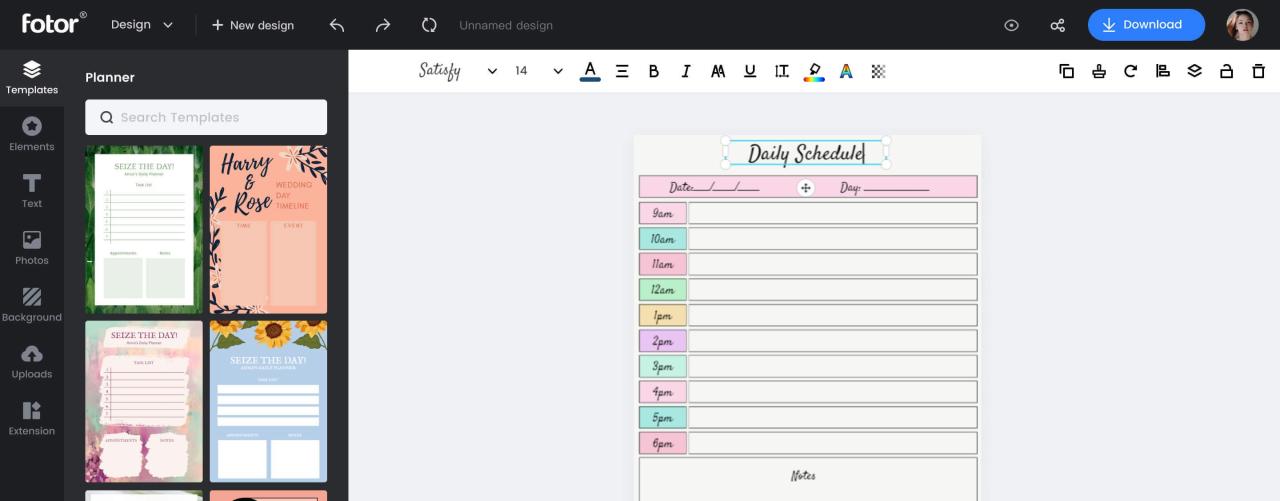
Once you have a clear understanding of your priorities and have begun structuring your time, the next crucial step is to equip yourself with the right tools and techniques to effectively manage your daily schedule. These resources will help you stay organized, track your progress, and adapt to the inevitable changes that life throws your way.Choosing the right tools can significantly enhance your ability to adhere to your schedule and maximize your productivity.
Whether you prefer the tactile experience of pen and paper or the convenience of digital applications, there are numerous options available to suit your individual needs and preferences.
Digital and Analog Tools for Daily Planning
A variety of tools can support your daily planning efforts, catering to different styles and technological inclinations. Digital tools offer accessibility and integration, while analog tools provide a more tangible and focused approach.Digital tools include:
- Calendar Applications: Platforms like Google Calendar, Outlook Calendar, and Apple Calendar allow for easy scheduling, synchronization across devices, and setting reminders.
- Task Management Apps: Applications such as Todoist, Asana, Trello, and Microsoft To Do help in breaking down tasks, setting deadlines, and tracking progress.
- Note-Taking Apps: Evernote, OneNote, and Notion can be used to jot down ideas, to-do lists, and important information related to your schedule.
Analog tools offer a more hands-on approach:
- Planners and Agendas: Physical books designed for daily, weekly, or monthly planning provide dedicated spaces for appointments, tasks, and notes.
- Journals: A simple notebook can be transformed into a powerful scheduling tool, allowing for freeform planning and reflection.
- Whiteboards or Corkboards: These can be used for a visual overview of your week or month, especially useful for team planning or family schedules.
Using Calendar Applications for Reminders and Appointments
Calendar applications are indispensable for managing appointments and ensuring you never miss a crucial event. Their ability to sync across devices and send notifications makes them a robust tool for staying on track.To effectively utilize calendar applications:
- Create Specific Events: For each appointment, meeting, or significant task, create a distinct event with a clear title.
- Set Accurate Times and Durations: Input the precise start and end times for each event to accurately reflect your time commitments.
- Utilize Reminder Features: Configure reminders for events, choosing a notification time that allows you ample preparation or travel time. Common options include 15 minutes, 1 hour, or even a day in advance.
- Color-Code Events: Assign different colors to various categories of events (e.g., work, personal, family, health) to quickly identify commitments at a glance.
- Set Recurring Events: For regular appointments or meetings, use the recurring feature to automatically add them to your calendar without manual re-entry.
- Integrate with Other Apps: Many calendar apps can integrate with task managers or email clients, allowing for a more cohesive workflow.
Advantages of Using a Planner or Journal for Daily Task Tracking
While digital tools offer convenience, physical planners and journals provide a unique set of benefits for managing daily tasks, fostering a deeper connection with your schedule.The advantages of using a planner or journal include:
- Enhanced Focus and Reduced Distractions: The act of writing tasks down can lead to better retention and less distraction compared to digital interfaces.
- Tangible Sense of Accomplishment: Physically crossing off completed tasks provides a satisfying visual confirmation of progress.
- Flexibility in Customization: You can design your planner or journal layout to perfectly match your workflow, creating sections for notes, reflections, or specific project details.
- Improved Memory Retention: The kinesthetic act of writing can strengthen memory, making it easier to recall tasks and commitments.
- Opportunity for Reflection: Journals, in particular, offer a space to reflect on what went well, what could be improved, and how your schedule aligns with your goals.
Creative Approaches to Visualizing a Daily Schedule
Visualizing your daily schedule can make it more intuitive and easier to manage. Different visual methods can cater to various learning styles and preferences, transforming a static list into a dynamic representation of your day.Consider these creative visualization techniques:
- Time Blocking with Color: Dedicate specific colors to different types of activities and block out sections of your day on a calendar or whiteboard accordingly. This provides an immediate visual overview of how your time is allocated.
- The Eisenhower Matrix: This tool helps prioritize tasks by categorizing them into four quadrants: Urgent & Important, Important but Not Urgent, Urgent but Not Important, and Not Urgent & Not Important. Visualizing these quadrants can guide your decision-making.
- Kanban Boards: For project-based work or complex daily tasks, a Kanban board (physical or digital like Trello) uses columns like “To Do,” “In Progress,” and “Done” to visually track task movement.
- Mind Maps for Task Breakdown: For larger tasks, a mind map can help break them down into smaller, manageable steps, visually representing the hierarchy and dependencies of sub-tasks.
- Themed Days: Assigning a theme to each day of the week (e.g., “Marketing Monday,” “Focus Friday”) can create a visual anchor for your week’s activities and help streamline planning.
Adapting and Refining Your Daily Schedule

Creating a daily schedule is not a static endeavor; it’s a dynamic process that requires ongoing attention and adjustment. Life is inherently unpredictable, and what works perfectly one week might need tweaking the next. Embracing this fluidity is key to maintaining a schedule that truly serves your needs and goals. This section will guide you through the essential steps of evaluating your current plan, making necessary modifications, and building in the flexibility needed to navigate unexpected events.The effectiveness of any schedule is best understood through regular review and honest self-assessment.
Without this crucial step, a schedule can quickly become outdated or inefficient, leading to frustration rather than productivity. By systematically analyzing how your current plan is performing, you lay the groundwork for meaningful improvements.
Reviewing and Assessing Schedule Effectiveness
To understand how well your daily schedule is functioning, a consistent review process is vital. This involves looking critically at your planned activities versus what actually occurred, and how you felt about the outcomes.
- Track Time Usage: For a week or two, meticulously record how you actually spend your time. This can be done using a simple notebook, a spreadsheet, or a time-tracking app. Compare this actual usage to your planned schedule to identify discrepancies.
- Evaluate Energy Levels: Note your energy and focus levels throughout the day. Are you scheduling demanding tasks during periods of low energy? Conversely, are you wasting peak energy on less critical activities?
- Measure Productivity and Goal Attainment: Assess whether you are completing your most important tasks and making progress towards your larger goals. A schedule that consistently prevents you from achieving key objectives needs significant revision.
- Identify Stress Points: Pinpoint any activities or time blocks that consistently cause stress, anxiety, or a feeling of being overwhelmed. These are clear indicators that the schedule needs adjustment.
- Seek Feedback (Internal and External): Reflect on your overall feelings about the day. Did you feel rushed, accomplished, or drained? If you work with others, consider any feedback you receive about your availability or responsiveness.
Designing a System for Schedule Adjustments
Once you’ve identified areas for improvement, establishing a systematic approach to making adjustments ensures that your schedule remains a useful tool. This prevents minor issues from snowballing into major disruptions.
Think of your schedule as a living document that evolves with your circumstances and understanding. A structured approach to making changes will help you adapt efficiently.
- Schedule Regular Review Sessions: Designate specific times, perhaps weekly or bi-weekly, to review your schedule. This could be a 30-minute slot at the end of your work week or during a quiet Sunday afternoon.
- Prioritize Adjustments: Not all identified issues require immediate overhauling. Focus on addressing the most significant pain points first.
- Implement Changes Incrementally: Avoid making too many drastic changes at once, as this can be disorienting. Introduce one or two key adjustments and observe their impact before implementing further modifications.
- Document Changes: Keep a record of the adjustments you make and the reasons behind them. This log can be invaluable for understanding your progress and preventing the recurrence of past scheduling mistakes.
- Test and Iterate: Treat each adjustment as an experiment. If a change doesn’t yield the desired results, don’t be discouraged. Analyze why it didn’t work and try a different approach.
Strategies for Handling Schedule Deviations
It’s a reality that not every day will go according to plan. Unexpected events, urgent requests, or simply a bad day can throw even the most meticulously crafted schedule off track. The key is not to let these deviations derail your entire system.
Resilience in scheduling comes from anticipating that disruptions will occur and having a plan for how to respond. This approach minimizes the negative impact of unforeseen circumstances.
- Build in Buffer Time: Intentionally add small pockets of unscheduled time throughout your day. These buffers can absorb minor delays or provide a moment to regroup.
- Identify Core Priorities for the Day: If a day goes significantly off-schedule, focus on completing your absolute top 1-3 most important tasks. These are the non-negotiables that must get done, regardless of other disruptions.
- Learn to Delegate or Defer: If an unexpected task arises that pulls you away from your planned activities, assess if it can be delegated to someone else or if it can be postponed to a later time.
- Re-evaluate and Reschedule: When a significant deviation occurs, take a moment to reassess what is still achievable for the remainder of the day and reschedule any missed critical tasks for the next available slot.
- Practice Self-Compassion: Recognize that some days are simply challenging. Don’t beat yourself up if you can’t stick to your schedule. Acknowledge the disruption, adapt as best you can, and aim to get back on track the following day.
Tips for Building Flexibility and Resilience
Flexibility and resilience are not just buzzwords; they are essential qualities that make a daily schedule sustainable and effective in the long term. By consciously incorporating these elements, you create a schedule that can bend without breaking.
A flexible and resilient schedule acknowledges the inherent unpredictability of life and prepares you to adapt gracefully to change.
- Embrace “Good Enough”: Strive for progress, not perfection. Sometimes, completing a task to a “good enough” standard is better than not completing it at all due to an insistence on absolute perfection.
- Time Blocking for Flexible Categories: Instead of rigidly assigning every minute, use broader time blocks for categories of work (e.g., “Deep Work,” “Admin Tasks,” “Communication”). This allows for more natural flow within those blocks.
- Have a “Catch-Up” Block: Schedule a dedicated block of time each week specifically for catching up on anything that fell behind or for addressing unexpected tasks that arose.
- Review Your Schedule at the Start of Each Day: Before diving into your tasks, take a few minutes to review your schedule for the day. This allows you to make minor, immediate adjustments based on any new information or energy levels.
- Regularly Revisit Your Goals: Periodically reconnecting with your overarching goals ensures that your daily schedule remains aligned with what truly matters. This perspective helps you prioritize and make more informed decisions about schedule adjustments.
Creating Realistic Expectations for Daily Flow

Establishing a daily schedule is a powerful tool for enhancing productivity and reducing stress. However, the effectiveness of any schedule hinges on our ability to set and maintain realistic expectations for its execution. This involves embracing a mindset that prioritizes progress over perfection and understanding that a truly functional schedule is one that can adapt to the natural ebb and flow of daily life.A key aspect of building a sustainable daily routine is to move away from an all-or-nothing approach.
Life is inherently unpredictable, and aiming for flawless adherence to a meticulously crafted schedule can lead to disappointment and a sense of failure when minor deviations occur. Instead, the focus should be on creating a framework that guides your day effectively while allowing for flexibility and self-compassion.
The Concept of “Good Enough” in Daily Execution
The principle of “good enough” is fundamental to managing expectations for your daily schedule. It signifies a shift from striving for absolute perfection to achieving satisfactory outcomes. This means recognizing that completing tasks to a high standard, even if not every single detail is flawlessly executed, is often sufficient to move forward productively. It’s about making consistent progress rather than getting bogged down in minor imperfections that might not significantly impact the overall result.For instance, if your goal is to write a report, “good enough” might mean completing the core sections and ensuring clarity and accuracy, even if you don’t spend hours perfecting the font choices or minor stylistic elements.
This approach frees up mental energy and time that can be reallocated to other important tasks or to simply resting.
Avoiding Over-Scheduling and Burnout
Over-scheduling is a common pitfall that can quickly derail even the best-intentioned daily plans. It occurs when individuals pack their schedules too tightly, leaving little to no room for unexpected interruptions, breaks, or simply the natural pace of completing tasks. This relentless pursuit of filling every moment can lead to a state of chronic stress and eventual burnout, diminishing overall productivity and well-being.To combat this, it is crucial to build buffer time into your schedule.
This involves intentionally leaving gaps between activities and allocating specific periods for unplanned events or spontaneous needs.Here are strategies to prevent over-scheduling:
- Underestimate task duration: It is often wise to estimate that tasks will take longer than you initially anticipate. This accounts for potential complexities or unforeseen issues that may arise.
- Prioritize ruthlessly: Not everything can or should be on your daily schedule. Focus on the most critical tasks and be willing to postpone or delegate less important ones.
- Schedule downtime: Regular breaks are not a luxury but a necessity. Incorporate short breaks throughout the day and a longer period for rest and rejuvenation.
- Build in flexibility: Design your schedule with inherent flexibility, allowing for adjustments without causing significant disruption.
Perfectionism Versus Adaptability in Schedule Adherence
The impact of perfectionism on daily schedule adherence is often detrimental. A perfectionist mindset can create an environment where any deviation from the plan is perceived as a failure, leading to anxiety and discouragement. This can result in either abandoning the schedule altogether or spending excessive time on minor details, ultimately hindering progress on more significant objectives.In contrast, an adaptable mindset embraces the reality that life is dynamic.
It allows for adjustments and modifications to the schedule as circumstances change, without inducing feelings of inadequacy. This flexibility fosters resilience and a more sustainable approach to time management.Consider the scenario of a planned workout session. A perfectionist might feel defeated if they miss it entirely due to an unexpected work call, potentially skipping their exercise for the day. An adaptable individual, however, might see this as an opportunity to reschedule their workout for later, or perhaps opt for a shorter, less intense session, ensuring some form of physical activity is still achieved.
Celebrating Small Successes in Maintaining a Daily Structure
Recognizing and celebrating small victories in maintaining your daily structure is vital for long-term motivation and adherence. These acknowledgments serve as positive reinforcement, reinforcing the benefits of your efforts and encouraging continued commitment. It’s important to remember that consistency, even in small doses, builds momentum.When you successfully complete a challenging task within its allocated time, stick to your scheduled breaks, or manage an unexpected interruption without derailing your entire day, take a moment to acknowledge this achievement.
This could be as simple as a mental note of accomplishment, a brief pause to appreciate your effort, or even a small reward, like enjoying a cup of tea or listening to a favorite song.For example, if you managed to resist the urge to check social media during a designated work block, that’s a win. If you completed your most important task before lunch, that’s a success.
These small wins, when consistently recognized, contribute to a more positive relationship with your schedule and a greater sense of control over your day.
Last Word
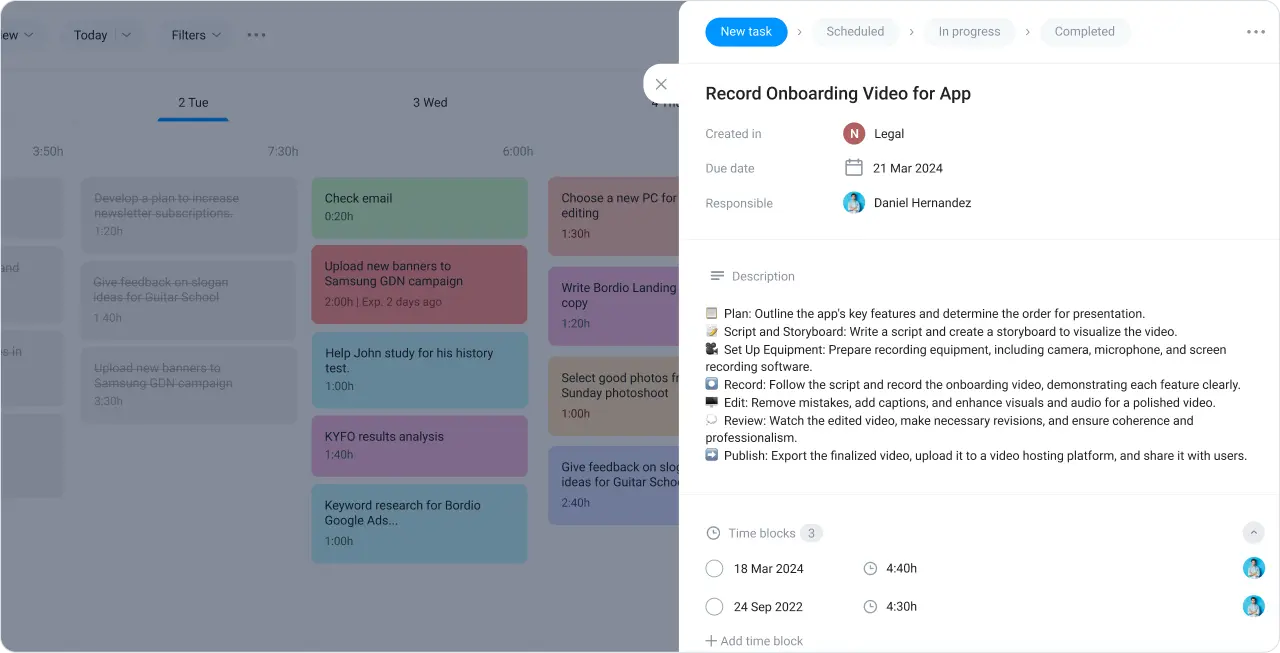
In essence, crafting a daily schedule that truly works is an ongoing, adaptive process. It’s about more than just listing tasks; it’s about cultivating a sustainable rhythm that supports your aspirations while embracing the realities of everyday life. By integrating thoughtful planning with mindful flexibility, you can unlock a more productive, balanced, and fulfilling existence.