Embarking on the entrepreneurial journey is often characterized by relentless demands and the constant feeling of never having enough hours in the day. This guide delves into the crucial art of how to manage time effectively as an entrepreneur, acknowledging the unique pressures and exhilarating pace that define this path. We will explore the fundamental principles, strategic planning, and practical tools that empower business owners to reclaim their schedules, boost productivity, and achieve sustainable growth.
Understanding the intricate balance between urgent tasks and long-term vision is paramount. This comprehensive exploration will equip you with actionable insights to navigate the complexities of entrepreneurial time management, from mastering prioritization techniques to leveraging technology and safeguarding your well-being against burnout. Prepare to transform your approach to time and unlock your full potential.
Understanding Entrepreneurial Time Demands
Embarking on the entrepreneurial journey is often romanticized for its freedom and potential, yet it is undeniably a path defined by immense time commitments and unique pressures. For new business owners, time is not just a resource; it’s the most critical and often the most scarce commodity. Effectively managing this precious resource is paramount to not only survival but also to sustainable growth and personal well-being.The entrepreneurial landscape presents a distinct set of challenges that demand a constant and significant investment of an individual’s time.
Unlike traditional employment where roles and responsibilities are often clearly delineated, entrepreneurs typically wear multiple hats, from product development and marketing to sales, customer service, and financial management. This inherent breadth of responsibility creates a perpetual sense of urgency and a need to be constantly engaged.
Unique Time Pressures Faced by Entrepreneurs
Entrepreneurs experience a unique form of time pressure stemming from the direct correlation between their effort and the success of their venture. The absence of a safety net and the personal financial stakes involved amplify the feeling that every moment counts. This pressure is further intensified by the competitive nature of many markets, where the speed of innovation and market response can be critical differentiators.
The need to stay ahead of competitors, adapt to market shifts, and seize emerging opportunities often means that work extends far beyond conventional business hours.
Common Time-Consuming Activities for New Business Owners
New business owners find their days filled with a wide array of tasks that consume significant portions of their time. These activities are essential for building a foundation and driving initial traction.Commonly, these activities include:
- Product/Service Development and Refinement: Continuously iterating on the core offering to meet customer needs and market demands.
- Marketing and Sales Outreach: Actively engaging with potential customers, building brand awareness, and closing deals. This can involve everything from digital marketing campaigns to networking events and direct sales efforts.
- Customer Support and Relationship Management: Addressing inquiries, resolving issues, and nurturing relationships to foster loyalty and positive word-of-mouth.
- Operations and Logistics: Managing day-to-day processes, supply chains, inventory, and administrative tasks.
- Financial Management: Budgeting, accounting, invoicing, and managing cash flow, which are critical for business viability.
- Team Building and Management: If a team is involved, this includes hiring, training, motivating, and managing employees.
- Strategic Planning and Research: Staying informed about industry trends, competitor activities, and planning for future growth.
Psychological Impact of Constant Time Scarcity
The perpetual feeling of not having enough time can take a significant toll on an entrepreneur’s psychological well-being. This constant scarcity can lead to increased stress, anxiety, and even burnout. The pressure to perform and the fear of failure can create a cycle of overwork, where individuals feel guilty for taking breaks or engaging in activities outside of their business.
This can impact decision-making, creativity, and overall job satisfaction.
“The entrepreneur is someone who jumps off a cliff and builds their wings on the way down.”
Reid Hoffman
This quote encapsulates the often chaotic and reactive nature of early-stage entrepreneurship, where time management is less about planning and more about agile adaptation under pressure.
Typical Daily and Weekly Time Commitments of an Entrepreneur
The demands on an entrepreneur’s time are substantial, often far exceeding a standard 40-hour workweek. While this can vary based on the stage of the business and industry, it is not uncommon for entrepreneurs to dedicate a significant portion of their lives to their venture.
Estimates suggest that entrepreneurs often work between 50 to 80 hours per week, with many reporting even higher commitments during critical growth phases or product launches.
A typical day might involve early morning strategic thinking, followed by back-to-back meetings, client calls, operational tasks, and evening work sessions to catch up on administrative duties or plan for the next day. Weekly commitments often include weekend work, especially for tasks requiring focused attention or when facing tight deadlines. This extensive commitment underscores the need for robust time management strategies to maintain productivity and prevent exhaustion.
Core Principles of Effective Time Management for Entrepreneurs
As an entrepreneur, your time is your most valuable asset, and mastering its management is crucial for navigating the complexities of building and scaling a business. Effective time management isn’t about working more hours; it’s about working smarter, focusing your energy on activities that yield the greatest impact. This section delves into the foundational principles that underpin successful entrepreneurial time management, empowering you to take control of your schedule and drive sustainable growth.These core principles are the bedrock upon which all other time management strategies are built.
By internalizing and consistently applying them, you can create a robust framework for productivity, ensuring that your daily efforts align with your long-term business objectives. Understanding and implementing these concepts will transform how you approach your workload, leading to increased efficiency, reduced stress, and ultimately, greater success.
Prioritizing Tasks for Business Growth
Prioritization is the art of determining which tasks deserve your immediate attention and resources, with a clear focus on their contribution to business growth. This involves a strategic evaluation of activities, distinguishing between those that are essential for expansion, innovation, and revenue generation, and those that are merely operational or administrative. Entrepreneurs who excel at prioritization can effectively allocate their limited time and energy to initiatives that will have the most significant impact on their company’s trajectory.Effective prioritization requires a deep understanding of your business goals and the key performance indicators (KPIs) that measure progress.
By regularly reviewing these objectives, you can assess the potential impact of each task. For instance, a task that directly contributes to acquiring new customers or improving customer retention should generally be prioritized over routine administrative duties.Here are key strategies for prioritizing tasks:
- Align with Business Goals: Constantly ask yourself if a task directly supports your overarching business objectives, such as increasing market share, launching a new product, or improving profitability.
- Impact Assessment: Evaluate the potential return on investment (ROI) of each task. Tasks with a higher potential impact, whether in terms of revenue, customer acquisition, or strategic advantage, should be given precedence.
- Customer-Centricity: Prioritize tasks that directly enhance the customer experience or address customer needs, as satisfied customers are the lifeblood of any growing business.
- Scalability Focus: Identify and prioritize tasks that contribute to the scalability of your business operations, allowing you to handle increased demand without a proportional increase in resources.
- Innovation and Development: Allocate time for activities that foster innovation, product development, and strategic planning, as these are critical for long-term competitive advantage.
Setting Realistic Goals and Deadlines
The ability to set realistic goals and deadlines is fundamental to maintaining momentum and avoiding burnout. Unrealistic expectations can lead to frustration, missed targets, and a sense of perpetual inadequacy. Conversely, achievable goals and well-defined timelines provide a clear roadmap, foster a sense of accomplishment, and build confidence, motivating you to tackle subsequent challenges.When setting goals, it’s beneficial to adopt a framework like SMART: Specific, Measurable, Achievable, Relevant, and Time-bound.
This ensures that your objectives are clearly defined and actionable. For deadlines, consider the scope of the task, available resources, and potential unforeseen obstacles. It’s often wise to build in a small buffer to accommodate unexpected delays.Consider the example of a startup aiming to launch a new app. A realistic goal might be to have a beta version ready for user testing within three months, with a full public launch six months later.
An unrealistic goal would be to expect a fully polished, market-ready product within one month, which is likely to lead to rushed development, compromised quality, and missed deadlines.
Distinguishing Between Urgent and Important Tasks
Understanding the difference between urgent and important tasks is a cornerstone of effective time management. Urgent tasks demand immediate attention, often due to external pressures or impending deadlines. Important tasks, on the other hand, contribute significantly to your long-term goals and objectives, even if they don’t have an immediate deadline. Mismanaging this distinction can lead to a constant state of reactivity, where you’re always putting out fires rather than proactively building your business.The Eisenhower Matrix, also known as the Urgent-Important Matrix, is a powerful tool for categorizing tasks based on these two dimensions.
It helps entrepreneurs to consciously decide where to allocate their time and energy, ensuring that important, non-urgent tasks receive the attention they deserve before they become urgent crises.The Eisenhower Matrix categorizes tasks into four quadrants:
- Quadrant 1: Urgent and Important (Do First): These are critical tasks that require immediate action, such as handling a major client issue, meeting a critical project deadline, or responding to an emergency.
- Quadrant 2: Important but Not Urgent (Schedule): These are tasks that contribute to your long-term goals and strategic objectives but do not have an immediate deadline. Examples include strategic planning, relationship building, professional development, and proactive problem-solving. This is where you should aim to spend most of your time.
- Quadrant 3: Urgent but Not Important (Delegate): These tasks demand immediate attention but do not contribute significantly to your goals. They are often distractions or interruptions, such as some emails, phone calls, or requests from others that can be handled by someone else.
- Quadrant 4: Not Urgent and Not Important (Eliminate): These are time-wasting activities that offer little to no value. Examples include excessive social media browsing, unnecessary meetings, and unproductive tasks.
“The key is not to prioritize what’s on your schedule, but to schedule your priorities.”Stephen Covey. This quote underscores the proactive nature of effective time management.
Time Blocking and Its Application in an Entrepreneurial Context
Time blocking is a time management technique where you divide your day into specific blocks of time, assigning each block to a particular task or activity. This structured approach helps to create a deliberate schedule, ensuring that dedicated time is allocated to high-priority activities and preventing less important tasks from encroaching on valuable work periods. For entrepreneurs, who often juggle multiple roles and responsibilities, time blocking provides a vital sense of order and control.Applying time blocking in an entrepreneurial context involves identifying the core functions of your business and then scheduling dedicated blocks for each.
This could include blocks for strategic planning, sales outreach, product development, marketing, customer service, and even personal time for rest and rejuvenation, which is crucial for sustained performance.Here’s how time blocking can be effectively applied:
- Identify Core Activities: Determine the essential tasks that drive your business forward.
- Estimate Time Requirements: Accurately assess how much time each type of activity typically requires.
- Schedule Dedicated Blocks: Allocate specific time slots in your calendar for each core activity. For example, dedicate two hours each morning to sales and lead generation, or a block each afternoon for content creation.
- Protect Your Blocks: Treat your scheduled blocks as appointments that cannot be easily moved or interrupted. Minimize distractions during these times.
- Be Flexible but Disciplined: While time blocking provides structure, it’s important to remain adaptable. If an urgent, important task arises, adjust your schedule accordingly, but aim to return to your planned blocks as soon as possible.
- Batch Similar Tasks: Group similar tasks together within a block to maximize efficiency and minimize context switching. For instance, handle all your email correspondence in one designated block.
For example, an entrepreneur might block out 9:00 AM to 11:00 AM for “Product Development,” 11:00 AM to 12:00 PM for “Client Calls,” and 2:00 PM to 4:00 PM for “Marketing and Content Creation.” This intentional allocation ensures that critical business functions receive consistent attention, fostering progress and preventing important tasks from being perpetually postponed.
Strategic Planning and Goal Setting
Effective entrepreneurs understand that time is their most valuable asset, and its efficient allocation hinges on a robust strategic plan. This involves not just knowing what needs to be done, but precisely defining
- why* and
- how* it will be accomplished, ensuring every action contributes to the overarching vision. Without clear objectives and a roadmap to achieve them, daily tasks can become reactive and disconnected from long-term success.
The foundation of strategic time management lies in the ability to set clear, actionable goals and then systematically break them down. This process transforms ambitious dreams into manageable steps, making progress tangible and motivating. It’s about creating a compass that guides your entrepreneurial journey, ensuring you’re always moving in the right direction, even amidst the inevitable challenges and opportunities.
Designing SMART Goals for Entrepreneurial Ventures
The SMART framework provides a structured approach to goal setting, ensuring that objectives are not only ambitious but also practical and achievable. Applying this methodology to entrepreneurial endeavors allows for focused effort and measurable progress, which is crucial for navigating the dynamic business landscape.A well-defined SMART goal acts as a critical benchmark for success. It clarifies expectations, facilitates resource allocation, and provides a basis for performance evaluation.
For entrepreneurs, this translates into a more efficient use of time and a higher likelihood of achieving desired business outcomes.Here’s how to design SMART goals:
- Specific: Clearly define what you want to achieve. Instead of “increase sales,” aim for “increase online sales of product X by 15%.”
- Measurable: Establish concrete metrics to track progress. For the sales goal, this would be the percentage increase in revenue from product X.
- Achievable: Set goals that are challenging but realistic, considering your current resources and market conditions.
- Relevant: Ensure the goal aligns with your overall business strategy and vision. An increase in sales of product X should contribute to your company’s growth objectives.
- Time-bound: Set a clear deadline for achieving the goal. For example, “increase online sales of product X by 15% within the next fiscal quarter.”
“A goal without a plan is just a wish.”
Antoine de Saint-Exupéry
Breaking Down Large Business Objectives into Actionable Steps
Ambitious business objectives can often feel overwhelming. The key to tackling them effectively is through a systematic process of decomposition, transforming grand visions into a series of smaller, manageable tasks. This approach not only makes objectives less daunting but also allows for clearer assignment of responsibilities, easier progress tracking, and more accurate time estimation.This breakdown process is fundamental to project management and operational efficiency within an entrepreneurial context.
It ensures that no critical aspect of a large objective is overlooked and that momentum is maintained as each smaller step is completed.The process typically involves the following stages:
- Identify Major Milestones: For a large objective, determine the key intermediate achievements that signify significant progress. For instance, launching a new product might have milestones like “product development complete,” “marketing campaign designed,” and “distribution channels secured.”
- Define Key Deliverables for Each Milestone: For each milestone, list the tangible outcomes or results that must be produced. For the “marketing campaign designed” milestone, deliverables could include “finalized ad copy,” “selected visual assets,” and “media buying plan.”
- List Specific Tasks for Each Deliverable: Further break down each deliverable into the individual, granular tasks required to complete it. For “finalized ad copy,” tasks might be “draft initial ad concepts,” “conduct A/B testing on headlines,” and “obtain legal approval.”
- Assign Resources and Timelines: For each task, determine who is responsible and estimate the time required. This step is crucial for scheduling and resource allocation.
- Establish Dependencies: Identify which tasks must be completed before others can begin. This helps in creating a logical workflow and preventing bottlenecks.
For example, if the objective is to “Achieve $1 million in annual recurring revenue (ARR) within three years,” the milestones might include:
- Year 1: Secure 100 paying customers and establish brand recognition.
- Year 2: Expand customer base to 500 and introduce two new service tiers.
- Year 3: Reach 1,500 customers and achieve $1 million ARR.
Each of these milestones would then be broken down into quarterly, monthly, and weekly tasks related to sales, marketing, product development, and customer support.
Aligning Daily Activities with Long-Term Entrepreneurial Vision
The disconnect between daily actions and long-term aspirations is a common pitfall for entrepreneurs. To avoid this, it’s essential to establish a clear line of sight, ensuring that every task undertaken contributes, directly or indirectly, to the overarching business vision. This alignment fosters purpose, enhances motivation, and maximizes the impact of time invested.This continuous connection between the present and the future is what differentiates busywork from productive progress.
It requires a conscious effort to regularly evaluate how current activities serve the larger objectives and to make adjustments as needed.Methods for ensuring this alignment include:
- Regular Vision Review: Dedicate time, perhaps weekly or monthly, to revisit your company’s mission, vision, and core values. This reinforces the ultimate direction and purpose.
- Objective Mapping: For every major objective, ensure you can articulate how the daily tasks associated with it contribute. If a task doesn’t clearly serve an objective, question its necessity or priority.
- Priority Setting Based on Impact: When prioritizing tasks, consider which ones will have the greatest impact on achieving your long-term goals. Use frameworks like the Eisenhower Matrix (Urgent/Important) but with a strong emphasis on the “Important” quadrant that drives long-term vision.
- Time Blocking for Strategic Tasks: Schedule dedicated blocks of time for activities that are crucial for long-term growth, such as strategic planning, market research, networking, and product innovation, rather than letting them be overshadowed by immediate operational demands.
- Performance Metrics Tied to Vision: Ensure that the key performance indicators (KPIs) you track on a daily or weekly basis are directly linked to the progress of your long-term objectives.
Consider a startup aiming to become the leading provider of sustainable packaging solutions. A daily task like “responding to customer inquiries” is important for customer satisfaction, but if it doesn’t directly advance research into new biodegradable materials or outreach to potential B2B clients, its alignment with the long-term vision needs to be re-evaluated or supplemented with more strategic activities.
Yearly Planning Calendar Template for Entrepreneurs
A well-structured yearly planning calendar serves as a high-level roadmap, guiding an entrepreneur’s focus and resource allocation throughout the year. It allows for foresight, enabling proactive adjustments rather than reactive firefighting. This template provides a framework to visualize key objectives, milestones, and strategic initiatives across the four quarters.By mapping out the year in advance, entrepreneurs can better anticipate potential challenges, identify opportunities for growth, and ensure that their time is spent on activities that drive meaningful progress.
It fosters a sense of control and direction, crucial for sustained entrepreneurial success.Here is a template for a yearly planning calendar:
| Quarter | Key Objectives | Major Milestones | Strategic Initiatives | Key Performance Indicators (KPIs) | Notes/Considerations |
|---|---|---|---|---|---|
| Q1 (January – March) | [e.g., Launch new product feature, Increase market share by 5%] | [e.g., Feature beta testing complete, First 50 enterprise clients secured] | [e.g., Implement targeted digital marketing campaign, Attend industry conference] | [e.g., Website traffic growth, Lead conversion rate, Customer acquisition cost] | [e.g., Seasonal demand considerations, Budget allocation for Q1 initiatives] |
| Q2 (April – June) | [e.g., Expand sales team, Achieve profitability] | [e.g., New hires onboarded and trained, Break-even point reached] | [e.g., Develop partner referral program, Optimize customer onboarding process] | [e.g., Sales team productivity, Gross profit margin, Customer retention rate] | [e.g., Potential for new competitor entry, Summer marketing opportunities] |
| Q3 (July – September) | [e.g., Enhance customer support, Explore international markets] | [e.g., Implement new CRM system, Conduct initial market research for Region X] | [e.g., Develop customer success playbooks, Establish communication channels with potential international partners] | [e.g., Customer satisfaction scores, Average resolution time, Market research report completion] | [e.g., Mid-year review of progress, Adjustments based on Q1/Q2 performance] |
| Q4 (October – December) | [e.g., Prepare for year-end sales push, Plan for next fiscal year] | [e.g., Holiday promotion campaign launched, Draft of next year’s strategic plan completed] | [e.g., Execute year-end sales strategy, Conduct comprehensive annual performance review] | [e.g., Revenue growth, Year-over-year profit increase, Completion of annual plan] | [e.g., Holiday season impact, Team performance reviews, Budgeting for the upcoming year] |
This template should be treated as a living document, reviewed and updated regularly as business conditions evolve and new insights emerge.
Prioritization Techniques and Tools
As an entrepreneur, your plate is perpetually full, and the ability to discern what truly matters is paramount. Effective time management hinges on mastering the art of prioritization, ensuring your energy and resources are directed towards activities that yield the greatest impact. This section delves into proven techniques and tools that empower you to make strategic decisions about where to focus your efforts.Successfully navigating the entrepreneurial landscape requires a systematic approach to task management.
Without clear priorities, it’s easy to get bogged down in busywork, neglecting the initiatives that drive growth and innovation. By implementing robust prioritization methods, you can gain control over your workload, reduce stress, and significantly enhance your productivity.
Eisenhower Matrix vs. Pareto Principle
Both the Eisenhower Matrix and the Pareto Principle offer valuable frameworks for prioritizing tasks, but they approach the problem from different angles. Understanding their distinctions allows for a more nuanced and effective application in managing entrepreneurial workloads.The Eisenhower Matrix, also known as the Urgent-Important Matrix, categorizes tasks based on their urgency and importance. This helps entrepreneurs decide which tasks to do, delegate, defer, or delete.
- Urgent and Important: These are critical tasks that require immediate attention. Examples include a client crisis, a pressing deadline for a key project, or an unexpected financial issue. These should be done immediately.
- Important but Not Urgent: These tasks contribute to long-term goals and strategic objectives but do not have an immediate deadline. Examples include strategic planning, relationship building, professional development, and preventative maintenance. These should be scheduled.
- Urgent but Not Important: These tasks demand immediate attention but do not contribute significantly to your goals. They are often distractions or tasks that can be delegated. Examples include some emails, interruptions, and certain meetings. These should be delegated if possible.
- Not Urgent and Not Important: These tasks are time-wasters and should be eliminated. Examples include excessive social media browsing, unnecessary meetings, and low-value administrative tasks. These should be deleted.
The Pareto Principle, often referred to as the 80/20 rule, suggests that roughly 80% of effects come from 20% of causes. In the context of entrepreneurship, this means that a small percentage of your activities will likely generate the majority of your results.
“Focus on the vital few, not the trivial many.”
This principle encourages entrepreneurs to identify the 20% of tasks that will yield 80% of their desired outcomes and concentrate their efforts there. This might involve identifying your most profitable products, your most effective marketing channels, or your most impactful customer segments. By applying the Pareto Principle, you can optimize your time by focusing on high-leverage activities.While the Eisenhower Matrix provides a structured system for categorizing tasks based on immediate demands and long-term significance, the Pareto Principle offers a more outcome-oriented approach, guiding you to identify the most impactful activities.
Often, the most effective strategy involves using both: first, identify the high-impact 20% of tasks using the Pareto Principle, and then, within that subset, use the Eisenhower Matrix to further prioritize and manage them.
Kanban Board for Workflow Visualization
A Kanban board is a visual project management tool that helps teams and individuals visualize their workflow, limit work in progress, and maximize efficiency. For entrepreneurs, it offers a clear overview of ongoing projects, tasks, and their current status, fostering better organization and productivity.The fundamental structure of a Kanban board consists of columns representing different stages of a workflow. Tasks, represented by cards, move from left to right as they progress through these stages.
A typical setup might include columns such as:
- To Do: This column lists all tasks that need to be accomplished.
- In Progress: This column contains tasks that are currently being worked on.
- Done: This column showcases completed tasks.
More sophisticated boards can include additional stages like “Backlog,” “Testing,” “Review,” or “Blocked,” depending on the complexity of the workflow.The benefits of using a Kanban board for entrepreneurs are numerous:
- Enhanced Visibility: It provides a clear, at-a-glance view of all ongoing projects and tasks, making it easy to identify bottlenecks and potential delays.
- Improved Workflow: By visualizing the process, it helps in identifying inefficiencies and optimizing the flow of work.
- Limited Work in Progress (WIP): Many Kanban systems implement WIP limits for each column, preventing team members (or yourself) from taking on too many tasks simultaneously, thus reducing context switching and improving focus.
- Better Collaboration: For entrepreneurial teams, a shared Kanban board ensures everyone is on the same page regarding task status and responsibilities.
- Flexibility: Kanban is highly adaptable and can be used for managing personal to-do lists, team projects, product development pipelines, or even sales funnels.
For example, a solo entrepreneur launching a new product might use a Kanban board with columns like “Idea Generation,” “Market Research,” “Product Development,” “Marketing & Sales,” and “Launch.” Each task, such as “Write website copy” or “Design product packaging,” would be a card that moves through these stages, providing a clear roadmap of progress.
Leveraging To-Do Lists Effectively
To-do lists are a foundational tool for task management, but their effectiveness is often determined by how they are structured and utilized. Simply jotting down tasks without a clear system can lead to overwhelm and a feeling of constant unfinished business. Strategic use of to-do lists can transform them into powerful productivity boosters.To maximize the impact of your to-do lists, consider the following strategies:
- Break Down Large Tasks: Overwhelming tasks can be demotivating. Deconstruct them into smaller, actionable sub-tasks. For instance, instead of “Launch new marketing campaign,” break it down into “Define target audience,” “Create ad copy,” “Set up ad accounts,” “Monitor campaign performance.”
- Assign Due Dates and Times: Giving tasks a specific deadline creates a sense of urgency and helps in planning your day or week more effectively.
- Categorize and Tag: Grouping similar tasks or tagging them with project names, priority levels, or required resources can help in efficient batching and focused work sessions. For example, you might tag tasks as “Client Work,” “Admin,” “Marketing,” or “Urgent.”
- Review and Reprioritize Regularly: Your to-do list is a dynamic document. At the end of each day or the beginning of the next, review your list, check off completed items, and re-evaluate priorities based on new information or changing circumstances.
- Keep it Manageable: Avoid creating an impossibly long list. Focus on a realistic number of high-priority tasks for the day or week. If a list becomes too long, it can be discouraging.
For an entrepreneur, a well-maintained to-do list can serve as a daily roadmap, ensuring that critical business objectives are consistently addressed. For instance, a founder might start their day by reviewing their list and identifying the top 3 most important tasks that will move the business forward, ensuring these are tackled with full focus.
Benefits of Timeboxing
Timeboxing is a time management technique where you allocate a fixed, maximum unit of time to an activity, and then timebox that activity for its duration. It is a powerful method for enhancing focus, productivity, and ensuring that important tasks receive dedicated attention without consuming excessive time.The core benefits of employing timeboxing as an entrepreneur include:
- Enhanced Focus and Concentration: By setting a specific time limit, you create a sense of urgency and encourage yourself to concentrate on the task at hand, minimizing distractions. This is particularly beneficial for tasks that are prone to procrastination.
- Improved Productivity: Knowing that you have a limited window to complete a task can motivate you to work more efficiently and avoid unnecessary perfectionism. It helps in achieving a “good enough” outcome within the allotted time.
- Better Task Management: Timeboxing helps in breaking down large projects into smaller, manageable chunks, making them less daunting. It also ensures that less urgent but important tasks are allocated dedicated time slots, preventing them from being perpetually postponed.
- Reduced Overwhelm: Instead of looking at a massive to-do list, you focus on completing specific tasks within their allocated time blocks, which can reduce feelings of being overwhelmed.
- Increased Awareness of Time Usage: Regularly timeboxing helps you understand how long certain tasks actually take, leading to more realistic future planning and scheduling.
A practical example for an entrepreneur would be to timebox a specific task like “Respond to emails” for 30 minutes each morning and afternoon. During that 30-minute block, you commit to only checking and responding to emails, avoiding other distractions. Similarly, you could timebox a “Deep work session” for strategic planning for 90 minutes, dedicating that entire period to focused thinking and writing without interruptions.
This structured approach ensures that essential activities are consistently addressed and completed efficiently.
Delegation and Outsourcing Strategies

As an entrepreneur, your time is your most valuable asset. While it’s tempting to wear every hat yourself, effective delegation and outsourcing are critical for scaling your business and maintaining your sanity. This section will explore how to strategically leverage others to free up your time for higher-impact activities.Delegation involves entrusting tasks to members of your team, while outsourcing means hiring external individuals or companies to perform specific functions.
Both approaches, when executed correctly, can significantly enhance productivity, reduce operational costs, and allow you to focus on strategic growth, innovation, and core competencies. However, they also come with their own set of challenges that require careful consideration and planning.
Benefits and Challenges of Delegation for Entrepreneurs
Delegation empowers your team, fosters skill development, and allows you to concentrate on vision and strategy. It can lead to increased efficiency and innovation as others bring fresh perspectives. However, challenges can arise from a fear of losing control, potential miscommunication, or the initial investment in training and oversight.The benefits of effective delegation are numerous:
- Increased Productivity: By distributing workload, you can accomplish more in less time.
- Employee Development: Assigning challenging tasks helps team members grow their skills and confidence.
- Focus on Core Competencies: Frees up your time to concentrate on strategic planning, business development, and high-level decision-making.
- Improved Morale: Employees feel valued and trusted when given responsibility, boosting job satisfaction.
- Scalability: As your business grows, delegation is essential for managing increased demand without burnout.
Conversely, entrepreneurs may face several challenges:
- Fear of Losing Control: Reluctance to let go of tasks, fearing they won’t be done to the required standard.
- Time Investment: The initial time spent training and explaining tasks can feel counterproductive.
- Potential for Errors: If not communicated clearly, delegated tasks may be performed incorrectly, requiring rework.
- Lack of Trust: Difficulty in trusting team members with critical responsibilities.
- Resistance from Employees: Some team members may feel overwhelmed or lack the necessary skills for delegated tasks.
Identifying Tasks Suitable for Delegation
Not all tasks are created equal when it comes to delegation. The key is to identify those that, while important, do not require your unique entrepreneurial vision or strategic oversight. This process involves a systematic evaluation of your daily and weekly activities.A step-by-step approach to identifying delegable tasks includes:
- Task Audit: For a week, meticulously record every task you perform, categorizing them by type (e.g., administrative, operational, creative, strategic).
- Time Tracking: Note the amount of time spent on each task. Tasks consuming significant but non-strategic time are prime candidates for delegation.
- Skill Assessment: Determine which tasks can be performed effectively by other members of your team or by external specialists.
- Impact Analysis: Evaluate the strategic importance of each task. Tasks that are repetitive, time-consuming, or can be standardized are generally good candidates.
- Risk Assessment: Consider the potential risks associated with delegating each task. Tasks with low risk and high potential for time savings are ideal.
Tasks that are typically good for delegation include:
- Administrative duties (scheduling, email management, data entry)
- Customer service inquiries
- Social media management
- Content creation (drafting blog posts, social media updates)
- Bookkeeping and invoicing
- Research and data gathering
- Basic graphic design or video editing
Criteria for Selecting Reliable Freelancers or Virtual Assistants
When internal delegation isn’t feasible, outsourcing to freelancers or virtual assistants (VAs) becomes a powerful strategy. Selecting the right individuals is paramount to ensure quality, reliability, and a positive return on investment. A thorough vetting process is essential.Key criteria for selecting reliable external support include:
- Relevant Experience and Portfolio: Review their past work to ensure it aligns with your needs and demonstrates a high level of skill.
- References and Testimonials: Seek out feedback from previous clients to gauge their reliability, communication, and quality of work.
- Communication Skills: Clear, prompt, and professional communication is vital, especially for remote collaboration. Assess their responsiveness and clarity in initial interactions.
- Professionalism and Reliability: Look for individuals who are punctual, meet deadlines, and exhibit a professional demeanor.
- Understanding of Your Business Needs: While they don’t need to be experts in your industry, they should demonstrate an ability to quickly grasp your requirements and objectives.
- Pricing and Value: Compare rates, but prioritize value over the lowest cost. Ensure their pricing structure is transparent and fits your budget.
- Technical Proficiency: Confirm they have the necessary tools and software to perform the tasks effectively.
For instance, when hiring a VA for customer support, you might look for someone with experience in your CRM system, excellent written communication skills, and a proven track record of resolving customer issues efficiently, as evidenced by positive client testimonials.
Checklist for Effective Task Handover and Communication
Successful delegation and outsourcing hinge on clear and comprehensive task handover. This process minimizes misunderstandings, ensures tasks are completed as intended, and builds trust between you and the person taking on the responsibility. A structured approach prevents common pitfalls.A comprehensive checklist for effective task handover and communication includes:
- Define the Task Clearly: State the objective, desired outcome, and specific deliverables.
- Provide Context: Explain why the task is important and how it fits into the larger business goals.
- Artikel Specific Steps: Detail the process, breaking down complex tasks into manageable steps.
- Set Clear Deadlines: Establish realistic start and end dates, and any interim milestones.
- Specify Quality Standards: Define what constitutes acceptable quality and provide examples if possible.
- Identify Required Resources: List any tools, software, templates, or information the assignee will need.
- Designate a Point of Contact: Clearly state who to go to with questions or for clarification.
- Establish Communication Cadence: Agree on how and when updates will be provided (e.g., daily check-ins, weekly reports).
- Provide Feedback Mechanism: Artikel how feedback will be given and received for continuous improvement.
- Confirm Understanding: Ask the assignee to reiterate the task and expectations to ensure comprehension.
For example, if you are delegating the creation of a monthly financial report to an accountant, the handover checklist would include: the specific reporting period, the exact data sources to be used, the desired format of the report (e.g., PDF, Excel), key performance indicators to highlight, and the deadline for submission, along with the preferred method for delivering the final report.
Minimizing Distractions and Maximizing Focus
As an entrepreneur, your time is a precious commodity, and distractions can be the silent saboteurs of productivity. Effectively managing these interruptions is crucial for maintaining momentum, fostering deep work, and ultimately achieving your business goals. This section delves into identifying and mitigating these common pitfalls, empowering you to reclaim your focus and optimize your working hours.Understanding and actively combating distractions is not merely about increasing output; it’s about cultivating an environment where innovation and strategic thinking can flourish.
By implementing targeted strategies, you can transform your workspace and daily habits into a haven for concentration.
Common Entrepreneurial Distractions
Entrepreneurs face a unique blend of internal and external factors that can derail their focus. Recognizing these common culprits is the first step toward neutralizing their impact.Digital distractions are pervasive in today’s connected world. Constant notifications from emails, social media, instant messaging apps, and news alerts create a fragmented attention span. The allure of “just checking” a notification can lead to significant time lost and a struggle to regain deep concentration.
Similarly, the vastness of the internet itself, with its endless rabbit holes of information, can easily pull an entrepreneur away from their intended tasks.Environmental distractions are equally significant. A cluttered workspace can contribute to a cluttered mind, making it difficult to organize thoughts and tasks. Noisy environments, whether from office chatter, construction, or household activities, can disrupt concentration. Unexpected visitors or unscheduled interruptions from colleagues or family members can break the flow of work and require mental energy to re-engage.
Creating a Distraction-Free Workspace
The physical environment in which you work plays a pivotal role in your ability to concentrate. Designing a workspace that minimizes external stimuli is a strategic move towards enhanced productivity.To establish a distraction-free zone, consider the following:
- Declutter Regularly: Implement a system for organizing your physical workspace. This includes filing papers, managing cables, and ensuring only essential items are within reach. A tidy desk promotes a tidy mind.
- Control Your Digital Environment: Turn off non-essential notifications on your computer and smartphone. Utilize website blockers or focus apps that limit access to distracting sites during work hours.
- Optimize for Quiet: If possible, choose a workspace away from high-traffic areas. Invest in noise-canceling headphones to create a personal sanctuary of quiet, even in a busy environment.
- Set Boundaries: Communicate your working hours and periods of deep focus to those you live or work with. A clear “do not disturb” sign can be surprisingly effective.
Managing Interruptions from Team Members and Stakeholders
While collaboration is essential, constant interruptions can be a significant drain on an entrepreneur’s time and focus. Developing effective strategies to manage these interactions is key to maintaining productivity without alienating your team or stakeholders.Effective management of interruptions involves a proactive approach:
- Schedule Dedicated Communication Times: Instead of allowing ad-hoc interruptions, designate specific times for team check-ins, answering emails, and responding to messages. This encourages team members to batch their questions and requests.
- Utilize Asynchronous Communication: For non-urgent matters, encourage the use of email or project management tools where responses are not immediately required. This allows you to address queries at a more opportune moment.
- Implement a “Stoplight” System: A simple visual cue can be highly effective. For example, a red light on your monitor or door signifies “do not disturb,” yellow means “briefly interrupt if urgent,” and green means “available for discussion.”
- Train Your Team on Urgency: Educate your team on what constitutes a true emergency versus a question that can wait. This helps filter out less critical interruptions.
- Empower Your Team: Encourage your team to solve problems independently where possible, fostering their autonomy and reducing their reliance on your immediate input for every issue.
Designing a Daily Routine for Deep Work
A structured daily routine is fundamental for cultivating consistent focus and enabling “deep work”—periods of uninterrupted concentration that lead to high-quality output.To build a routine that supports deep work:
- Identify Your Peak Productivity Hours: Recognize when you have the most energy and mental clarity. Schedule your most demanding and cognitively intensive tasks during these times.
- Time Block Your Day: Allocate specific blocks of time for different types of activities, including deep work, meetings, email processing, and breaks. Treat these blocks as appointments you cannot miss.
- Implement a “Shutdown Ritual”: At the end of your workday, take a few minutes to review what you accomplished, plan for the next day, and clear your workspace. This mental transition helps you detach from work and prevent work from creeping into personal time.
- Incorporate Regular Breaks: Short, strategic breaks can actually enhance focus. Stepping away from your work for 5-10 minutes every hour or so can prevent burnout and refresh your mind. Consider the Pomodoro Technique, which involves working in focused bursts (e.g., 25 minutes) followed by short breaks.
- Minimize Context Switching: Group similar tasks together. For instance, handle all your email correspondence in one or two dedicated blocks rather than checking it sporadically throughout the day.
By consciously designing your day around periods of focused work and minimizing the impact of distractions, you can significantly enhance your effectiveness as an entrepreneur.
Leveraging Technology for Time Efficiency
In today’s fast-paced entrepreneurial landscape, technology is not just a tool; it’s a critical enabler of efficiency. Smart utilization of digital resources can significantly reduce the time spent on administrative tasks, streamline workflows, and enhance overall productivity, allowing entrepreneurs to focus on strategic growth and innovation.Embracing the right technological solutions can transform how entrepreneurs manage their daily operations. From organizing schedules to managing complex projects and automating repetitive tasks, technology offers a powerful arsenal for reclaiming valuable time.
Essential Productivity Apps and Software for Entrepreneurs
The market is flooded with applications designed to boost productivity. Selecting the right ones can create a synergistic effect, making your workflow smoother and more effective. These tools often integrate with each other, further enhancing their utility.Here is a curated list of essential productivity apps and software categories that entrepreneurs should consider:
- Task Management: Tools like Asana, Trello, and Todoist help in creating, assigning, and tracking tasks, ensuring nothing falls through the cracks.
- Note-Taking and Knowledge Management: Evernote, Notion, and OneNote are invaluable for capturing ideas, organizing information, and creating a central knowledge base.
- Communication and Collaboration: Slack, Microsoft Teams, and Google Workspace facilitate seamless communication and document sharing among team members and stakeholders.
- Password Management: LastPass and 1Password secure and manage login credentials, saving time and enhancing security.
- Cloud Storage: Google Drive, Dropbox, and OneDrive provide accessible and secure storage for all business documents and files.
- Time Tracking: Toggl Track and Clockify help in monitoring time spent on various activities, aiding in better estimation and resource allocation.
Calendar Management Tools for Optimized Scheduling
Effective calendar management is fundamental to an entrepreneur’s ability to control their day and ensure that critical appointments and tasks are met. Modern calendar tools offer more than just basic scheduling; they provide insights and automation to prevent conflicts and maximize utilization of time.Calendar management tools allow for the creation of detailed schedules, blocking out time for specific activities, and setting reminders.
Many integrate with other productivity apps, automatically adding events from email or project management software. Features like recurring appointments, buffer times between meetings, and shared calendars for teams further enhance efficiency.
“A well-managed calendar is a roadmap to productivity.”
Project Management Software for Collaborative Efforts
For entrepreneurs leading teams or managing multiple projects, project management software is indispensable. These platforms centralize all project-related information, tasks, deadlines, and communication, providing a clear overview of progress and facilitating seamless collaboration.Project management software offers advantages such as:
- Centralized Task Tracking: All tasks, their assignees, and deadlines are visible in one place, preventing miscommunication and delays.
- Progress Monitoring: Visual dashboards and reporting features allow for quick assessment of project status and identification of bottlenecks.
- Resource Allocation: Tools can help in assigning resources effectively and ensuring that workloads are balanced.
- Enhanced Communication: Integrated communication features, such as comments and discussion threads on tasks, keep conversations contextualized.
- Document Sharing: Centralized storage for project-related files ensures everyone is working with the latest versions.
Popular examples include Asana, Monday.com, and Jira, each offering unique features tailored to different project complexities and team sizes.
Automation for Significant Time Savings
Automation is perhaps the most powerful lever for entrepreneurs looking to save significant amounts of time. By automating repetitive, manual tasks, entrepreneurs can free up their cognitive load and dedicate more energy to strategic thinking and high-value activities.Automation can be applied across various business functions:
- Marketing Automation: Tools like HubSpot and Mailchimp can automate email campaigns, social media posting, and lead nurturing, saving countless hours on repetitive outreach.
- Customer Service Automation: Chatbots and automated response systems can handle common customer inquiries, providing instant support and freeing up human agents for complex issues.
- Administrative Tasks: Software can automate invoicing, expense tracking, appointment scheduling, and data entry, reducing manual effort and potential errors.
- Workflow Automation: Platforms like Zapier and IFTTT can connect different applications, allowing them to perform actions automatically based on predefined triggers. For instance, a new customer sign-up in one app could automatically trigger a welcome email and add them to a CRM.
The strategic implementation of automation allows entrepreneurs to operate more efficiently, scale their operations without proportionally increasing manual labor, and gain a competitive edge by being more responsive and agile.
Energy Management and Preventing Burnout
As an entrepreneur, your greatest asset is your own well-being. Effectively managing your energy, rather than just your time, is crucial for sustained productivity and preventing the debilitating effects of burnout. This section delves into how to optimize your physical and mental energy to ensure you can perform at your peak consistently.The intricate connection between your physical and mental energy levels and your overall productivity cannot be overstated.
When your energy is low, your ability to focus, make sound decisions, and tackle complex tasks diminishes significantly. Conversely, high energy levels translate into enhanced creativity, resilience, and a greater capacity to handle the inherent pressures of entrepreneurship. Recognizing and actively managing these energy fluctuations is as vital as any time-management technique.
Physical and Mental Energy Levels and Productivity
Your physical state directly influences your mental acuity and stamina. Adequate sleep, proper nutrition, and regular physical activity are not luxuries; they are foundational pillars of entrepreneurial success. When your body is well-nourished and rested, your brain functions more efficiently, leading to better problem-solving skills, improved memory recall, and a more positive outlook. Ignoring these basic needs can lead to cognitive fog, increased irritability, and a general decline in performance, making even simple tasks feel insurmountable.
Incorporating Regular Breaks and Rest
Strategic breaks are not a sign of slacking off but a powerful tool for replenishing your mental and physical resources. Short, frequent breaks throughout the day can prevent mental fatigue and maintain a high level of concentration. Longer periods of rest, such as dedicated lunch breaks or brief walks, allow for a more profound recovery.Here are strategies for integrating effective rest into your entrepreneurial routine:
- The Pomodoro Technique: Work in focused bursts of 25 minutes, followed by a 5-minute break. After four cycles, take a longer break of 15-30 minutes. This structured approach helps maintain focus and prevents prolonged mental strain.
- Scheduled Movement Breaks: Integrate short periods of physical activity, such as stretching, walking, or a quick workout, into your day. This can boost circulation, clear your mind, and re-energize you.
- Mindfulness and Meditation: Dedicate a few minutes each day to mindfulness or meditation. Even short sessions can significantly reduce stress and improve your ability to stay present and focused.
- Disconnecting During Breaks: Ensure your breaks are truly restorative. Avoid checking emails or engaging in work-related tasks during these times to allow your mind to fully disengage.
Setting Boundaries Between Work and Personal Life
The blurring of lines between work and personal life is a common pitfall for entrepreneurs, often leading to exhaustion and resentment. Establishing clear boundaries is essential for maintaining a healthy work-life balance, which in turn fuels long-term productivity and prevents burnout.The importance of setting boundaries is paramount for several reasons:
- Preserves Mental Health: Consistent work without adequate downtime can lead to chronic stress, anxiety, and depression. Boundaries protect your mental well-being.
- Enhances Relationships: Dedicated personal time allows for nurturing relationships with family and friends, which are crucial support systems for entrepreneurs.
- Boosts Creativity and Perspective: Stepping away from work provides fresh perspectives and allows your subconscious mind to work on problems, often leading to innovative solutions.
- Increases Overall Life Satisfaction: A balanced life where both professional and personal pursuits are valued contributes to a greater sense of fulfillment and happiness.
Recognizing and Addressing Early Signs of Burnout
Burnout is a state of emotional, physical, and mental exhaustion caused by excessive and prolonged stress. Recognizing its early signs is critical to preventing it from escalating into a more severe condition that could jeopardize your business and personal health.Early indicators of burnout often manifest in subtle yet significant ways:
- Chronic Fatigue: Persistent tiredness that is not relieved by rest. This goes beyond normal work-related fatigue.
- Increased Cynicism and Detachment: A growing sense of disillusionment with your work, colleagues, or clients, accompanied by a feeling of emotional distance.
- Reduced Efficacy and Productivity: A noticeable decline in your ability to perform tasks, a feeling of being overwhelmed, and a lack of accomplishment.
- Irritability and Short Temper: Becoming easily frustrated, impatient, or angry, often over minor issues.
- Physical Symptoms: Headaches, digestive problems, muscle tension, and a weakened immune system are common physical manifestations.
- Difficulty Concentrating: Struggling to focus, remember details, or make decisions.
When you notice these signs, it’s imperative to take immediate action. This might involve reassessing your workload, prioritizing self-care activities, seeking support from mentors or peers, and potentially adjusting your business strategies to create more sustainable working conditions. Remember, addressing burnout is an investment in your long-term success as an entrepreneur.
Continuous Improvement and Adaptability
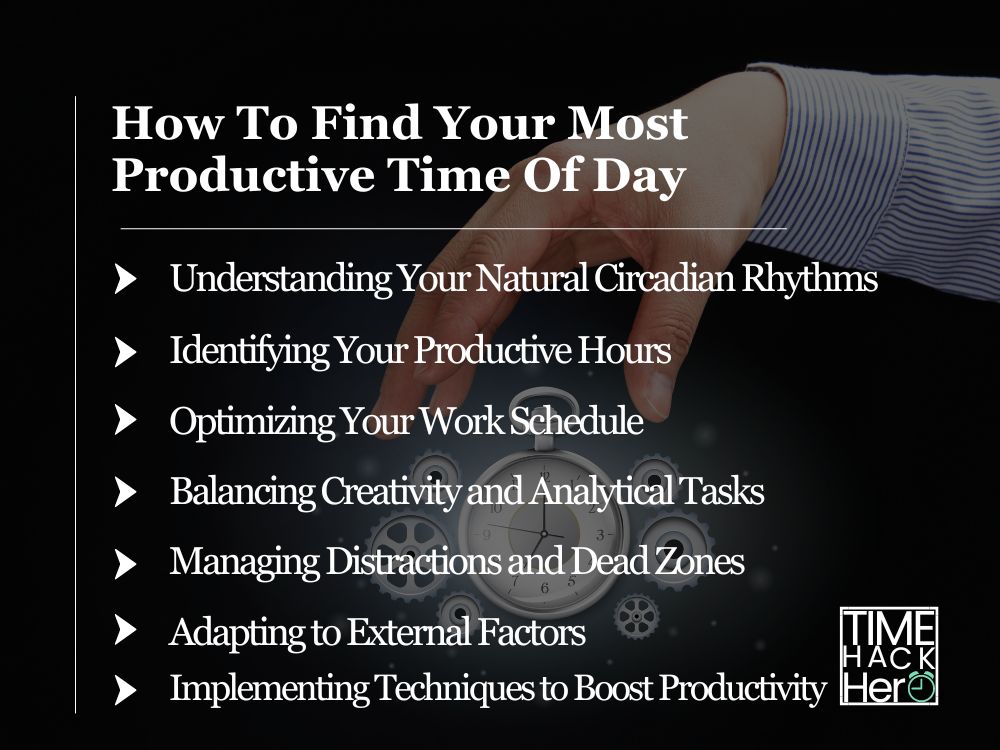
As an entrepreneur, the business landscape is in constant flux, and so too must be your approach to time management. Embracing continuous improvement and adaptability ensures that your strategies remain effective and relevant, even as your business evolves. This proactive stance is crucial for sustained success and for navigating the inevitable challenges and opportunities that arise.The journey of entrepreneurship is not a static one; it’s a dynamic process of learning, iterating, and adjusting.
By regularly evaluating your time management practices and remaining open to change, you can build a resilient and efficient operational framework that supports your long-term vision.
Methods for Regularly Reviewing and Refining Time Management Strategies
Consistent reflection and adjustment are the cornerstones of an effective time management system. Entrepreneurs must cultivate a habit of looking back at their practices to identify what’s working, what’s not, and what can be improved. This iterative process ensures that strategies remain aligned with current demands and personal effectiveness.Here are several methods to implement regular reviews and refinements:
- Weekly Review Sessions: Dedicate a specific block of time at the end of each week (e.g., Friday afternoon) to review your accomplishments, identify time sinks, and plan for the upcoming week. This allows for immediate adjustments based on recent experiences.
- Monthly Performance Audits: Conduct a more in-depth review monthly to assess progress against larger goals. Analyze how time was allocated across different projects and activities, and whether this allocation was optimal.
- Post-Project Debriefs: After completing a significant project, hold a debriefing session to analyze the time management aspects. What went well? What challenges were encountered? How could time have been managed more effectively?
- Tool and Technique Evaluation: Periodically assess the effectiveness of the time management tools and techniques you are using. Are they still serving your needs, or are there newer, more efficient alternatives available?
- Feedback Integration: Solicit feedback from team members or collaborators on how your time management impacts their work. Their perspectives can offer valuable insights into areas for improvement.
Adapting Time Management Approaches to Changing Business Needs
The agility to pivot your time management strategies in response to shifts in business priorities, market conditions, or personal circumstances is a hallmark of successful entrepreneurs. What worked yesterday may not be the optimal approach for today’s challenges.Consider these approaches for adapting your time management:
- Scenario Planning: Anticipate potential changes in your business and consider how your time management would need to adapt. For example, if a new product launch is imminent, how will your daily schedule and prioritization shift?
- Flexible Scheduling: Build flexibility into your schedule to accommodate unforeseen events or urgent tasks. This might involve reserving buffer time or having a clear process for reprioritizing when necessary.
- Dynamic Goal Alignment: Ensure your daily and weekly time allocations directly support your evolving business goals. If a strategic objective changes, your time management should reflect this shift immediately.
- Resource Reallocation: As business needs change, so too might the resources required. Be prepared to reallocate your time and the time of your team to focus on the most critical areas.
- External Trend Monitoring: Stay informed about industry trends, competitor activities, and economic shifts. These external factors can necessitate adjustments to your business strategy and, consequently, your time management.
Techniques for Learning from Past Time Management Successes and Failures
Every entrepreneur’s journey is punctuated by moments of exceptional productivity and periods where time seemed to slip away. Extracting valuable lessons from both is essential for continuous growth and refinement of time management skills.Effective learning involves systematic analysis:
- Document Successes: Keep a record of times when you felt particularly productive or achieved significant results within a set timeframe. Analyze what specific strategies, techniques, or environmental factors contributed to this success. Was it a particular scheduling method, a focused work block, or effective delegation?
- Analyze Failures Objectively: When time management efforts fall short, avoid self-criticism and instead focus on objective analysis. What were the root causes of the inefficiency? Was it poor planning, overcommitment, unexpected interruptions, or a lack of focus?
- Identify Patterns: Look for recurring themes in both your successes and failures. Are there certain types of tasks that you consistently manage well or poorly? Are there specific times of day or environments that foster or hinder your productivity?
- Create Actionable Insights: Transform your learnings into concrete actions. If a particular interruption consistently derails your focus, implement a new strategy to mitigate it. If a specific planning technique led to great success, make it a regular part of your routine.
- Share Learnings (Optional but Recommended): Discussing your time management experiences with mentors, peers, or your team can provide new perspectives and reinforce your own learning.
Self-Assessment Questionnaire for Evaluating Personal Time Management Effectiveness
Regular self-assessment is a powerful tool for identifying strengths and weaknesses in your time management practices. This questionnaire is designed to prompt reflection on key areas of entrepreneurial time management.
Please answer the following questions honestly to gauge your current effectiveness:
| Question | Response (Scale 1-5) | Notes/Examples |
|---|---|---|
| 1. How clearly defined are your daily, weekly, and monthly goals? | ||
| 2. How effectively do you prioritize tasks based on their importance and urgency? | ||
| 3. To what extent do you delegate tasks that can be handled by others? | ||
| 4. How successful are you at minimizing distractions during focused work periods? | ||
| 5. How consistently do you leverage technology to enhance your productivity? | ||
| 6. How well do you manage your energy levels to maintain peak performance throughout the day? | ||
| 7. How often do you proactively review and adjust your time management strategies? | ||
| 8. How adaptable are your time management approaches to unexpected changes or new priorities? | ||
| 9. How effectively do you learn from both your time management successes and failures? | ||
| 10. Do you feel your current time management practices are sustainable and prevent burnout? |
Scoring:
- 1-2 (Needs Significant Improvement): You may be experiencing considerable challenges with time management. Focus on fundamental strategies and seek external guidance.
- 3 (Developing): You have some awareness and are implementing basic strategies, but there’s substantial room for growth and refinement.
- 4 (Effective): You have a solid grasp of time management principles and are applying them well, but continuous optimization is still beneficial.
- 5 (Exceptional): You have mastered key time management principles and consistently apply them for optimal results. Continue to refine and innovate.
Use the “Notes/Examples” column to jot down specific instances or areas where you excel or struggle. This qualitative data is crucial for targeted improvement.
Illustrative Scenarios of Time Management in Action

To truly grasp the power of effective time management, let’s explore real-world examples of entrepreneurs who have masterfully navigated their demanding schedules. These scenarios showcase how different time management principles translate into tangible success, offering practical insights for your own entrepreneurial journey.
Case Study: Time Blocking for Product Development
Consider Sarah, the founder of a burgeoning SaaS company. Initially, her days were a chaotic mix of coding, customer support, and unexpected meetings, leading to missed deadlines and team frustration. To regain control, Sarah implemented a rigorous time-blocking system. She designated specific, uninterrupted blocks of time for core product development tasks, such as feature design, coding sprints, and bug fixing.
External meetings were consolidated into a single afternoon each week, and urgent customer inquiries were handled by a dedicated support specialist during set hours.Sarah’s approach involved:
- Dedicated Development Sprints: Allocating 3-hour blocks each morning, Monday through Thursday, solely for deep work on new product features.
- Focused Communication Windows: Scheduling a 1-hour slot each day for responding to emails and internal messages, avoiding constant interruptions.
- Strategic Meeting Consolidation: Grouping all external partner and investor meetings into a single afternoon, reducing context switching.
- Buffer Time: Including 30-minute buffers at the end of each major block to address unforeseen issues or simply transition to the next task.
This structured approach allowed Sarah’s development team to achieve a 25% increase in feature delivery speed and a significant reduction in critical bugs within a quarter.
Scenario: Delegation for Scaling a Service Business
Mark runs a successful digital marketing agency that was experiencing rapid growth. He found himself overwhelmed with client management, administrative tasks, and even some execution work, hindering his ability to focus on business strategy and client acquisition. Recognizing this bottleneck, Mark began strategically delegating. He hired a project manager to oversee client accounts and team workflow, an administrative assistant to handle scheduling, invoicing, and general office management, and specialized freelancers for specific marketing tasks like graphic design and copywriting.The impact of Mark’s delegation was profound:
- Empowered Team: His employees took ownership of their roles, leading to increased job satisfaction and productivity.
- Strategic Focus: Mark was freed up to pursue high-level client acquisition, forge new partnerships, and innovate service offerings.
- Improved Client Experience: With dedicated account managers, clients received more consistent and responsive service.
- Scalability Achieved: The business could now handle a larger client load without compromising quality, paving the way for further expansion.
Example: Technology Streamlining Customer Communication
For Emily, the owner of an online artisanal bakery, managing customer inquiries and orders was becoming a full-time job in itself. She was responding to emails, social media messages, and phone calls individually, often leading to delays and miscommunications. Emily implemented a customer relationship management (CRM) system and integrated it with her e-commerce platform and social media channels. This technology allowed her to centralize all customer interactions, track order histories, and automate responses for common inquiries.Emily’s technological solution included:
- Centralized Inbox: All customer messages from email, social media, and website forms were aggregated in one dashboard.
- Automated Responses: Pre-written templates for order confirmations, shipping updates, and FAQs were set up, saving significant time.
- Order Tracking Integration: Customers could easily access their order status via a link, reducing the need for individual inquiries.
- Personalized Outreach: The CRM allowed Emily to segment customers and send targeted promotions and personalized thank-you notes.
This automation reduced her customer service workload by over 50%, allowing her to dedicate more time to baking and product development.
Balancing Demanding Client Work with Strategic Business Planning
David, a freelance consultant specializing in financial strategy, often found himself engrossed in client projects, leaving little room for his own business growth. To address this, he adopted a hybrid approach, meticulously scheduling client-facing work while carving out dedicated time for strategic planning. He implemented a strict policy of limiting client calls to specific hours and used project management software to keep his client tasks organized and on track.
Crucially, he blocked out two half-days each week specifically for his own business development.David’s strategy involved:
- Client Work Hours: Monday to Friday, 9 AM to 5 PM, with a dedicated 1-hour lunch break, ensuring client availability.
- Strategic Planning Blocks: Tuesday afternoons and Friday mornings were reserved for reviewing his business goals, market research, networking, and content creation.
- Task Batching: Grouping similar administrative tasks, like invoicing and proposal writing, into specific time slots to maintain efficiency.
- Regular Reviews: Conducting a weekly review of his schedule and progress on both client work and his own business objectives to make necessary adjustments.
By consciously dedicating time to his own strategic planning, David was able to identify new service opportunities, refine his marketing efforts, and ultimately increase his client base by 30% in the following year, all while maintaining high client satisfaction.
Wrap-Up

Mastering how to manage time effectively as an entrepreneur is not merely about completing more tasks; it’s about strategically allocating your most valuable resource to achieve your business aspirations while maintaining personal well-being. By embracing the principles of strategic planning, effective prioritization, smart delegation, and mindful energy management, you can transform the chaotic demands of entrepreneurship into a structured path toward success.
Remember that continuous refinement and adaptability are key, ensuring your time management strategies evolve alongside your business, paving the way for sustained achievement and fulfillment.