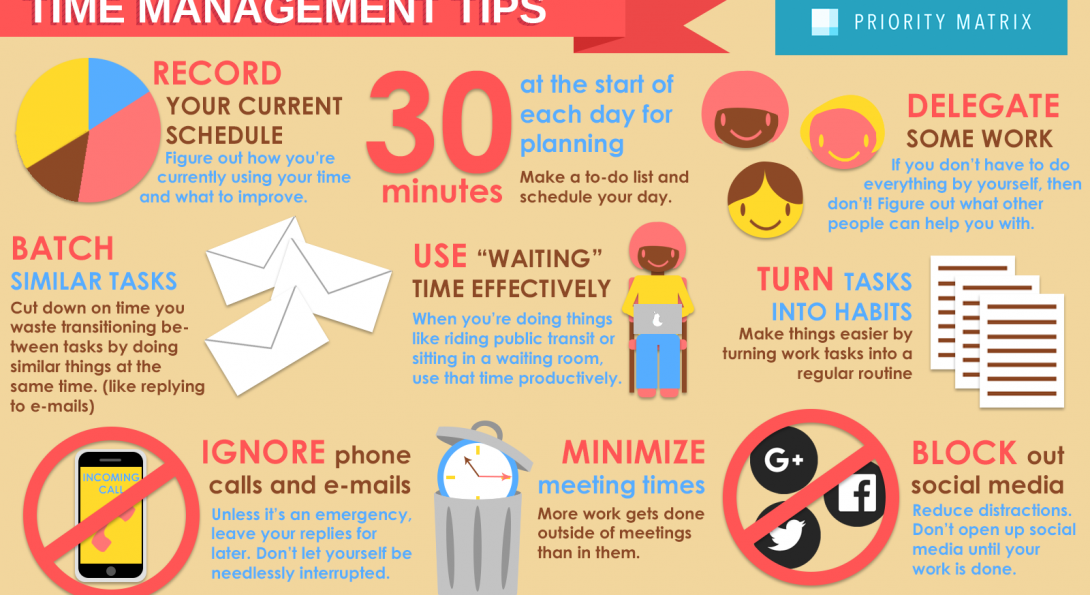
How To Manage Time Effectively In Business

Time is a precious commodity, especially in the fast-paced world of business. Effective time management is not just about working harder, but working smarter. This guide provides a comprehensive approach to optimizing your time, increasing productivity, and ultimately achieving your business objectives. It explores various strategies and tools to help you navigate the complexities of time management in a business environment.

From defining effective time management principles to identifying time wasters and implementing prioritization techniques, this guide offers practical insights and actionable steps. We will also delve into the creation of robust time management systems, strategies for overcoming common challenges, and methods for integrating time management into your daily routines and workflows. The goal is to equip you with the tools and knowledge to make the most of your time and maximize your business potential.

Table of Contents

Defining Effective Time Management in Business

6 Effective Time Management Techniques for Business Owners

Effective time management in a business context is the strategic and efficient allocation of time resources to achieve predefined business objectives. It involves prioritizing tasks, organizing schedules, and utilizing tools and techniques to maximize productivity and minimize wasted effort. This process is crucial for navigating the complexities of the modern business environment, where demands are often high and deadlines are tight.Time management is not merely about working longer hours, but rather about working smarter and more purposefully.

It’s about identifying priorities, delegating tasks when appropriate, and proactively managing interruptions to focus on high-impact activities. This strategic approach is fundamental to success in any business endeavor.

Key Principles of Time Management in Business

Effective time management in a business setting hinges on several key principles. These principles, when applied diligently, lead to increased productivity and the successful attainment of business goals. Prioritization, delegation, and proactive interruption management are crucial elements in this process.

  • Prioritization: Establishing clear priorities is paramount to effective time management. This involves analyzing tasks based on their urgency and importance, focusing efforts on high-impact activities, and delegating less critical tasks.
  • Delegation: Identifying tasks that can be effectively delegated to others is a critical skill in effective time management. This frees up valuable time for higher-level tasks, and empowers other team members. Delegation is crucial to team effectiveness and efficiency.
  • Proactive Interruption Management: Strategies for managing interruptions proactively are essential for focusing on tasks. This involves setting boundaries, scheduling dedicated time blocks, and using tools to minimize distractions.

Importance of Time Management for Achieving Business Objectives

Effective time management directly impacts the achievement of business objectives. By optimizing time allocation, businesses can streamline operations, improve efficiency, and ultimately increase profitability. Time management is a vital element for success in the modern business environment.

  • Increased Productivity: Effective time management leads to a direct increase in productivity. By prioritizing tasks and minimizing distractions, employees can focus on high-impact activities, leading to a higher volume of completed work in a given timeframe.
  • Improved Efficiency: Optimized time allocation results in improved efficiency in various business processes. By focusing on the most critical tasks first, resources are allocated effectively, minimizing wasted time and effort.
  • Enhanced Profitability: Enhanced productivity and efficiency translate to improved profitability. Businesses that manage their time effectively can reduce operational costs, increase output, and ultimately generate more revenue.

Effective vs. Ineffective Time Management in Business

Effective time management in business is characterized by strategic planning, focused execution, and a proactive approach to minimizing distractions. Conversely, ineffective time management is marked by poor planning, procrastination, and a reactive response to interruptions.

  • Effective Time Management: Effective time management leads to a well-structured workflow, maximized productivity, and a better ability to meet deadlines. This approach allows businesses to maintain a high level of efficiency, leading to greater profitability and success.
  • Ineffective Time Management: Ineffective time management, conversely, results in missed deadlines, reduced productivity, and a less efficient workflow. This approach can lead to increased stress, missed opportunities, and ultimately, a decline in profitability and success.

Impact of Poor Time Management on Productivity and Profitability

Poor time management significantly impacts both productivity and profitability in business. The following table illustrates the potential negative consequences of not effectively managing time.

Aspect Impact of Poor Time Management
Productivity Reduced output, missed deadlines, increased errors, decreased employee morale, and increased stress levels.
Profitability Increased operational costs, lost revenue opportunities, reduced customer satisfaction, and potential damage to the company’s reputation.

Identifying Time Wasters in Business

How to Improve Time Management in a Business Setting?

Effective time management in business hinges on recognizing and eliminating time-wasting activities. Understanding the common pitfalls in various roles and the underlying reasons behind these behaviors is crucial for improving efficiency and productivity. This section delves into the most frequent time wasters, offering practical insights and strategies for mitigating them.

Common Time Wasters in Different Business Roles

Recognizing the specific time-wasting activities prevalent in various roles allows for targeted interventions. Different roles often have unique challenges, requiring tailored strategies to address them effectively.

  • Marketing: Excessive social media browsing, ineffective lead nurturing strategies, and inefficient campaign tracking are common pitfalls. These often stem from a lack of clear goals, poor prioritization, or a lack of robust tracking mechanisms. Inaction on leads or failure to segment audiences can also waste considerable time.
  • Sales: Unproductive meetings, ineffective follow-up procedures, and poor customer relationship management (CRM) practices can significantly impact sales teams’ efficiency. Procrastination in responding to leads or failing to schedule calls effectively contributes to wasted time. Unclear sales processes or lack of sales training also hinder productivity.
  • Project Management: Unclear project scopes, inadequate planning, and ineffective communication are common time-wasters. Poor task delegation, inadequate resource allocation, and lack of progress tracking can also contribute to project delays. Frequent changes to project requirements or inadequate risk management can lead to unexpected delays.

Examples of Unproductive Activities

Unproductive activities often stem from poor planning or lack of clear processes. Identifying these activities is the first step toward improvement.

  • Unproductive Meetings: Meetings lacking clear objectives, agendas, and time constraints are frequent culprits. Lack of preparation by participants or inadequate follow-up actions can turn meetings into unproductive time sinks. Discussions that veer off-topic or lack a focused outcome can also be detrimental.
  • Unnecessary Emails: Excessive email traffic with unclear subject lines, unnecessary attachments, or lack of concise messaging wastes time for both the sender and recipient. Failing to organize emails effectively or respond promptly can also impede efficiency.
  • Inefficient Processes: Outdated or overly complex workflows, lack of automation, and manual data entry can create bottlenecks in various business functions. Poorly designed reporting mechanisms or ineffective collaboration tools also contribute to time-wasting inefficiencies.
See also  How To Plan Study Schedule For Daily Practice

The Role of Procrastination and Distractions

Procrastination and distractions are pervasive time-wasters. Understanding their impact is critical for effective time management.

  • Procrastination: The tendency to delay tasks often stems from fear of failure, lack of motivation, or an inability to prioritize effectively. Procrastination can lead to rushed work and reduced quality, ultimately increasing the time spent on the task.
  • Distractions: In today’s digital environment, distractions are abundant. Social media, emails, and notifications can easily divert attention from critical tasks. Maintaining focus and establishing boundaries are crucial for effective time management.

Contrasting Productive and Unproductive Activities

This table highlights the difference between productive and unproductive activities in a business environment.

Category Productive Activities Unproductive Activities
Meetings Meetings with clear objectives, agendas, and time limits. Focused discussions with actionable outcomes. Meetings lacking objectives, wandering discussions, lack of follow-up actions.
Communication Concise and targeted emails with clear subject lines. Effective use of project management tools for communication. Unnecessary emails, lengthy emails without clear subject lines, poor communication channels.
Tasks Prioritized tasks completed in a timely manner, effectively delegated tasks. Procrastinated tasks, multitasking, distractions.

Prioritization Techniques for Business Tasks

13 Effective time management tips for business leaders - Noeline Kirabo

Effective time management in business hinges significantly on the ability to prioritize tasks. Prioritization allows you to focus on the most critical activities, ensuring progress toward key objectives and preventing wasted effort. This crucial skill empowers businesses to maximize productivity and achieve desired outcomes efficiently.Prioritization techniques offer structured approaches to determine which tasks demand immediate attention and which can be delegated or scheduled for later.

Mastering these methods allows for a more strategic and efficient allocation of resources, ultimately leading to improved performance and better overall outcomes.

Eisenhower Matrix

The Eisenhower Matrix, also known as the Urgent-Important Matrix, provides a framework for categorizing tasks based on their urgency and importance. This categorization facilitates a clear understanding of which tasks require immediate action, which can be delegated, and which can be eliminated or scheduled for later.

  • Urgent and Important: These are crisis situations, pressing deadlines, and crucial projects that require immediate attention. Failure to address these tasks promptly can have significant negative consequences. Examples include resolving a critical customer complaint or meeting a tight deadline.
  • Important but Not Urgent: These tasks contribute to long-term goals and strategic planning. They are essential for sustained success but may not require immediate action. Examples include developing a new marketing strategy or conducting market research.
  • Urgent but Not Important: These tasks often interrupt the workflow and are typically distractions from core objectives. Examples include attending unnecessary meetings or responding to trivial emails.
  • Neither Urgent nor Important: These tasks are often time-wasting and should be eliminated or delegated. Examples include non-essential meetings or unnecessary reports.

Pareto Principle (80/20 Rule)

The Pareto Principle posits that roughly 80% of effects come from 20% of causes. Applying this principle to business tasks means identifying the 20% of activities that yield the greatest returns and focusing on those first.

  • Identify Key Activities: Analyze your tasks and identify the top 20% that deliver the most significant results.
  • Prioritize Accordingly: Allocate your time and resources to these high-impact activities. Schedule dedicated time blocks for these tasks.
  • Delegate or Eliminate: Tasks that don’t fall within the crucial 20% can be delegated or eliminated altogether. This frees up time for more valuable activities.

MoSCoW Method

The MoSCoW method prioritizes tasks based on their criticality to a project’s success.

  • Must have: These are essential features or functionalities without which the project cannot be considered complete.
  • Should have: These are desirable features or functionalities that contribute to a successful project outcome. Their absence does not derail the project.
  • Could have: These are optional features that are nice to have but not critical to the project’s completion.
  • Won’t have: These features are excluded from the project scope due to time constraints or other limitations.

Prioritization Flowchart

[Note: A flowchart illustrating the process of prioritizing tasks in a project is omitted here, as it is challenging to create visual representations in this text-based format. It would typically include steps like defining project goals, identifying tasks, evaluating urgency and importance, categorizing tasks, scheduling tasks, and monitoring progress.]

Time Management Tools and Techniques
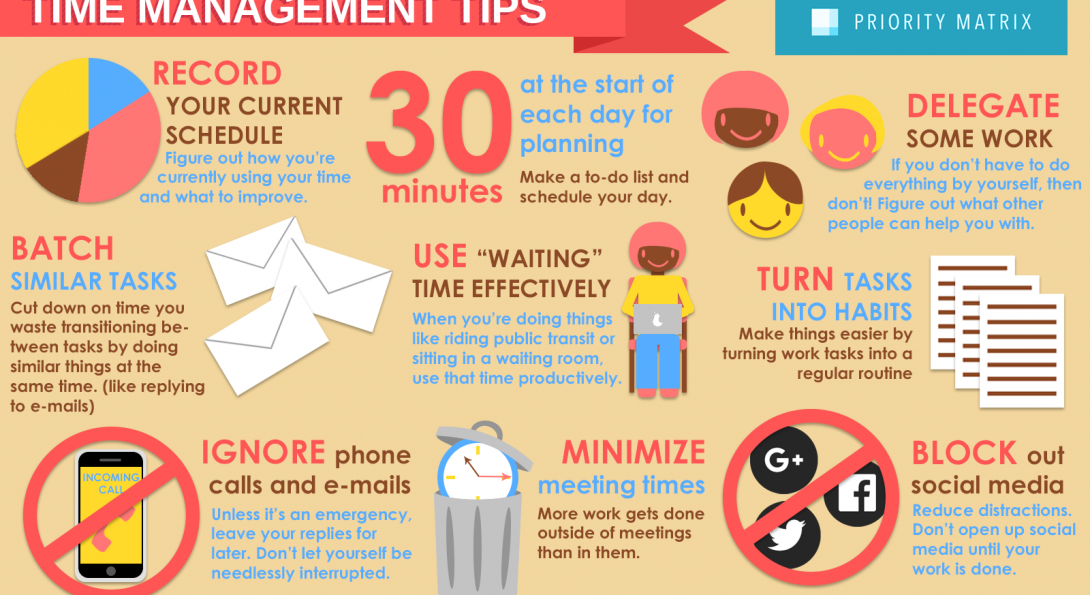
7 Tips to Manage Time Effectively | Wellness Center | University of ...

Effective time management in business hinges on leveraging the right tools and techniques. These tools and techniques provide structure, accountability, and ultimately, improved productivity. By streamlining workflows and minimizing wasted time, businesses can optimize their resources and achieve their goals more efficiently.Utilizing various time management tools and techniques can significantly impact a company’s performance. A well-structured approach enables better task allocation, reduced stress, and improved overall output.

Careful selection and implementation of these strategies can dramatically increase efficiency and profitability.

Popular Time Management Tools

A variety of tools and techniques cater to different needs and preferences. Choosing the right tools is crucial for optimizing individual and team productivity. A practical approach involves assessing individual work styles and preferences when selecting the most suitable tool.

  • Calendars and Scheduling Software: These tools provide a centralized platform for managing appointments, deadlines, and meetings. Features like reminders, color-coding, and integrated email functionalities facilitate better organization and reduce the risk of missed deadlines. Examples include Google Calendar, Outlook Calendar, and various project management software with built-in scheduling capabilities. These tools allow for efficient scheduling, minimizing conflicts and maximizing time allocation.

  • To-Do List Applications: These applications aid in organizing tasks, setting priorities, and tracking progress. Features like task categorization, due dates, and reminders ensure tasks are completed on time. Examples include Todoist, Any.do, and Microsoft To Do. These applications provide a structured approach to task management, enabling better organization and time management.
  • Project Management Software: These platforms offer comprehensive features for planning, tracking, and managing projects. They typically include task assignment, deadlines, progress tracking, and communication tools. Examples include Asana, Trello, and Jira. They allow for detailed project management, ensuring every task is assigned, tracked, and completed on schedule.
  • Time Tracking Software: These tools monitor the time spent on various tasks and projects. This data allows for identifying time-consuming activities and optimizing workflows. Examples include Toggl Track, Clockify, and Harvest. They provide valuable insights into time allocation, enabling businesses to identify and address bottlenecks.

Prioritization Techniques

Effective prioritization techniques are crucial for efficient time management. Prioritization strategies determine which tasks receive attention first, enabling better allocation of resources.

  • Eisenhower Matrix (Urgent/Important): This technique categorizes tasks based on urgency and importance, enabling a focused approach to completing tasks. Tasks categorized as both urgent and important are tackled first, followed by important but not urgent tasks. The matrix helps to avoid getting bogged down in urgent but less important tasks, allowing for more strategic use of time.
  • Pareto Principle (80/20 Rule): This principle suggests that 80% of results often come from 20% of efforts. Identifying the 20% of tasks that yield the most significant results allows for better allocation of time and resources. Concentrating on high-impact activities will maximize productivity and efficiency.

Comparison of Time Management Tools

Tool Key Features Advantages Disadvantages
Google Calendar Scheduling, reminders, color-coding User-friendly, integrates with other Google services Limited project management capabilities
Asana Project management, task assignment, deadlines Comprehensive project management features Steeper learning curve compared to simpler tools
Trello Visual task management, Kanban boards Intuitive visual interface, flexible workflow customization Less robust for complex projects
See also  How To Track Time Spent On Tasks

Building a Time Management System for Business

A robust time management system is crucial for success in today’s fast-paced business environment. It allows for effective prioritization, efficient task completion, and ultimately, achieving business objectives. This system goes beyond simply scheduling tasks; it involves a comprehensive approach that integrates various elements to optimize productivity.Effective time management systems are not static; they are dynamic and adaptable to changing priorities and circumstances.

They require continuous evaluation and adjustment to remain effective. This necessitates regular review and refinement of the system to ensure alignment with current business needs. This iterative process fosters adaptability and responsiveness to the evolving demands of the business.

Elements of a Robust Time Management System

A comprehensive time management system encompasses several crucial elements. These elements work together to create a cohesive and effective approach to managing time. The core components include clear goal setting, realistic deadlines, structured scheduling, and effective delegation. This multifaceted approach allows for a comprehensive strategy to tackle tasks and projects efficiently.

  • Goal Setting: Establishing clear, measurable, achievable, relevant, and time-bound (SMART) goals is essential. This clarity provides a framework for all subsequent activities, ensuring that tasks are directly contributing to overall objectives. Defining specific goals and outlining their significance empowers the team to stay focused on priorities.
  • Realistic Deadlines: Setting realistic deadlines is critical for avoiding stress and burnout. An overly ambitious schedule can lead to missed deadlines, decreased productivity, and a negative impact on morale. Thorough planning and consideration of task complexity and dependencies are essential in setting realistic deadlines.
  • Structured Scheduling: A daily or weekly schedule, meticulously crafted, helps prioritize tasks and allocate sufficient time for each. This structured approach ensures that crucial activities receive the necessary attention, preventing important matters from being overlooked.

Setting Realistic Goals and Deadlines

Setting realistic goals and deadlines is paramount to effective time management. Unrealistic expectations can lead to stress, frustration, and ultimately, decreased productivity. The process involves careful consideration of available resources, time constraints, and potential obstacles. This proactive approach ensures a balanced workload and minimizes the risk of burnout.

  • Analyzing Task Complexity: Before assigning deadlines, carefully assess the complexity of each task. Tasks with many interconnected steps or dependencies will require more time than simpler, isolated tasks. Understanding this intricacy ensures appropriate time allocation.
  • Resource Allocation: Consider the resources required to complete each task, including personnel, equipment, and materials. Accurate estimations of resource needs help in accurately calculating the time required for each task. Understanding the availability of resources helps prevent delays and ensures timely completion.
  • Contingency Planning: Build in buffer time for unexpected delays or interruptions. This contingency planning safeguards against potential roadblocks and maintains a flexible approach to project management. Unexpected challenges can be addressed proactively without jeopardizing deadlines.

Importance of a Daily/Weekly Schedule

A well-structured daily or weekly schedule is a cornerstone of effective time management. It provides a clear roadmap for the week, allowing for the prioritization of tasks and the allocation of time for different activities. This organized approach to scheduling minimizes wasted time and ensures consistent progress toward objectives.

  • Prioritization of Tasks: A schedule should prioritize tasks based on urgency and importance. Critical tasks should be scheduled during peak productivity hours. This strategic allocation of time ensures that crucial activities receive the necessary attention and are completed effectively.
  • Time Blocking: Allocate specific time blocks for different tasks or activities. This helps maintain focus and prevent task switching, thereby maximizing productivity. This technique ensures that time is used optimally.
  • Flexibility and Adaptability: While structure is important, a schedule should also allow for flexibility. Unforeseen events or urgent matters may necessitate adjustments. Flexibility ensures responsiveness to changing circumstances.

Incorporating Breaks and Downtime

Regular breaks and downtime are vital for maintaining productivity and preventing burnout. Scheduled breaks provide opportunities for mental restoration, reducing stress and improving concentration. This approach fosters a healthier work environment.

  • Scheduling Breaks: Incorporate short breaks throughout the day to recharge and prevent mental fatigue. These scheduled breaks can significantly improve focus and productivity. Regular breaks should be built into the daily schedule.
  • Downtime Allocation: Allocate specific time for relaxation and personal activities. This downtime allows for mental restoration and helps prevent burnout. This practice helps in maintaining overall well-being.
  • Benefits of Breaks: Regular breaks contribute to increased focus, improved performance, and reduced stress levels. This approach promotes a healthier work environment and fosters a more positive attitude towards tasks.

Delegating Tasks Effectively

Delegating tasks effectively can free up valuable time for more important activities. It allows for a balanced workload and maximizes the use of available resources. Careful consideration of the tasks and the individuals to whom they are assigned is crucial for successful delegation.

  • Identifying Tasks for Delegation: Assess tasks that can be delegated without compromising quality or deadlines. This assessment helps identify suitable candidates for delegation. Delegation should focus on tasks that can be completed effectively by other team members.
  • Choosing the Right Person: Select team members with the necessary skills and experience to handle the delegated tasks. Matching tasks with the appropriate individuals ensures efficiency and quality outcomes. This process fosters a collaborative work environment.
  • Providing Clear Instructions: Provide clear and concise instructions to ensure that the delegated tasks are completed correctly. Clear communication is critical to the success of delegation. Providing detailed instructions minimizes misunderstandings.

Overcoming Time Management Challenges

Formulating an Effective Time Management Strategy for Your Business

Effective time management is crucial for business success, but it’s not always easy. Businesses face numerous challenges that can hinder their ability to manage time efficiently. Understanding these challenges and developing strategies to overcome them is vital for sustained productivity and profitability. This section will delve into common obstacles and provide practical solutions for navigating them effectively.Businesses often struggle to balance competing priorities, leading to feelings of overwhelm and decreased productivity.

Poorly defined processes and unclear expectations can contribute to wasted time and missed deadlines. This section will explore these issues and provide solutions that businesses can implement to overcome these hurdles.

Common Time Management Challenges in Business

Many businesses face similar time management challenges. Recognizing these obstacles is the first step towards implementing effective solutions.

  • Competing Priorities: Businesses often juggle numerous tasks and responsibilities, making it difficult to prioritize effectively. Projects with overlapping deadlines and competing demands can cause confusion and lead to inefficient task management.
  • Poorly Defined Processes: Inefficient or undefined processes can lead to wasted time and effort. Lack of clarity on procedures and workflows can result in delays and rework.
  • Lack of Clear Expectations: Vague or unclear expectations from stakeholders, clients, or team members can lead to miscommunication and wasted time. Ambiguous goals and unclear responsibilities hinder productivity.
  • Interruptions and Distractions: Constant interruptions from phone calls, emails, and meetings can disrupt workflow and decrease focus. Unplanned or frequent distractions can lead to decreased productivity.
  • Procrastination: Delaying tasks until the last minute can create stress, decrease quality, and lead to missed deadlines. Procrastination often stems from fear of failure or a lack of clear strategies for tackling challenging tasks.
  • Ineffective Delegation: Not delegating tasks appropriately can overload team members and hinder productivity. Delegation requires clear communication, defined responsibilities, and sufficient resources for team members.

Strategies to Overcome Time Management Challenges

Implementing effective strategies can help businesses overcome these time management hurdles.

  • Prioritization Techniques: Utilizing prioritization methods such as the Eisenhower Matrix (urgent/important) or the Pareto Principle (80/20 rule) can help focus efforts on the most crucial tasks. This involves analyzing tasks based on their importance and urgency.
  • Process Optimization: Streamlining workflows and processes can significantly reduce wasted time. Analyzing current procedures, identifying bottlenecks, and implementing improvements can lead to significant efficiency gains. For example, a company might automate routine tasks or refine communication channels.
  • Clear Communication and Defined Expectations: Establish clear communication channels and define expectations for all stakeholders. Use project management tools and documentation to track progress and ensure everyone is on the same page.
  • Time Blocking and Scheduling: Allocate specific blocks of time for particular tasks. Using calendars and scheduling tools helps structure the workday and minimize distractions. This also involves prioritizing time for tasks based on their importance.
  • Effective Delegation and Empowerment: Identify tasks that can be delegated to team members. Provide necessary resources and training to enable team members to handle delegated tasks effectively. Delegation should be supported by clear expectations and guidelines.
  • Breaking Down Tasks: Dividing large tasks into smaller, manageable sub-tasks can make them less daunting and easier to complete. Breaking down projects into smaller milestones allows for more efficient progress monitoring and reduces procrastination.
See also  How To Create Weekly Schedule For Family

Importance of Flexibility and Adaptability

Adapting to changing circumstances is essential in business.

  • Flexibility and Adaptability: Time management requires flexibility to adjust to unforeseen events or changes in priorities. Unexpected issues or urgent requests require the ability to adjust plans and schedules without compromising overall goals.

Importance of Continuous Learning and Improvement

Continuous learning and improvement are key to enhancing time management skills.

  • Continuous Learning and Improvement: Regularly evaluate time management strategies and identify areas for improvement. Staying updated on new techniques and tools can help optimize productivity and efficiency.

Integrating Time Management into Business Processes

Effective time management isn’t just about individual strategies; it’s crucial to integrate these techniques seamlessly into daily routines and workflows. This integration ensures consistency and allows businesses to maximize efficiency and productivity across all departments and projects. By incorporating time management into business processes, organizations can achieve significant improvements in project delivery and overall performance.Integrating time management into business processes involves a proactive approach, encompassing not only individual tasks but also the overall project planning and execution strategy.

This approach fosters a culture of accountability and efficiency, leading to better resource allocation and reduced wasted time.

Daily Routines and Workflows

Consistent application of time management principles within daily routines and workflows streamlines tasks and prevents time-wasting activities. Establishing clear daily priorities, allocating specific time blocks for different tasks, and adhering to schedules are key elements of this integration.

  • Prioritize tasks based on urgency and importance. Use techniques like the Eisenhower Matrix (urgent/important) to categorize tasks and allocate time accordingly. This prevents getting bogged down in less crucial activities.
  • Establish dedicated work blocks. Designate specific time slots for focused work on specific tasks. This minimizes distractions and helps maintain concentration. Avoid multitasking, as it significantly reduces efficiency.
  • Schedule regular breaks. Breaks are essential for maintaining focus and preventing burnout. Short, planned breaks can actually enhance productivity in the long run.

Project Planning and Execution

Time management techniques significantly enhance project planning and execution by providing a structured framework for task allocation and progress tracking. Detailed project plans with realistic deadlines and resource allocation are vital components of effective project management.

  • Develop detailed project plans. Break down large projects into smaller, manageable tasks. Estimate time required for each task and incorporate these estimates into the project plan.
  • Establish clear deadlines and milestones. Define specific deadlines for each task and project milestone. This provides clear expectations and ensures progress is tracked.
  • Allocate resources effectively. Assign tasks to team members based on their skills and availability. This ensures efficient use of resources and prevents bottlenecks.

Measuring and Tracking Progress

Measuring and tracking progress against deadlines is critical for identifying potential delays and proactively addressing them. Regular progress reports and performance reviews are essential for maintaining control and making necessary adjustments.

  • Regular progress tracking. Use project management tools or spreadsheets to monitor progress against deadlines. Regular updates ensure that potential delays are identified early and that corrective actions can be taken.
  • Establish clear reporting procedures. Develop a system for reporting project progress at regular intervals. This allows for identification of bottlenecks and the timely implementation of solutions.
  • Analyze progress reports for insights. Regularly review progress reports to identify trends and areas needing attention. This allows for proactive adjustments and optimizations.

Adjusting Strategies to Changing Priorities

Adaptability is crucial in business. Time management strategies must be flexible to accommodate changing priorities. This adaptability allows for efficient resource allocation and maintains project momentum.

  • Recognize changing priorities. Be responsive to shifts in priorities by promptly reassessing project plans and reallocating resources as needed.
  • Re-evaluate and adjust timelines. Update deadlines and milestones as priorities evolve. This ensures that projects remain on track despite changes in objectives.
  • Communicate changes transparently. Keep stakeholders informed about adjustments to project plans and timelines.

Improving Meeting Efficiency

Meetings can be significant time wasters if not managed effectively. Clear agendas, concise discussions, and designated time limits are crucial for maximizing meeting efficiency.

  • Establish clear meeting agendas. Provide participants with detailed agendas in advance to ensure everyone is prepared.
  • Keep discussions focused and concise. Stick to the agenda and avoid tangents. Enforce time limits for each agenda item.
  • Assign clear action items and deadlines. Ensure each participant understands their responsibilities and deadlines for assigned actions.

Measuring and Evaluating Time Management Effectiveness

Effective time management in business is not just about implementing strategies; it’s about consistently evaluating their impact on achieving goals. Measuring the effectiveness of these strategies provides crucial insights into areas needing improvement and helps ensure time management practices align with overall business objectives. This process fosters a dynamic approach to time management, adapting to evolving business needs and optimizing resource allocation.A key aspect of effective time management is the ability to track progress towards predefined goals and objectives.

This requires establishing clear, measurable benchmarks and regularly assessing performance against these targets. Tracking progress enables timely course correction, allowing businesses to adjust strategies and resource allocation to maintain momentum toward achieving desired outcomes.

Methods for Measuring Time Management Effectiveness

Tracking time spent on various tasks and projects provides a quantitative basis for assessing time management efficiency. This can involve using time-tracking software, meticulously documenting time spent on different activities, or employing detailed project management tools. Regularly evaluating these records enables identification of potential time-wasting activities, leading to informed adjustments in work processes.

Tracking Progress Towards Goals and Objectives

Establishing clear goals and objectives is essential for measuring progress. These goals should be SMART (Specific, Measurable, Achievable, Relevant, and Time-bound). Regular progress reports, incorporating data from time tracking, can provide insight into the degree to which time management strategies are contributing to achieving these goals. These reports also facilitate identifying and addressing any deviations from the planned trajectory.

For instance, a project slated for completion in three months might show slower-than-expected progress, prompting a review of time allocation and resource allocation to expedite the timeline.

Analyzing the Impact of Time Management on Business Outcomes

Evaluating the impact of time management on business outcomes necessitates a thorough analysis of metrics reflecting business performance. Metrics can range from project completion rates to customer satisfaction scores, demonstrating the correlation between efficient time management and positive business results. For example, reduced project timelines resulting from optimized time management can directly translate into faster revenue generation and enhanced customer satisfaction.

Examples of Metrics to Monitor Time Management Performance

Numerous metrics can be used to assess time management performance. These include project completion rates, customer response times, meeting efficiency, and employee productivity levels. Tracking these metrics allows for the identification of patterns and trends, providing data-driven insights into the efficacy of time management strategies. For example, consistent delays in project completion could signal a need for better task prioritization and resource allocation.

Using Data to Identify Areas for Improvement in Time Management

Analyzing time management data allows for the identification of areas needing improvement. Identifying time-consuming tasks, bottlenecks in workflows, or inefficient use of resources helps in pinpointing areas where adjustments can yield significant improvements. For example, if data reveals that a particular project consistently consumes more time than anticipated, this prompts an examination of the project’s scope, resource allocation, or the workflow itself.

This data-driven approach is vital for iterative refinement of time management practices.

Ultimate Conclusion

In conclusion, mastering time management is crucial for success in any business. This guide has provided a framework for understanding and implementing effective strategies. By focusing on defining clear goals, identifying time wasters, utilizing prioritization techniques, and implementing robust systems, you can optimize your time and enhance your business’s overall performance. Remember, continuous learning and adaptation are key to long-term success in time management.

By applying the knowledge and techniques presented here, you’ll be well-positioned to effectively manage your time and achieve your business goals.


Leave a Reply

Your email address will not be published. Required fields are marked *

How To Manage Time Effectively In Business

Time is a precious commodity, especially in the fast-paced world of business. Effective time management is not just about working harder, but working smarter. This guide provides a comprehensive approach to optimizing your time, increasing productivity, and ultimately achieving your business objectives. It explores various strategies and tools to help you navigate the complexities of time management in a business environment.

From defining effective time management principles to identifying time wasters and implementing prioritization techniques, this guide offers practical insights and actionable steps. We will also delve into the creation of robust time management systems, strategies for overcoming common challenges, and methods for integrating time management into your daily routines and workflows. The goal is to equip you with the tools and knowledge to make the most of your time and maximize your business potential.

Table of Contents

Defining Effective Time Management in Business

Effective time management in a business context is the strategic and efficient allocation of time resources to achieve predefined business objectives. It involves prioritizing tasks, organizing schedules, and utilizing tools and techniques to maximize productivity and minimize wasted effort. This process is crucial for navigating the complexities of the modern business environment, where demands are often high and deadlines are tight.Time management is not merely about working longer hours, but rather about working smarter and more purposefully.

It’s about identifying priorities, delegating tasks when appropriate, and proactively managing interruptions to focus on high-impact activities. This strategic approach is fundamental to success in any business endeavor.

Key Principles of Time Management in Business

Effective time management in a business setting hinges on several key principles. These principles, when applied diligently, lead to increased productivity and the successful attainment of business goals. Prioritization, delegation, and proactive interruption management are crucial elements in this process.

  • Prioritization: Establishing clear priorities is paramount to effective time management. This involves analyzing tasks based on their urgency and importance, focusing efforts on high-impact activities, and delegating less critical tasks.
  • Delegation: Identifying tasks that can be effectively delegated to others is a critical skill in effective time management. This frees up valuable time for higher-level tasks, and empowers other team members. Delegation is crucial to team effectiveness and efficiency.
  • Proactive Interruption Management: Strategies for managing interruptions proactively are essential for focusing on tasks. This involves setting boundaries, scheduling dedicated time blocks, and using tools to minimize distractions.

Importance of Time Management for Achieving Business Objectives

Effective time management directly impacts the achievement of business objectives. By optimizing time allocation, businesses can streamline operations, improve efficiency, and ultimately increase profitability. Time management is a vital element for success in the modern business environment.

  • Increased Productivity: Effective time management leads to a direct increase in productivity. By prioritizing tasks and minimizing distractions, employees can focus on high-impact activities, leading to a higher volume of completed work in a given timeframe.
  • Improved Efficiency: Optimized time allocation results in improved efficiency in various business processes. By focusing on the most critical tasks first, resources are allocated effectively, minimizing wasted time and effort.
  • Enhanced Profitability: Enhanced productivity and efficiency translate to improved profitability. Businesses that manage their time effectively can reduce operational costs, increase output, and ultimately generate more revenue.

Effective vs. Ineffective Time Management in Business

Effective time management in business is characterized by strategic planning, focused execution, and a proactive approach to minimizing distractions. Conversely, ineffective time management is marked by poor planning, procrastination, and a reactive response to interruptions.

  • Effective Time Management: Effective time management leads to a well-structured workflow, maximized productivity, and a better ability to meet deadlines. This approach allows businesses to maintain a high level of efficiency, leading to greater profitability and success.
  • Ineffective Time Management: Ineffective time management, conversely, results in missed deadlines, reduced productivity, and a less efficient workflow. This approach can lead to increased stress, missed opportunities, and ultimately, a decline in profitability and success.

Impact of Poor Time Management on Productivity and Profitability

Poor time management significantly impacts both productivity and profitability in business. The following table illustrates the potential negative consequences of not effectively managing time.

Aspect Impact of Poor Time Management
Productivity Reduced output, missed deadlines, increased errors, decreased employee morale, and increased stress levels.
Profitability Increased operational costs, lost revenue opportunities, reduced customer satisfaction, and potential damage to the company’s reputation.

Identifying Time Wasters in Business

How to Improve Time Management in a Business Setting?

Effective time management in business hinges on recognizing and eliminating time-wasting activities. Understanding the common pitfalls in various roles and the underlying reasons behind these behaviors is crucial for improving efficiency and productivity. This section delves into the most frequent time wasters, offering practical insights and strategies for mitigating them.

Common Time Wasters in Different Business Roles

Recognizing the specific time-wasting activities prevalent in various roles allows for targeted interventions. Different roles often have unique challenges, requiring tailored strategies to address them effectively.

  • Marketing: Excessive social media browsing, ineffective lead nurturing strategies, and inefficient campaign tracking are common pitfalls. These often stem from a lack of clear goals, poor prioritization, or a lack of robust tracking mechanisms. Inaction on leads or failure to segment audiences can also waste considerable time.
  • Sales: Unproductive meetings, ineffective follow-up procedures, and poor customer relationship management (CRM) practices can significantly impact sales teams’ efficiency. Procrastination in responding to leads or failing to schedule calls effectively contributes to wasted time. Unclear sales processes or lack of sales training also hinder productivity.
  • Project Management: Unclear project scopes, inadequate planning, and ineffective communication are common time-wasters. Poor task delegation, inadequate resource allocation, and lack of progress tracking can also contribute to project delays. Frequent changes to project requirements or inadequate risk management can lead to unexpected delays.

Examples of Unproductive Activities

Unproductive activities often stem from poor planning or lack of clear processes. Identifying these activities is the first step toward improvement.

  • Unproductive Meetings: Meetings lacking clear objectives, agendas, and time constraints are frequent culprits. Lack of preparation by participants or inadequate follow-up actions can turn meetings into unproductive time sinks. Discussions that veer off-topic or lack a focused outcome can also be detrimental.
  • Unnecessary Emails: Excessive email traffic with unclear subject lines, unnecessary attachments, or lack of concise messaging wastes time for both the sender and recipient. Failing to organize emails effectively or respond promptly can also impede efficiency.
  • Inefficient Processes: Outdated or overly complex workflows, lack of automation, and manual data entry can create bottlenecks in various business functions. Poorly designed reporting mechanisms or ineffective collaboration tools also contribute to time-wasting inefficiencies.
See also  How To Plan Study Schedule For Fast Learning

The Role of Procrastination and Distractions

Procrastination and distractions are pervasive time-wasters. Understanding their impact is critical for effective time management.

  • Procrastination: The tendency to delay tasks often stems from fear of failure, lack of motivation, or an inability to prioritize effectively. Procrastination can lead to rushed work and reduced quality, ultimately increasing the time spent on the task.
  • Distractions: In today’s digital environment, distractions are abundant. Social media, emails, and notifications can easily divert attention from critical tasks. Maintaining focus and establishing boundaries are crucial for effective time management.

Contrasting Productive and Unproductive Activities

This table highlights the difference between productive and unproductive activities in a business environment.

Category Productive Activities Unproductive Activities
Meetings Meetings with clear objectives, agendas, and time limits. Focused discussions with actionable outcomes. Meetings lacking objectives, wandering discussions, lack of follow-up actions.
Communication Concise and targeted emails with clear subject lines. Effective use of project management tools for communication. Unnecessary emails, lengthy emails without clear subject lines, poor communication channels.
Tasks Prioritized tasks completed in a timely manner, effectively delegated tasks. Procrastinated tasks, multitasking, distractions.

Prioritization Techniques for Business Tasks

6 Effective Time Management Techniques for Business Owners

Effective time management in business hinges significantly on the ability to prioritize tasks. Prioritization allows you to focus on the most critical activities, ensuring progress toward key objectives and preventing wasted effort. This crucial skill empowers businesses to maximize productivity and achieve desired outcomes efficiently.Prioritization techniques offer structured approaches to determine which tasks demand immediate attention and which can be delegated or scheduled for later.

Mastering these methods allows for a more strategic and efficient allocation of resources, ultimately leading to improved performance and better overall outcomes.

Eisenhower Matrix

The Eisenhower Matrix, also known as the Urgent-Important Matrix, provides a framework for categorizing tasks based on their urgency and importance. This categorization facilitates a clear understanding of which tasks require immediate action, which can be delegated, and which can be eliminated or scheduled for later.

  • Urgent and Important: These are crisis situations, pressing deadlines, and crucial projects that require immediate attention. Failure to address these tasks promptly can have significant negative consequences. Examples include resolving a critical customer complaint or meeting a tight deadline.
  • Important but Not Urgent: These tasks contribute to long-term goals and strategic planning. They are essential for sustained success but may not require immediate action. Examples include developing a new marketing strategy or conducting market research.
  • Urgent but Not Important: These tasks often interrupt the workflow and are typically distractions from core objectives. Examples include attending unnecessary meetings or responding to trivial emails.
  • Neither Urgent nor Important: These tasks are often time-wasting and should be eliminated or delegated. Examples include non-essential meetings or unnecessary reports.

Pareto Principle (80/20 Rule)

The Pareto Principle posits that roughly 80% of effects come from 20% of causes. Applying this principle to business tasks means identifying the 20% of activities that yield the greatest returns and focusing on those first.

  • Identify Key Activities: Analyze your tasks and identify the top 20% that deliver the most significant results.
  • Prioritize Accordingly: Allocate your time and resources to these high-impact activities. Schedule dedicated time blocks for these tasks.
  • Delegate or Eliminate: Tasks that don’t fall within the crucial 20% can be delegated or eliminated altogether. This frees up time for more valuable activities.

MoSCoW Method

The MoSCoW method prioritizes tasks based on their criticality to a project’s success.

  • Must have: These are essential features or functionalities without which the project cannot be considered complete.
  • Should have: These are desirable features or functionalities that contribute to a successful project outcome. Their absence does not derail the project.
  • Could have: These are optional features that are nice to have but not critical to the project’s completion.
  • Won’t have: These features are excluded from the project scope due to time constraints or other limitations.

Prioritization Flowchart

[Note: A flowchart illustrating the process of prioritizing tasks in a project is omitted here, as it is challenging to create visual representations in this text-based format. It would typically include steps like defining project goals, identifying tasks, evaluating urgency and importance, categorizing tasks, scheduling tasks, and monitoring progress.]

Time Management Tools and Techniques

Effective time management in business hinges on leveraging the right tools and techniques. These tools and techniques provide structure, accountability, and ultimately, improved productivity. By streamlining workflows and minimizing wasted time, businesses can optimize their resources and achieve their goals more efficiently.Utilizing various time management tools and techniques can significantly impact a company’s performance. A well-structured approach enables better task allocation, reduced stress, and improved overall output.

Careful selection and implementation of these strategies can dramatically increase efficiency and profitability.

Popular Time Management Tools

A variety of tools and techniques cater to different needs and preferences. Choosing the right tools is crucial for optimizing individual and team productivity. A practical approach involves assessing individual work styles and preferences when selecting the most suitable tool.

  • Calendars and Scheduling Software: These tools provide a centralized platform for managing appointments, deadlines, and meetings. Features like reminders, color-coding, and integrated email functionalities facilitate better organization and reduce the risk of missed deadlines. Examples include Google Calendar, Outlook Calendar, and various project management software with built-in scheduling capabilities. These tools allow for efficient scheduling, minimizing conflicts and maximizing time allocation.

  • To-Do List Applications: These applications aid in organizing tasks, setting priorities, and tracking progress. Features like task categorization, due dates, and reminders ensure tasks are completed on time. Examples include Todoist, Any.do, and Microsoft To Do. These applications provide a structured approach to task management, enabling better organization and time management.
  • Project Management Software: These platforms offer comprehensive features for planning, tracking, and managing projects. They typically include task assignment, deadlines, progress tracking, and communication tools. Examples include Asana, Trello, and Jira. They allow for detailed project management, ensuring every task is assigned, tracked, and completed on schedule.
  • Time Tracking Software: These tools monitor the time spent on various tasks and projects. This data allows for identifying time-consuming activities and optimizing workflows. Examples include Toggl Track, Clockify, and Harvest. They provide valuable insights into time allocation, enabling businesses to identify and address bottlenecks.

Prioritization Techniques

Effective prioritization techniques are crucial for efficient time management. Prioritization strategies determine which tasks receive attention first, enabling better allocation of resources.

  • Eisenhower Matrix (Urgent/Important): This technique categorizes tasks based on urgency and importance, enabling a focused approach to completing tasks. Tasks categorized as both urgent and important are tackled first, followed by important but not urgent tasks. The matrix helps to avoid getting bogged down in urgent but less important tasks, allowing for more strategic use of time.
  • Pareto Principle (80/20 Rule): This principle suggests that 80% of results often come from 20% of efforts. Identifying the 20% of tasks that yield the most significant results allows for better allocation of time and resources. Concentrating on high-impact activities will maximize productivity and efficiency.

Comparison of Time Management Tools

Tool Key Features Advantages Disadvantages
Google Calendar Scheduling, reminders, color-coding User-friendly, integrates with other Google services Limited project management capabilities
Asana Project management, task assignment, deadlines Comprehensive project management features Steeper learning curve compared to simpler tools
Trello Visual task management, Kanban boards Intuitive visual interface, flexible workflow customization Less robust for complex projects
See also  How To Manage Email Time Daily

Building a Time Management System for Business

A robust time management system is crucial for success in today’s fast-paced business environment. It allows for effective prioritization, efficient task completion, and ultimately, achieving business objectives. This system goes beyond simply scheduling tasks; it involves a comprehensive approach that integrates various elements to optimize productivity.Effective time management systems are not static; they are dynamic and adaptable to changing priorities and circumstances.

They require continuous evaluation and adjustment to remain effective. This necessitates regular review and refinement of the system to ensure alignment with current business needs. This iterative process fosters adaptability and responsiveness to the evolving demands of the business.

Elements of a Robust Time Management System

A comprehensive time management system encompasses several crucial elements. These elements work together to create a cohesive and effective approach to managing time. The core components include clear goal setting, realistic deadlines, structured scheduling, and effective delegation. This multifaceted approach allows for a comprehensive strategy to tackle tasks and projects efficiently.

  • Goal Setting: Establishing clear, measurable, achievable, relevant, and time-bound (SMART) goals is essential. This clarity provides a framework for all subsequent activities, ensuring that tasks are directly contributing to overall objectives. Defining specific goals and outlining their significance empowers the team to stay focused on priorities.
  • Realistic Deadlines: Setting realistic deadlines is critical for avoiding stress and burnout. An overly ambitious schedule can lead to missed deadlines, decreased productivity, and a negative impact on morale. Thorough planning and consideration of task complexity and dependencies are essential in setting realistic deadlines.
  • Structured Scheduling: A daily or weekly schedule, meticulously crafted, helps prioritize tasks and allocate sufficient time for each. This structured approach ensures that crucial activities receive the necessary attention, preventing important matters from being overlooked.

Setting Realistic Goals and Deadlines

Setting realistic goals and deadlines is paramount to effective time management. Unrealistic expectations can lead to stress, frustration, and ultimately, decreased productivity. The process involves careful consideration of available resources, time constraints, and potential obstacles. This proactive approach ensures a balanced workload and minimizes the risk of burnout.

  • Analyzing Task Complexity: Before assigning deadlines, carefully assess the complexity of each task. Tasks with many interconnected steps or dependencies will require more time than simpler, isolated tasks. Understanding this intricacy ensures appropriate time allocation.
  • Resource Allocation: Consider the resources required to complete each task, including personnel, equipment, and materials. Accurate estimations of resource needs help in accurately calculating the time required for each task. Understanding the availability of resources helps prevent delays and ensures timely completion.
  • Contingency Planning: Build in buffer time for unexpected delays or interruptions. This contingency planning safeguards against potential roadblocks and maintains a flexible approach to project management. Unexpected challenges can be addressed proactively without jeopardizing deadlines.

Importance of a Daily/Weekly Schedule

A well-structured daily or weekly schedule is a cornerstone of effective time management. It provides a clear roadmap for the week, allowing for the prioritization of tasks and the allocation of time for different activities. This organized approach to scheduling minimizes wasted time and ensures consistent progress toward objectives.

  • Prioritization of Tasks: A schedule should prioritize tasks based on urgency and importance. Critical tasks should be scheduled during peak productivity hours. This strategic allocation of time ensures that crucial activities receive the necessary attention and are completed effectively.
  • Time Blocking: Allocate specific time blocks for different tasks or activities. This helps maintain focus and prevent task switching, thereby maximizing productivity. This technique ensures that time is used optimally.
  • Flexibility and Adaptability: While structure is important, a schedule should also allow for flexibility. Unforeseen events or urgent matters may necessitate adjustments. Flexibility ensures responsiveness to changing circumstances.

Incorporating Breaks and Downtime

Regular breaks and downtime are vital for maintaining productivity and preventing burnout. Scheduled breaks provide opportunities for mental restoration, reducing stress and improving concentration. This approach fosters a healthier work environment.

  • Scheduling Breaks: Incorporate short breaks throughout the day to recharge and prevent mental fatigue. These scheduled breaks can significantly improve focus and productivity. Regular breaks should be built into the daily schedule.
  • Downtime Allocation: Allocate specific time for relaxation and personal activities. This downtime allows for mental restoration and helps prevent burnout. This practice helps in maintaining overall well-being.
  • Benefits of Breaks: Regular breaks contribute to increased focus, improved performance, and reduced stress levels. This approach promotes a healthier work environment and fosters a more positive attitude towards tasks.

Delegating Tasks Effectively

Delegating tasks effectively can free up valuable time for more important activities. It allows for a balanced workload and maximizes the use of available resources. Careful consideration of the tasks and the individuals to whom they are assigned is crucial for successful delegation.

  • Identifying Tasks for Delegation: Assess tasks that can be delegated without compromising quality or deadlines. This assessment helps identify suitable candidates for delegation. Delegation should focus on tasks that can be completed effectively by other team members.
  • Choosing the Right Person: Select team members with the necessary skills and experience to handle the delegated tasks. Matching tasks with the appropriate individuals ensures efficiency and quality outcomes. This process fosters a collaborative work environment.
  • Providing Clear Instructions: Provide clear and concise instructions to ensure that the delegated tasks are completed correctly. Clear communication is critical to the success of delegation. Providing detailed instructions minimizes misunderstandings.

Overcoming Time Management Challenges

Formulating an Effective Time Management Strategy for Your Business

Effective time management is crucial for business success, but it’s not always easy. Businesses face numerous challenges that can hinder their ability to manage time efficiently. Understanding these challenges and developing strategies to overcome them is vital for sustained productivity and profitability. This section will delve into common obstacles and provide practical solutions for navigating them effectively.Businesses often struggle to balance competing priorities, leading to feelings of overwhelm and decreased productivity.

Poorly defined processes and unclear expectations can contribute to wasted time and missed deadlines. This section will explore these issues and provide solutions that businesses can implement to overcome these hurdles.

Common Time Management Challenges in Business

Many businesses face similar time management challenges. Recognizing these obstacles is the first step towards implementing effective solutions.

  • Competing Priorities: Businesses often juggle numerous tasks and responsibilities, making it difficult to prioritize effectively. Projects with overlapping deadlines and competing demands can cause confusion and lead to inefficient task management.
  • Poorly Defined Processes: Inefficient or undefined processes can lead to wasted time and effort. Lack of clarity on procedures and workflows can result in delays and rework.
  • Lack of Clear Expectations: Vague or unclear expectations from stakeholders, clients, or team members can lead to miscommunication and wasted time. Ambiguous goals and unclear responsibilities hinder productivity.
  • Interruptions and Distractions: Constant interruptions from phone calls, emails, and meetings can disrupt workflow and decrease focus. Unplanned or frequent distractions can lead to decreased productivity.
  • Procrastination: Delaying tasks until the last minute can create stress, decrease quality, and lead to missed deadlines. Procrastination often stems from fear of failure or a lack of clear strategies for tackling challenging tasks.
  • Ineffective Delegation: Not delegating tasks appropriately can overload team members and hinder productivity. Delegation requires clear communication, defined responsibilities, and sufficient resources for team members.

Strategies to Overcome Time Management Challenges

Implementing effective strategies can help businesses overcome these time management hurdles.

  • Prioritization Techniques: Utilizing prioritization methods such as the Eisenhower Matrix (urgent/important) or the Pareto Principle (80/20 rule) can help focus efforts on the most crucial tasks. This involves analyzing tasks based on their importance and urgency.
  • Process Optimization: Streamlining workflows and processes can significantly reduce wasted time. Analyzing current procedures, identifying bottlenecks, and implementing improvements can lead to significant efficiency gains. For example, a company might automate routine tasks or refine communication channels.
  • Clear Communication and Defined Expectations: Establish clear communication channels and define expectations for all stakeholders. Use project management tools and documentation to track progress and ensure everyone is on the same page.
  • Time Blocking and Scheduling: Allocate specific blocks of time for particular tasks. Using calendars and scheduling tools helps structure the workday and minimize distractions. This also involves prioritizing time for tasks based on their importance.
  • Effective Delegation and Empowerment: Identify tasks that can be delegated to team members. Provide necessary resources and training to enable team members to handle delegated tasks effectively. Delegation should be supported by clear expectations and guidelines.
  • Breaking Down Tasks: Dividing large tasks into smaller, manageable sub-tasks can make them less daunting and easier to complete. Breaking down projects into smaller milestones allows for more efficient progress monitoring and reduces procrastination.
See also  How To Reduce Screen Time For Productivity

Importance of Flexibility and Adaptability

Adapting to changing circumstances is essential in business.

  • Flexibility and Adaptability: Time management requires flexibility to adjust to unforeseen events or changes in priorities. Unexpected issues or urgent requests require the ability to adjust plans and schedules without compromising overall goals.

Importance of Continuous Learning and Improvement

Continuous learning and improvement are key to enhancing time management skills.

  • Continuous Learning and Improvement: Regularly evaluate time management strategies and identify areas for improvement. Staying updated on new techniques and tools can help optimize productivity and efficiency.

Integrating Time Management into Business Processes

7 Tips to Manage Time Effectively | Wellness Center | University of ...

Effective time management isn’t just about individual strategies; it’s crucial to integrate these techniques seamlessly into daily routines and workflows. This integration ensures consistency and allows businesses to maximize efficiency and productivity across all departments and projects. By incorporating time management into business processes, organizations can achieve significant improvements in project delivery and overall performance.Integrating time management into business processes involves a proactive approach, encompassing not only individual tasks but also the overall project planning and execution strategy.

This approach fosters a culture of accountability and efficiency, leading to better resource allocation and reduced wasted time.

Daily Routines and Workflows

Consistent application of time management principles within daily routines and workflows streamlines tasks and prevents time-wasting activities. Establishing clear daily priorities, allocating specific time blocks for different tasks, and adhering to schedules are key elements of this integration.

  • Prioritize tasks based on urgency and importance. Use techniques like the Eisenhower Matrix (urgent/important) to categorize tasks and allocate time accordingly. This prevents getting bogged down in less crucial activities.
  • Establish dedicated work blocks. Designate specific time slots for focused work on specific tasks. This minimizes distractions and helps maintain concentration. Avoid multitasking, as it significantly reduces efficiency.
  • Schedule regular breaks. Breaks are essential for maintaining focus and preventing burnout. Short, planned breaks can actually enhance productivity in the long run.

Project Planning and Execution

Time management techniques significantly enhance project planning and execution by providing a structured framework for task allocation and progress tracking. Detailed project plans with realistic deadlines and resource allocation are vital components of effective project management.

  • Develop detailed project plans. Break down large projects into smaller, manageable tasks. Estimate time required for each task and incorporate these estimates into the project plan.
  • Establish clear deadlines and milestones. Define specific deadlines for each task and project milestone. This provides clear expectations and ensures progress is tracked.
  • Allocate resources effectively. Assign tasks to team members based on their skills and availability. This ensures efficient use of resources and prevents bottlenecks.

Measuring and Tracking Progress

Measuring and tracking progress against deadlines is critical for identifying potential delays and proactively addressing them. Regular progress reports and performance reviews are essential for maintaining control and making necessary adjustments.

  • Regular progress tracking. Use project management tools or spreadsheets to monitor progress against deadlines. Regular updates ensure that potential delays are identified early and that corrective actions can be taken.
  • Establish clear reporting procedures. Develop a system for reporting project progress at regular intervals. This allows for identification of bottlenecks and the timely implementation of solutions.
  • Analyze progress reports for insights. Regularly review progress reports to identify trends and areas needing attention. This allows for proactive adjustments and optimizations.

Adjusting Strategies to Changing Priorities

Adaptability is crucial in business. Time management strategies must be flexible to accommodate changing priorities. This adaptability allows for efficient resource allocation and maintains project momentum.

  • Recognize changing priorities. Be responsive to shifts in priorities by promptly reassessing project plans and reallocating resources as needed.
  • Re-evaluate and adjust timelines. Update deadlines and milestones as priorities evolve. This ensures that projects remain on track despite changes in objectives.
  • Communicate changes transparently. Keep stakeholders informed about adjustments to project plans and timelines.

Improving Meeting Efficiency

Meetings can be significant time wasters if not managed effectively. Clear agendas, concise discussions, and designated time limits are crucial for maximizing meeting efficiency.

  • Establish clear meeting agendas. Provide participants with detailed agendas in advance to ensure everyone is prepared.
  • Keep discussions focused and concise. Stick to the agenda and avoid tangents. Enforce time limits for each agenda item.
  • Assign clear action items and deadlines. Ensure each participant understands their responsibilities and deadlines for assigned actions.

Measuring and Evaluating Time Management Effectiveness

Effective time management in business is not just about implementing strategies; it’s about consistently evaluating their impact on achieving goals. Measuring the effectiveness of these strategies provides crucial insights into areas needing improvement and helps ensure time management practices align with overall business objectives. This process fosters a dynamic approach to time management, adapting to evolving business needs and optimizing resource allocation.A key aspect of effective time management is the ability to track progress towards predefined goals and objectives.

This requires establishing clear, measurable benchmarks and regularly assessing performance against these targets. Tracking progress enables timely course correction, allowing businesses to adjust strategies and resource allocation to maintain momentum toward achieving desired outcomes.

Methods for Measuring Time Management Effectiveness

Tracking time spent on various tasks and projects provides a quantitative basis for assessing time management efficiency. This can involve using time-tracking software, meticulously documenting time spent on different activities, or employing detailed project management tools. Regularly evaluating these records enables identification of potential time-wasting activities, leading to informed adjustments in work processes.

Tracking Progress Towards Goals and Objectives

Establishing clear goals and objectives is essential for measuring progress. These goals should be SMART (Specific, Measurable, Achievable, Relevant, and Time-bound). Regular progress reports, incorporating data from time tracking, can provide insight into the degree to which time management strategies are contributing to achieving these goals. These reports also facilitate identifying and addressing any deviations from the planned trajectory.

For instance, a project slated for completion in three months might show slower-than-expected progress, prompting a review of time allocation and resource allocation to expedite the timeline.

Analyzing the Impact of Time Management on Business Outcomes

Evaluating the impact of time management on business outcomes necessitates a thorough analysis of metrics reflecting business performance. Metrics can range from project completion rates to customer satisfaction scores, demonstrating the correlation between efficient time management and positive business results. For example, reduced project timelines resulting from optimized time management can directly translate into faster revenue generation and enhanced customer satisfaction.

Examples of Metrics to Monitor Time Management Performance

Numerous metrics can be used to assess time management performance. These include project completion rates, customer response times, meeting efficiency, and employee productivity levels. Tracking these metrics allows for the identification of patterns and trends, providing data-driven insights into the efficacy of time management strategies. For example, consistent delays in project completion could signal a need for better task prioritization and resource allocation.

Using Data to Identify Areas for Improvement in Time Management

Analyzing time management data allows for the identification of areas needing improvement. Identifying time-consuming tasks, bottlenecks in workflows, or inefficient use of resources helps in pinpointing areas where adjustments can yield significant improvements. For example, if data reveals that a particular project consistently consumes more time than anticipated, this prompts an examination of the project’s scope, resource allocation, or the workflow itself.

This data-driven approach is vital for iterative refinement of time management practices.

Ultimate Conclusion

13 Effective time management tips for business leaders - Noeline Kirabo

In conclusion, mastering time management is crucial for success in any business. This guide has provided a framework for understanding and implementing effective strategies. By focusing on defining clear goals, identifying time wasters, utilizing prioritization techniques, and implementing robust systems, you can optimize your time and enhance your business’s overall performance. Remember, continuous learning and adaptation are key to long-term success in time management.

By applying the knowledge and techniques presented here, you’ll be well-positioned to effectively manage your time and achieve your business goals.

Leave a Reply

Your email address will not be published. Required fields are marked *