Mastering the art of reading requires more than just picking up a book. Effective time management is crucial for making reading a consistent and enjoyable part of your life. This guide provides practical strategies for integrating reading into your daily routine, optimizing your reading sessions, and setting realistic goals. Whether you’re a seasoned reader or just starting your reading journey, these techniques will empower you to unlock the full potential of your reading experience.
This comprehensive guide covers various aspects of time management for reading, from establishing a consistent reading routine to dealing with interruptions and procrastination. It delves into optimizing reading sessions by maximizing focus, minimizing distractions, and creating the ideal reading environment. Furthermore, the guide explores different time management techniques, from the Pomodoro Technique to time blocking, to help you prioritize reading and integrate it into a busy schedule.
Optimizing Reading Sessions
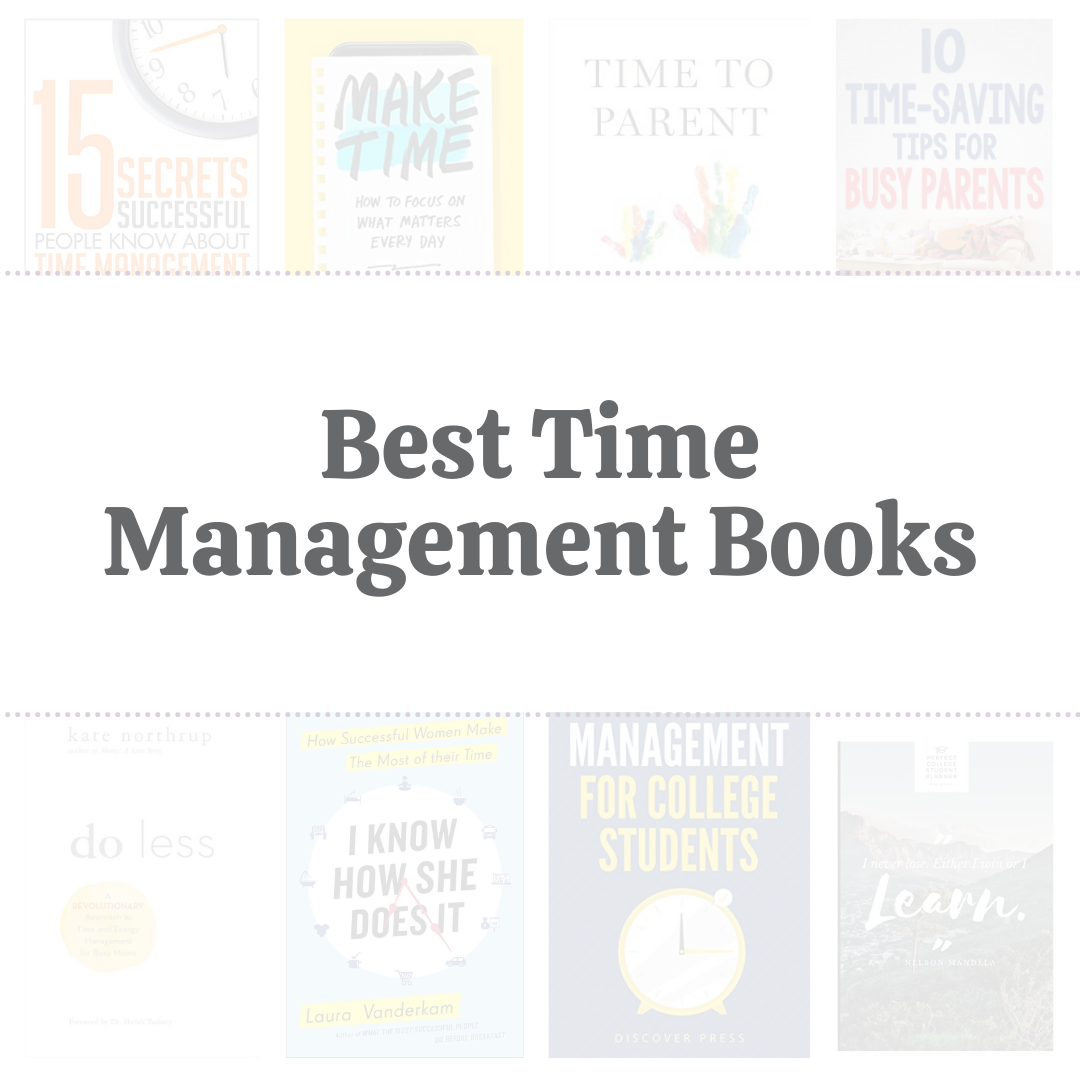
Effective reading extends beyond simply allocating time. Optimizing your reading sessions involves techniques for enhanced focus and concentration, strategies to minimize distractions, and choosing environments that support deep engagement. This approach leads to a more enriching and efficient reading experience, enabling you to absorb information more effectively and retain it better.Careful selection of reading environment and techniques significantly impacts the quality of your reading experience.
By strategically optimizing your sessions, you can cultivate a more productive and enjoyable relationship with the written word.
Maximizing Focus and Concentration
Effective concentration during reading sessions is crucial for comprehension and retention. Implementing strategies that encourage focus is vital. Techniques such as the Pomodoro Technique, where you work in focused intervals with short breaks, can prove beneficial. Active recall, where you test your understanding of the material, can significantly enhance comprehension and memory. Employing these techniques will result in greater engagement and understanding of the material.
Minimizing Distractions
Minimizing distractions is essential for maintaining focus. Turning off notifications on your phone, using website blockers, and creating a dedicated reading space can significantly reduce interruptions. Choosing a quiet environment, free from loud noises or interruptions, is often crucial for focused reading. Consider creating a dedicated reading space where you associate a sense of tranquility and concentration with the act of reading.
Different Environments Conducive to Focused Reading
Selecting the right environment significantly impacts your ability to concentrate. Libraries, often associated with quietude and focus, offer a serene atmosphere for many. Home environments, while potentially more comfortable, can be susceptible to distractions. Coffee shops, with their blend of stimulation and ambient noise, can be a good choice for some readers, provided the noise level is manageable.
Individual preferences and sensitivities to different environments should be considered.
Tools and Apps for Managing Reading Time
Numerous tools and apps can assist in managing reading time and maximizing focus. Apps like Goodreads can help track your reading progress and discover new books. Digital note-taking apps can aid in annotating and highlighting key passages, enhancing your engagement with the text. Dedicated reading apps, such as Kindle, can provide customizable settings to optimize reading comfort and focus.
Tools like these can streamline your reading experience.
Comparison of Reading Environments
| Environment | Pros | Cons |
|---|---|---|
| Library | Quiet, conducive to focus, access to resources | Potentially crowded, limited personal space, specific rules to follow |
| Home | Comfortable, personalized space, flexibility | Potential for distractions, less conducive to complete focus if not structured |
| Coffee Shop | Stimulating environment, good for breaks between sessions, access to beverages and snacks | Noise can be distracting, unpredictable atmosphere, potential for interruptions |
Managing Reading Goals and Progress
Effective reading involves not only optimizing sessions but also establishing clear goals and tracking progress. This allows for a more structured and rewarding reading experience, ensuring that your efforts are aligned with your aspirations and time constraints. A well-defined system for managing your reading goals and progress is crucial for maintaining motivation and achieving your desired reading outcomes.A comprehensive approach to managing reading goals involves developing a structured system for tracking progress, setting realistic goals, and breaking down larger projects into smaller, manageable tasks.
This strategy fosters a sense of accomplishment and encourages sustained engagement with reading.
Developing a Reading Progress Tracking System
A well-structured system for tracking reading progress is essential for maintaining motivation and evaluating progress. This system can range from a simple notebook to a sophisticated digital application, catering to individual preferences and needs. Crucially, this system should allow you to monitor key aspects of your reading journey.
- Record the number of pages read daily or weekly.
- Document the completion of each book, noting the genre and estimated time spent on each.
- Categorize books by genre, helping you explore a wider range of interests and identify trends in your reading habits.
- Include a brief review or reflection on each book to further engage with the material and enhance memory retention.
Setting Realistic Reading Goals
Setting realistic reading goals is paramount to avoiding frustration and burnout. Unrealistic goals can lead to discouragement and abandonment of the reading habit. Instead, establish goals that are attainable and aligned with your available time and reading capacity.
- Begin with manageable goals, gradually increasing the intensity as you become more comfortable and consistent.
- Consider factors such as your current reading speed and the length of the books you typically choose.
- Factor in other commitments and allocate realistic time slots for reading.
- Avoid overwhelming yourself with excessive goals, focusing on consistent progress over rapid achievement.
Breaking Down Large Reading Projects
Large reading projects, such as completing a series or a significant non-fiction work, can feel daunting. Breaking these projects into smaller, more manageable tasks makes the process less intimidating and more achievable. This approach fosters a sense of accomplishment with each completed segment, keeping you motivated throughout the entire reading journey.
- Divide a lengthy novel into smaller, weekly reading targets.
- Set milestones, such as completing a particular chapter or section, to mark progress and provide motivation.
- Celebrate small victories along the way to maintain enthusiasm and sustain the reading habit.
- Adjust your goals and strategies as needed to ensure alignment with your current pace and circumstances.
Reading Goal Types and Benefits
A structured approach to setting reading goals enhances focus and effectiveness. This table Artikels various goal types and their associated benefits:
| Goal Type | Description | Benefits |
|---|---|---|
| Pages per Day | Setting a daily page target for consistent progress. | Promotes daily reading engagement and steady progress through a book. |
| Books per Month | Aiming to complete a certain number of books within a month. | Encourages exploration of diverse genres and builds a broader reading repertoire. |
| Genre Exploration | Focusing on completing books within specific genres. | Expands reading horizons and allows deeper dives into preferred subjects. |
| Time Commitment | Allocating a specific time slot for reading each day. | Instills discipline and creates a routine, leading to better reading habits. |
Utilizing Time Management Techniques
Effective time management is crucial for achieving any goal, including consistent reading. By strategically incorporating reading into your schedule, you can maximize your engagement with books and enhance your overall learning experience. This involves understanding your reading habits, setting realistic goals, and employing techniques that fit your lifestyle. Prioritizing reading within a structured schedule fosters a sustainable reading routine, promoting long-term engagement and deeper comprehension.Time management principles, when applied to reading, provide a framework for efficient and enjoyable book engagement.
This involves recognizing that reading, like other activities, demands dedicated time and focused attention. By implementing specific strategies, readers can optimize their reading sessions and maximize the benefits derived from their chosen literary works. This approach helps ensure that reading becomes a rewarding and integrated part of your daily life.
Prioritizing Reading in Your Schedule
Establishing reading as a priority in your schedule is fundamental to consistent progress. This involves understanding your current commitments and allocating dedicated time slots specifically for reading. Consider your personal schedule and identify the times when you’re most alert and focused. Scheduling reading time alongside other commitments helps to maintain a balanced and productive lifestyle. This proactive approach ensures that reading is not an afterthought, but a deliberate and meaningful part of your routine.
Time Management Methods for Reading
Various time management techniques can be adapted for reading. Understanding the strengths and weaknesses of each method allows for tailored implementation. The Pomodoro Technique, for example, involves focused bursts of reading activity followed by short breaks. This approach can be particularly useful for tackling lengthy texts or when concentration wanes. Time blocking, another effective method, involves scheduling specific time slots for reading, treating it as an important appointment.
Both methods, when applied thoughtfully, can help optimize reading sessions.
Applying the Pomodoro Technique to Reading
The Pomodoro Technique is a time management method that involves working in focused intervals, typically 25 minutes, followed by short breaks. This structured approach helps maintain concentration and prevent burnout. When applying the Pomodoro Technique to reading, one might set a timer for 25 minutes of focused reading and then take a 5-minute break. Repeating this cycle allows for consistent engagement with the material without the strain of extended periods of uninterrupted reading.
This structured approach can enhance focus and comprehension, preventing the common problem of losing concentration during longer reading sessions.
Applying Time Blocking to Reading
Time blocking is a time management technique where specific time slots are allocated for different activities. This structured approach helps to prioritize tasks and ensure that they are given the necessary attention. When applied to reading, time blocking involves scheduling specific time slots in your calendar solely for reading. For instance, you might block off 30 minutes each morning for reading fiction or an hour on weekends for non-fiction.
This structured approach helps maintain a consistent reading routine, making it an integral part of your daily or weekly schedule.
Comparing and Contrasting Time Management Techniques
The Pomodoro Technique is particularly effective for maintaining focus during shorter periods of reading, while time blocking excels at integrating reading into a pre-defined schedule. The Pomodoro Technique allows for flexibility and adjustment depending on the reading material and individual needs. Time blocking, however, is more suitable for readers who prefer a structured and pre-determined reading schedule. The choice of technique ultimately depends on individual preferences and reading habits.
Self-Discipline in Maintaining a Reading Schedule
Self-discipline plays a vital role in maintaining a consistent reading schedule. It involves commitment, motivation, and the ability to stick to the established reading routine. Self-discipline helps overcome procrastination and maintain a structured reading regimen, regardless of distractions or temptations. Cultivating this quality ensures that reading remains a consistent and enriching part of one’s lifestyle.
Dealing with Interruptions and Procrastination

Maintaining a consistent reading schedule can be challenging, often disrupted by unforeseen circumstances and the allure of other tasks. Effectively managing interruptions and overcoming procrastination are crucial for achieving reading goals. This section Artikels strategies to mitigate these common obstacles.Successful reading hinges on a dedicated approach, including strategies to minimize disruptions and bolster motivation. Understanding the root causes of procrastination and interruptions allows for the development of personalized solutions.
Identifying and addressing personal obstacles can significantly enhance the reading experience.
Strategies for Handling Interruptions
Interruptions are inevitable parts of daily life. Recognizing the types of interruptions that commonly occur allows for the implementation of targeted strategies. Effective strategies for managing interruptions include establishing clear boundaries, using dedicated spaces, and employing techniques to minimize distractions.
- Designate a Reading Zone: A dedicated space, free from distractions, fosters a conducive environment for uninterrupted reading. This designated area should be comfortable, quiet, and well-lit. Personalizing the space with familiar elements can also contribute to a sense of comfort and motivation.
- Utilize Noise-Canceling Headphones or White Noise: External noises can significantly disrupt focus. Employing noise-canceling headphones or ambient white noise can create a more focused atmosphere, reducing distractions and enhancing concentration.
- Establish Clear Boundaries: Communicating reading time commitments to household members or colleagues can help minimize interruptions during scheduled reading sessions. Setting clear expectations and boundaries is essential for maintaining focus and achieving reading goals.
- Employ the Pomodoro Technique: The Pomodoro Technique, which involves focused work periods followed by short breaks, can be adapted to reading sessions. This technique helps to maintain concentration while also accommodating the need for short breaks to avoid burnout.
Methods for Overcoming Procrastination
Procrastination is a common obstacle to achieving reading goals. Identifying the underlying causes of procrastination is the first step in developing effective countermeasures. Addressing the root causes of procrastination often involves understanding personal triggers and developing coping mechanisms.
- Identify Your Triggers: Understanding what situations or activities trigger procrastination is key to developing effective countermeasures. Journaling about instances of procrastination and noting the associated factors can be helpful in identifying patterns.
- Break Down Large Tasks into Smaller Steps: Large reading goals can be overwhelming, leading to procrastination. Breaking down the overall goal into smaller, more manageable steps can make the task less daunting and more achievable. This incremental approach can foster a sense of accomplishment and maintain motivation.
- Reward Yourself: Establishing a system of rewards for achieving reading milestones can help maintain motivation and momentum. Rewards can be anything from small treats to more substantial rewards, depending on individual preferences and priorities.
- Prioritize Reading Sessions: Treating reading time as an important appointment, similar to other commitments, can increase its perceived value and importance. This conscious prioritization helps to reduce procrastination and instill a sense of responsibility towards the reading schedule.
Identifying and Addressing Personal Obstacles
Personal obstacles to reading can stem from various sources. Addressing these obstacles is crucial for sustained reading habits. Addressing these issues, such as lack of time or external pressures, often requires a combination of strategic planning and realistic self-assessment.
- Lack of Time: Finding time for reading can be challenging in a busy schedule. Strategic time management techniques, such as scheduling reading sessions, can help to allocate dedicated time for reading. Prioritizing reading time alongside other commitments is essential for maintaining a consistent reading routine.
- External Pressures: External pressures, such as work or family obligations, can impact reading habits. Negotiating responsibilities and prioritizing reading time alongside other commitments can help mitigate the impact of these pressures.
Common Procrastination Triggers and Countermeasures
Procrastination often stems from specific triggers. Recognizing and addressing these triggers with tailored countermeasures can significantly improve reading habits. Understanding these triggers and developing appropriate countermeasures can create a more effective reading experience.
| Procrastination Trigger | Countermeasure |
|---|---|
| Fear of Failure | Focus on the process, not the outcome. Celebrate small successes. |
| Perfectionism | Set realistic goals. Accept that imperfection is part of the learning process. |
| Lack of Interest | Explore different genres or find a reading buddy. |
| Distractions | Create a dedicated reading space. Use noise-canceling headphones. |
| Overwhelm | Break down large tasks into smaller, manageable steps. Prioritize tasks. |
Choosing the Right Books and Genres
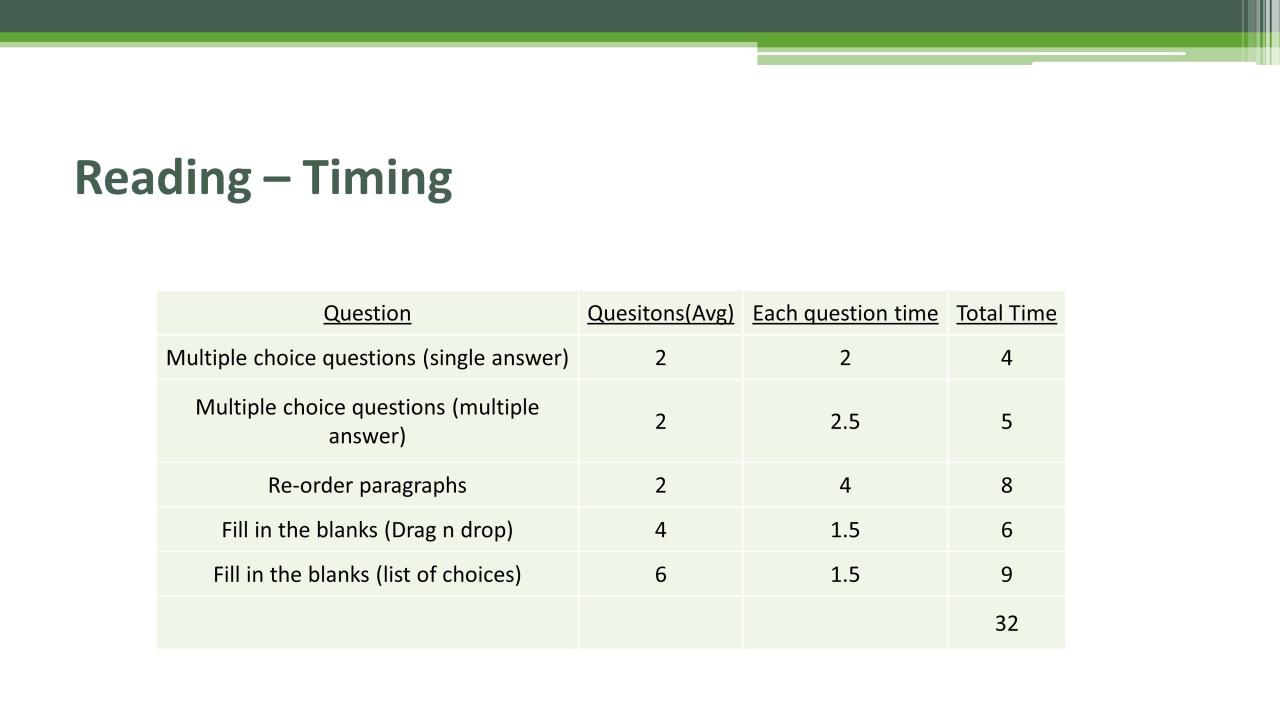
Selecting books that align with your interests and reading preferences is crucial for a fulfilling and effective reading experience. Choosing books that genuinely excite you will foster a deeper engagement with the material, increasing your motivation and improving your overall reading experience. This, in turn, contributes to better time management as you are more likely to stick with a book you enjoy.Understanding the nuances of different genres and tailoring your reading schedule to accommodate them can significantly impact your ability to meet your reading goals.
This approach involves not only recognizing the varying time commitments required by different genres but also appreciating how specific genres can enhance your overall reading experience.
Factors to Consider When Selecting Books
Choosing books that align with your interests is paramount for maintaining a positive and productive reading experience. Consider your existing knowledge base, preferred themes, and desired learning outcomes. Exploring genres you’ve enjoyed previously can help you identify similar books that may spark your interest. Researching author reviews and book summaries can provide insights into the content and style of a book, helping you make an informed decision.
Importance of Choosing Books That Align with Your Interests
Reading books that resonate with your interests significantly enhances your reading experience. Engaging content keeps you motivated, making it easier to dedicate the necessary time to completing a book. This enjoyment often translates into a greater willingness to dedicate time to reading, fostering a more consistent reading habit.
Managing Time Effectively When Reading Various Genres
Different genres demand varying levels of time commitment. Fiction, with its focus on narrative and character development, often requires more sustained attention than non-fiction, which can be approached more selectively. Poetry, with its concise and evocative language, may require more focused and deliberate reading time per page, but the overall reading time can often be less than other genres.
This conscious consideration allows you to effectively manage your time across different genres.
Table: Genre-Specific Time Allocation
| Genre | Suggested Time Allocation (per book) | Explanation |
|---|---|---|
| Fiction (Novels) | 1-3 hours/day | Engrossing narratives often demand more focused attention. |
| Non-fiction (Biographies, Self-Help) | 30 minutes – 1 hour/day | These can be approached more selectively, focusing on key sections. |
| Poetry | 15 minutes – 45 minutes/day | Appreciating the poetic form and language requires focused, contemplative reading. |
| Academic Texts/Research | 1-2 hours/day | Thorough comprehension and analysis may require significant time investment. |
| Graphic Novels/Comics | 30 minutes – 1.5 hours/day | Visually rich narratives often allow for quicker engagement. |
Reading While Working or Studying

Integrating reading into a busy schedule, especially when juggling work or study, requires strategic planning and efficient time management. Finding pockets of time for reading, even short bursts, can significantly enhance learning and personal growth. This section explores techniques for seamlessly incorporating reading into your existing routine, maximizing your reading efficiency during limited periods, and dealing with the inevitable interruptions.Effective reading while working or studying necessitates recognizing that short, focused sessions are often more productive than lengthy, uninterrupted ones.
The key is to leverage existing routines and allocate specific, dedicated time slots for reading.
Strategies for Fitting Reading into a Busy Schedule
Consistent integration of reading into your schedule is crucial. To do this, consider the following:
- Identify time blocks:
- Schedule dedicated reading sessions during breaks, before or after work, or during commute time.
- Prioritize reading during moments of low activity.
- Allocate 15-30 minutes for reading during your lunch break.
These structured time blocks allow you to maintain a consistent reading habit, even amidst a demanding schedule.
Methods for Integrating Reading into Your Study or Work Routine
Efficiently integrating reading into your study or work routine involves a proactive approach. Consider the following methods:
- Reading during commute:
- Listen to audiobooks during your commute to maximize your time.
- Combine reading with other activities:
- Read while waiting in line, or during short downtime.
- Utilize multi-tasking:
- If possible, listen to an audiobook while working or studying.
- Read summaries or reviews before diving into a book:
- Gain a better understanding of the book’s content and main arguments.
These methods make reading a more active and integrated part of your daily routine.
Strategies for Reading Efficiently During Limited Time Periods
When time is limited, focusing on efficient reading techniques is essential. The following strategies can help you maximize your reading during short periods:
- Employ the Pomodoro Technique:
- Focus on short, intense reading sessions followed by short breaks.
- Set clear goals:
- Establish specific reading goals for each session to stay motivated.
- Skimming and scanning:
- Quickly identify key information in a text, allowing you to grasp the main points.
- Active reading techniques:
- Highlight key passages, take notes, and ask questions to actively engage with the text.
By using these techniques, you can maintain focus and comprehension even during brief reading sessions.
Tips for Incorporating Reading into Your Workday
“Reading is a form of traveling that costs nothing.” -Unknown
- Use spare moments: Incorporate short reading sessions into your workday by reading during commutes, lunch breaks, or while waiting for appointments.
- Create a dedicated reading space: Even a small, quiet corner can provide a conducive environment for focused reading.
- Set realistic goals: Aim for small, achievable reading goals to maintain motivation and prevent burnout.
- Use a timer: Set a timer for your reading sessions to maintain focus and prevent over-extension.
- Track your progress: Keeping track of your reading can help maintain momentum and identify areas for improvement.
These tips offer practical strategies to incorporate reading into your busy work schedule.
Reading with Children or Others

Sharing the joy of reading with children, or other individuals, significantly enriches the experience for everyone involved. It fosters a love of literature, encourages intellectual curiosity, and strengthens family bonds. This collaborative approach to reading can be a powerful tool for personal and communal growth.
Incorporating Reading into Family Routines
Establishing consistent reading times within family schedules is crucial for developing a love of reading. These established routines create a predictable environment where reading becomes an integral part of daily life. Consistency reinforces the importance of reading and creates positive associations with the activity.
- Designate specific times for family reading sessions, incorporating them into the daily schedule. This could be during a particular time slot each evening, or during a specific period after dinner. Consistency in these slots helps children anticipate and appreciate the reading time.
- Involve all family members in the reading process. If possible, make reading time a shared experience, where each member contributes in some way. For instance, one person can read aloud, while others provide commentary or discussion about the content.
- Create a dedicated reading nook or corner in the home. This designated space will signal the importance of reading and serve as a special place for quiet contemplation and enjoyment.
Making Reading Time Enjoyable for Children
Creating a positive and engaging reading environment can significantly impact a child’s enjoyment of the activity. The environment should encourage exploration and discovery, fostering a genuine interest in the stories.
- Choose books that align with the child’s interests and developmental stage. Selecting books that spark curiosity and capture their imagination will significantly increase their engagement.
- Encourage interactive reading sessions. Ask questions about the characters, plot, and setting to keep children actively involved in the story. Make reading a dialogue, not a monologue. Encourage children to make predictions, and to share their interpretations of the story.
- Incorporate various reading formats. Don’t limit yourselves to traditional print books. Explore audiobooks, graphic novels, or online resources that cater to different learning styles and preferences. This variety can help to keep the reading experience fresh and exciting.
Motivating Children to Read Independently
Encouraging independent reading habits is a key aspect of fostering a lifelong love of reading. This empowers children to explore stories on their own terms and at their own pace.
- Provide access to a wide range of books. Ensure that the child has a diverse collection of books at their disposal, covering various genres and themes. This allows them to discover their own interests and preferences.
- Create a supportive and encouraging environment for independent reading. Allow the child to choose their own books, fostering a sense of ownership and autonomy. Ensure that the child knows that it is okay to express their opinions about the books they read. Create a safe space for exploration.
- Celebrate reading milestones. Recognize and reward the child’s efforts and achievements in reading. Acknowledge and praise their progress, whether it’s finishing a book or reading for a certain amount of time. Positive reinforcement can be a powerful motivator.
Scheduling Family Reading Time
Developing a structured schedule for family reading time can maximize its impact. This ensures that everyone gets to participate, while respecting individual preferences.
- Establish a consistent time for family reading sessions. This could be a specific time slot each day or week. Maintaining a regular schedule allows everyone to anticipate and look forward to reading time.
- Allow for flexibility in the reading material. Offer choices for the books that are read. This ensures that everyone can participate and choose books they enjoy. Encourage the children to pick books that they are interested in.
- Incorporate different types of reading activities into the schedule. This might include audiobooks, interactive reading sessions, or reading aloud. Allowing for a variety of activities keeps the reading time engaging and enjoyable for everyone.
Enhancing Reading Comprehension
Improving comprehension is crucial for maximizing the benefits of reading. Effective strategies for understanding and retaining information from books are essential for successful learning and personal growth. By employing active reading techniques, thoughtful note-taking, and strategic review methods, readers can significantly enhance their comprehension and knowledge retention.
Techniques for Improving Comprehension
Understanding the author’s perspective and the overall message of a text is key to improving comprehension. This involves actively engaging with the material, questioning assumptions, and seeking connections between different ideas. Techniques such as summarizing, paraphrasing, and identifying key concepts help readers process and retain information more effectively. Readers can also improve their comprehension by using prior knowledge to connect new information to existing schemas and by using context clues to understand unfamiliar words and phrases.
A deep understanding of the author’s style, purpose, and intended audience can also contribute to a more profound comprehension.
Strategies for Taking Effective Notes
Effective note-taking is a critical skill for enhancing reading comprehension. Well-organized notes can serve as a valuable tool for reviewing and recalling information. Instead of simply copying down passages, readers should focus on summarizing key ideas, concepts, and arguments. Creating visual aids, such as mind maps or diagrams, can also help to connect ideas and enhance memory.
By actively engaging with the text through annotation, highlighting, and summarizing, readers can develop a more thorough understanding and improve their ability to recall information.
Methods for Reviewing and Retaining Information
Reviewing and retaining information from books requires a strategic approach. Regular spaced repetition is an effective method for improving memory retention. Revisiting key concepts and ideas at increasing intervals strengthens memory traces. This could involve creating flashcards, using spaced repetition software, or scheduling regular review sessions. Summarizing the main points in your own words, connecting new information to prior knowledge, and actively applying the information to real-world situations also significantly contribute to retention.
Questions to Ask Yourself During Reading
Asking pertinent questions during the reading process fosters active engagement and deeper comprehension. Asking questions like “What is the author’s main point?”, “What evidence supports this claim?”, “How does this relate to what I already know?”, and “What are the implications of this information?” encourages critical thinking and strengthens understanding. This process actively connects the reader with the text, leading to a more thorough and memorable experience.
By anticipating questions and formulating responses, readers can solidify their understanding and retention of the material.
Wrap-Up
In conclusion, successfully managing your time for reading is a multifaceted process. By creating a structured reading routine, optimizing your reading sessions, setting achievable goals, and utilizing effective time management techniques, you can cultivate a lifelong love for reading. This guide provides a roadmap for integrating reading into various aspects of your life, from your daily routine to your personal goals.
Ultimately, consistent and mindful reading, coupled with effective time management, can enhance your comprehension, knowledge, and overall well-being.