Unlock your time management potential with the Pomodoro Technique. This powerful method, built on focused work intervals and strategic breaks, helps you conquer tasks and boost productivity. Learn how to harness this time management system for enhanced efficiency, whether you’re tackling a complex project or simply managing daily tasks.
From understanding the core principles to adapting the technique to your unique work style, this comprehensive guide provides practical strategies and tools to optimize your workflow and achieve remarkable results. Discover how to effectively plan, implement, and adapt the Pomodoro Technique for lasting productivity gains.
Introduction to Pomodoro Technique
The Pomodoro Technique is a time management method that emphasizes focused work sessions followed by short breaks. It’s designed to improve concentration and productivity by structuring the workday into manageable chunks. This structured approach can be particularly beneficial for individuals who struggle with sustained focus or find themselves easily distracted.The technique derives its name from the Italian word for “tomato,” as the inventor, Francesco Cirillo, used a kitchen timer shaped like a tomato to track his work sessions.
This simple yet effective method has since gained widespread popularity and adaptation across various industries and professions.
Core Principles of the Pomodoro Technique
The Pomodoro Technique revolves around a cycle of focused work followed by a short break, repeated several times throughout the workday. This cyclical structure helps maintain concentration and prevents burnout. It encourages a consistent work rhythm and reduces the mental fatigue that often accompanies prolonged work sessions.
Typical Pomodoro Structure
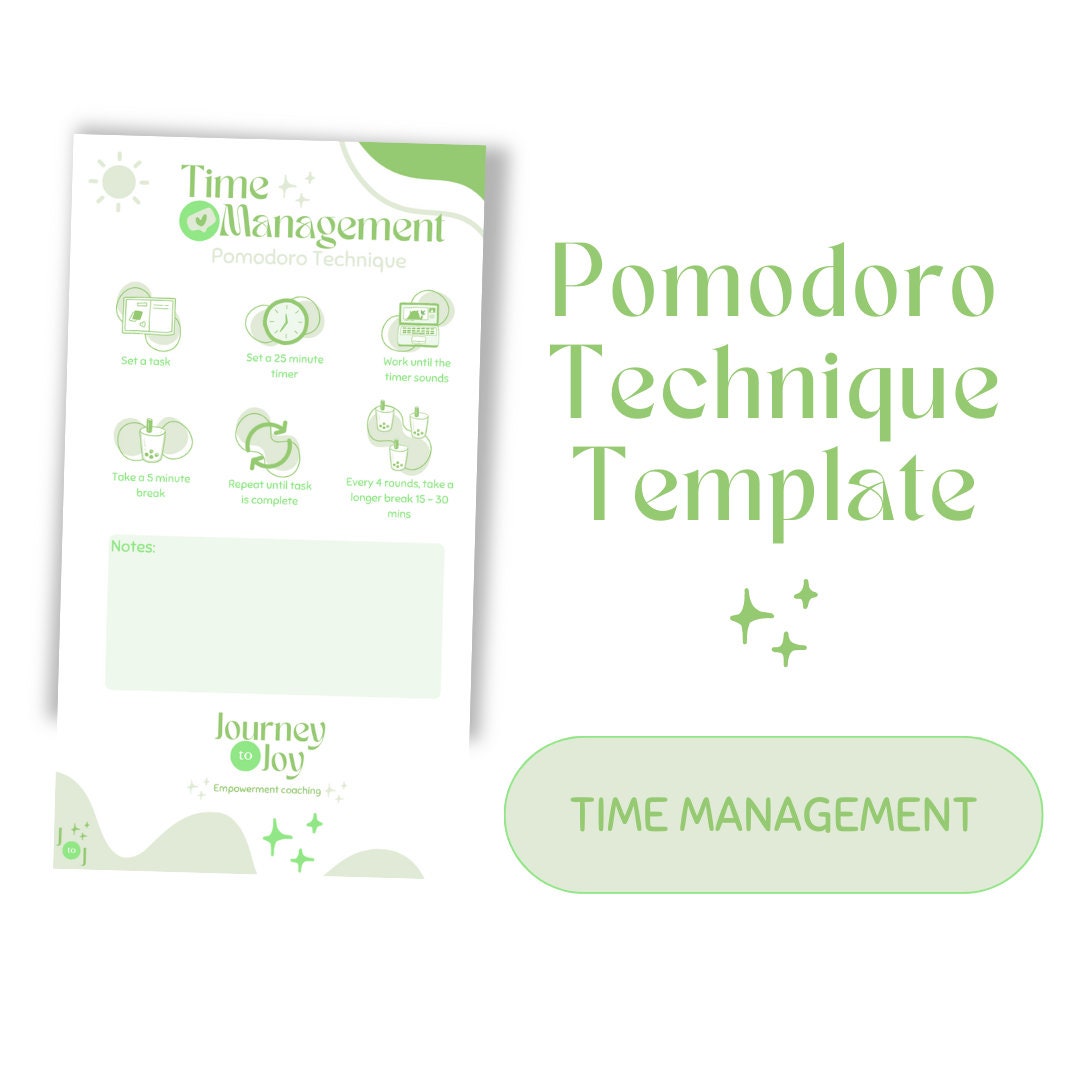
A typical Pomodoro cycle consists of a 25-minute work session, followed by a 5-minute break. After four Pomodoros, a longer 15-minute break is taken. This structure allows for periods of focused work interspersed with short breaks to recharge and prevent mental fatigue. This rhythm is crucial for maintaining optimal performance throughout the workday.
Variations of the Pomodoro Technique
The fundamental Pomodoro structure can be adapted to suit individual needs and preferences. Different variations cater to varying work styles and personal preferences.
| Variation | Work Session | Short Break | Long Break |
|---|---|---|---|
| Standard | 25 minutes | 5 minutes | 15 minutes after 4 Pomodoros |
| Short Breaks | 25 minutes | 3 minutes | 15 minutes after 4 Pomodoros |
| Extended Work Sessions | 45 minutes | 10 minutes | 20 minutes after 4 Pomodoros |
| Customized Breaks | Variable | Variable | Variable |
These variations provide flexibility and allow users to tailor the technique to their individual needs and preferences. For instance, someone with a highly demanding task might benefit from extended work sessions, while someone easily distracted might find the short-break variation more suitable. The customization allows for a more personalized approach to time management.
Planning and Time Management

Effective time management is crucial for maximizing productivity and achieving goals. The Pomodoro Technique, while focused on focused work intervals, benefits greatly from a structured approach to daily scheduling and task prioritization. This structured approach ensures that tasks are tackled efficiently and that time is allocated appropriately for both work and breaks.A well-designed schedule, incorporating the Pomodoro Technique, allows for a clear and concise plan for the day, maximizing efficiency.
Prioritization ensures that critical tasks are addressed first, leading to a greater sense of accomplishment and reduced stress. Breaking down large projects into smaller, manageable Pomodoro sessions allows for sustained focus and prevents feelings of being overwhelmed.
Creating a Daily Schedule
A well-structured daily schedule is a cornerstone of effective time management. It provides a framework for organizing tasks and allocating time efficiently. This structure allows for integration of the Pomodoro Technique, ensuring focused work intervals are interspersed with necessary breaks. This strategy enhances focus and prevents burnout.
- Begin by identifying all tasks for the day. This comprehensive list encompasses both work and personal commitments.
- Prioritize tasks based on urgency and importance using methods like the Eisenhower Matrix. This prioritization helps allocate time effectively, focusing on high-impact tasks first.
- Allocate specific time slots for each task within the schedule. This structured allocation ensures that tasks receive adequate attention and that time is not wasted on less critical activities.
- Include designated Pomodoro intervals within the schedule. This structure facilitates focused work blocks interspersed with short breaks. The optimal duration for Pomodoro intervals and breaks should be determined according to individual preferences and needs.
Identifying and Prioritizing Tasks
Identifying and prioritizing tasks is critical for effective time management. The proper prioritization of tasks ensures that the most important and urgent tasks receive the most attention and time.
- Employ a prioritization matrix (like the Eisenhower Matrix) to classify tasks based on urgency and importance. This matrix categorizes tasks into urgent/important, important/not urgent, urgent/not important, and not urgent/not important. This classification aids in assigning the right amount of time to each task.
- Consider deadlines and dependencies when prioritizing. This crucial step ensures that tasks are addressed in a way that respects the schedule and the interconnectedness of various tasks.
- Break down large projects into smaller, more manageable tasks. This approach allows for a more focused and less overwhelming approach to tackling complex projects.
Breaking Down Large Projects
Breaking down large projects into smaller, manageable Pomodoro sessions is essential for maintaining focus and preventing overwhelm. This strategy allows for a more sustainable approach to tackling complex projects.
- Divide the project into smaller, achievable sub-tasks. This segmentation ensures that the project’s overall complexity is reduced, making it less intimidating and easier to manage.
- Estimate the time required for each sub-task and allocate appropriate Pomodoro sessions. This careful estimation allows for a balanced distribution of time, ensuring that adequate time is allocated for each task.
- Establish clear milestones and checkpoints for each Pomodoro session. This structure provides clear targets for each session, making progress visible and motivating.
Comparing Time Management Methods
A comparison of the Pomodoro Technique with other popular time management methods can provide a broader perspective.
| Feature | Pomodoro Technique | Time Blocking | Getting Things Done (GTD) |
|---|---|---|---|
| Focus | Focused work intervals with breaks | Allocated time slots for specific tasks | Organizing tasks for prioritization and action |
| Structure | Repetitive intervals | Scheduled blocks | Hierarchy of tasks |
| Flexibility | Structured but adaptable | Highly structured | Highly flexible |
| Suitable for | Tasks requiring sustained focus | Variety of tasks | Large and complex projects |
Implementing the Technique
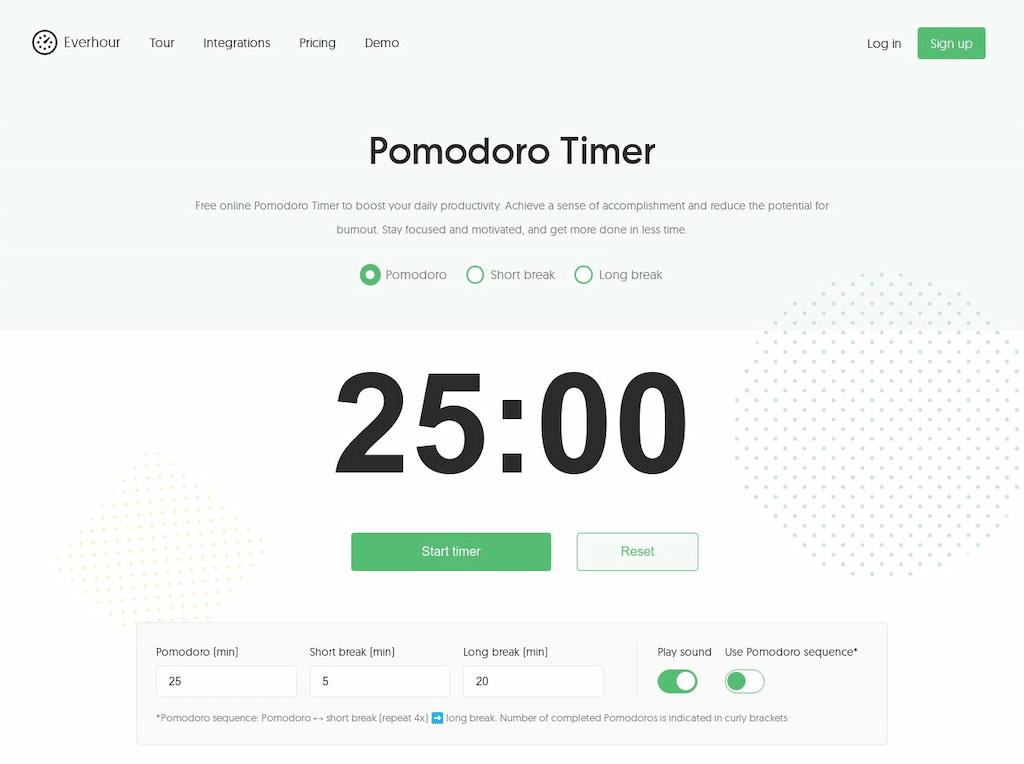
Putting the Pomodoro Technique into practice involves a structured approach to time management. It’s not about rigid adherence, but rather a flexible framework that adapts to your workflow. Understanding how to effectively set up your timer, maintain focus, and manage distractions is key to reaping the benefits of this method.Effective implementation hinges on a clear understanding of the Pomodoro structure.
This involves setting specific time blocks for focused work and short breaks, allowing for optimal productivity and preventing burnout. By consistently adhering to the schedule, you train your brain to enter and exit focused work states efficiently.
Setting Up the Pomodoro Timer
A crucial aspect of implementing the Pomodoro Technique is the proper use of a timer. A simple kitchen timer or a dedicated app can be utilized. Setting the timer for 25 minutes signifies the start of a focused work session. Visual cues like a distinct alarm sound can be beneficial. Using a timer is not merely about counting time; it’s about establishing a clear structure for your work and rest cycles.
Utilizing the Timer Effectively
The timer serves as a guide to structure your work. When the timer rings, acknowledge the end of the work session. Note the task’s progress and plan for any outstanding items. The transition to a break is seamless and allows for a clear mental shift. This approach helps to avoid the mental clutter of unfinished work and enhances focus for the subsequent Pomodoro.
Maintaining Focus and Concentration
Maintaining focus during work sessions is a key element of the Pomodoro Technique. Minimizing distractions is crucial. Find a quiet workspace, turn off notifications, and inform others of your need for uninterrupted time. A dedicated workspace, free from interruptions, will facilitate focus and concentration. A dedicated workspace aids in reducing distractions, promoting focus, and enhancing productivity.
Handling Distractions and Interruptions
Distractions are inevitable. To mitigate their impact, develop a strategy to address them. Use techniques like the “Do Not Disturb” feature on your phone or computer. Inform colleagues or family members about your need for focused time. Implement a system to address interruptions when they arise.
This might involve scheduling a specific time to check emails or respond to messages.
Structuring Breaks
Effective breaks are essential to prevent burnout and maintain focus. Short, active breaks are often more beneficial than long, passive ones. A short walk, stretching, or listening to music can be incorporated. Breaks are not a time to engage in extensive work or tasks; instead, they are a time for rest and rejuvenation. Active breaks allow for a mental shift and help prevent mental fatigue.
| Break Type | Description | Example |
|---|---|---|
| Short Active Break | Brief physical activity to recharge | A 5-minute walk around the block, a quick stretching routine, or a few minutes of light exercise. |
| Longer Active Break | More substantial physical activity or mental engagement | A 15-minute workout, a short walk in nature, or engaging in a hobby. |
| Passive Break | Relaxation without physical activity | Listening to music, meditating, or reading a book. |
Breaks should be focused on rest and rejuvenation, not on more work.
Adapting and Customizing

The Pomodoro Technique, while a powerful time management tool, isn’t a one-size-fits-all solution. Successfully integrating it into your workflow requires flexibility and tailoring to your individual preferences and work style. This section explores how to adjust the technique to accommodate diverse task types and project requirements.Effective implementation hinges on understanding how to adapt the standard Pomodoro structure to suit various work styles and preferences.
This adaptability is key to maximizing the technique’s effectiveness. The goal is not to rigidly adhere to the technique but to use it as a flexible framework that supports your productivity.
Adjusting for Different Work Styles
Different individuals have varying cognitive profiles, impacting how they absorb information and complete tasks. Some thrive under focused bursts of activity, while others benefit from shorter work sessions with more frequent breaks. Recognizing these differences is crucial for customizing the Pomodoro Technique. Consider adjusting the work and break durations to match your natural energy cycles. For example, if you find yourself losing focus after 25 minutes, reduce the work interval to 20 minutes.
Conversely, if you consistently find yourself finishing tasks before the 25-minute mark, you may consider increasing the work interval.
Handling Non-Standard Tasks
Not all tasks fit neatly into the 25-minute work, 5-minute break structure. Certain projects or tasks, such as complex problem-solving or creative work, may require more extended focused periods. In these situations, the Pomodoro structure can be modified. For example, a 45-minute work session might be more suitable for tackling complex problem-solving. Or, if a task involves multiple stages requiring specific focus, the work sessions could be divided into shorter bursts, each with a corresponding break.
Tailoring to Project Requirements
Project complexity often dictates the level of focus and intensity required. A crucial aspect of adapting the Pomodoro Technique is recognizing the different phases of a project. Initial stages might require more focused, intensive sessions, while later stages may necessitate more collaboration and less uninterrupted work. For example, when a project requires research, longer work sessions may be needed.
However, when a project necessitates collaborative discussions or meetings, shorter work sessions with more frequent breaks can be employed.
Modifying the Pomodoro Technique Table
| Task Type | Work Session (minutes) | Break Session (minutes) | Rationale |
|---|---|---|---|
| Complex Problem Solving | 45 | 10 | Allows for deeper concentration on intricate issues. |
| Creative Tasks | 30 | 7 | Encourages flow and inspiration. |
| Research | 50 | 10 | Provides ample time for in-depth information gathering. |
| Meetings/Collaboration | 20 | 5 | Facilitates effective collaboration and avoids extended focus fatigue. |
| Routine Tasks | 25 | 5 | Standard Pomodoro Technique. |
This table illustrates the flexibility of the Pomodoro Technique, demonstrating how to adapt it to different types of tasks. The table highlights how the technique’s components can be adjusted to suit the demands of each task, improving efficiency and maintaining focus.
Overcoming Challenges
Implementing the Pomodoro Technique, while highly effective, can present challenges. Understanding these obstacles and developing strategies to address them is crucial for sustained success. This section will explore common hurdles and provide actionable steps to overcome procrastination, maintain motivation, and manage feelings of overwhelm or burnout, ultimately fostering consistency in your time management practice.
Common Implementation Obstacles
The Pomodoro Technique, like any new habit, requires adaptation and persistence. Some individuals may face difficulties initially, leading to frustration and abandonment of the method. Understanding the typical challenges is the first step to addressing them effectively.
- Procrastination is a common enemy of productivity. Individuals may find it challenging to initiate tasks or focus during their work periods. This often stems from fear of failure, lack of clarity about the task, or simply a preference for immediate gratification.
- Maintaining focus can be demanding, especially in distracting environments. External factors such as interruptions, social media notifications, or other commitments can disrupt concentration, making it hard to complete a Pomodoro.
- Motivation can fluctuate. Maintaining consistent enthusiasm throughout the day or week can be difficult. Individuals may experience periods of low energy or reduced motivation, affecting their commitment to the technique.
- Burnout is a potential concern, particularly if the Pomodoro Technique is not implemented effectively or if individuals are not taking sufficient breaks. Overworking and neglecting self-care can lead to feelings of exhaustion and a decrease in productivity.
- Consistency is a key element of success. Establishing a regular routine can be challenging, especially when dealing with unpredictable schedules or unexpected commitments.
Strategies for Overcoming Procrastination
Procrastination is a common barrier to productivity. Several techniques can be employed to combat procrastination and initiate task completion.
- Breaking down large tasks into smaller, more manageable Pomodoros can reduce the feeling of overwhelm and make the task less daunting.
- Prioritizing tasks based on urgency and importance can help individuals focus on the most crucial items first.
- Establishing a clear workspace free from distractions is essential to focus on the task at hand.
- Using tools such as timers or productivity apps can help maintain focus and adherence to the Pomodoro structure.
- Setting realistic expectations and understanding that progress, not perfection, is the key to success, can be helpful.
Managing Feelings of Overwhelm and Burnout
Overwhelm and burnout can result from excessive pressure or an inability to manage workload effectively. Implementing strategies for stress reduction and self-care is vital.
- Taking regular breaks is crucial for maintaining focus and preventing burnout. This includes short breaks between Pomodoros and longer breaks throughout the day.
- Prioritizing self-care activities, such as exercise, healthy eating, and sufficient sleep, is essential for maintaining energy levels and reducing stress.
- Identifying and addressing the root causes of stress can help mitigate feelings of overwhelm.
- Learning to delegate tasks when possible can free up mental space and prevent feeling overloaded.
Maintaining Consistency
Consistency is key to the long-term success of the Pomodoro Technique. Creating a sustainable routine and adjusting to unforeseen circumstances are essential.
- Creating a schedule that integrates the Pomodoro Technique into your daily routine can enhance consistency.
- Developing a supportive environment that encourages adherence to the technique can be beneficial.
- Flexibility is crucial. Adjusting the technique to accommodate unexpected events or personal needs can prevent frustration and maintain consistency.
- Regular self-assessment and adjustments to the Pomodoro structure based on individual needs can help maintain consistency over time.
Tools and Resources
The Pomodoro Technique, while fundamentally simple, can be enhanced by utilizing appropriate tools and resources. Choosing the right tools can streamline your workflow, making time management more efficient and enjoyable. This section explores various options, both free and paid, to help you optimize your Pomodoro sessions.Effective time management relies heavily on the right tools. A well-chosen tool can simplify tracking your work sessions, remind you of upcoming tasks, and provide structure for your workday.
This section provides a guide to selecting the right tools and resources for your specific needs and preferences.
Free Time Management Tools
A multitude of free time management tools can support the Pomodoro Technique. These tools often offer basic features essential for structuring work sessions and tracking progress. Free tools are ideal for those starting their time management journey or for individuals seeking a less expensive option.
- Google Calendar: A widely used platform for scheduling appointments and tasks. Google Calendar’s intuitive interface and integration with other Google services make it a convenient choice for managing your schedule. It allows for setting reminders, creating recurring events, and viewing your schedule across multiple devices.
- Toggl Track: This free time tracking software is popular for its simplicity. Toggl Track allows you to easily record work sessions and analyze your time spent on different projects, which can aid in understanding time management patterns and identifying potential improvements.
- Timer apps (various): Numerous free timer applications, available on smartphones and computers, can effectively serve as Pomodoro timers. These apps often feature customizable settings, such as break lengths and work session durations, making them suitable for individual preferences.
Paid Time Management Tools
Paid time management tools often offer more advanced features and functionalities compared to their free counterparts. They can enhance productivity by integrating with other applications and providing detailed reporting.
- Asana: Asana is a popular project management tool that helps organize tasks, set deadlines, and collaborate with others. It integrates well with the Pomodoro Technique by allowing for task categorization and assigning specific work sessions to individual projects.
- Trello: Trello, another project management platform, offers a visual approach to task management. Its use of boards, lists, and cards facilitates the organization of work related to Pomodoro sessions.
- ClickUp: ClickUp is a versatile project management tool that allows for the customization of workflows. It’s suitable for complex projects and offers integrations with other applications. Its features can enhance the structure and organization associated with the Pomodoro Technique.
Choosing the Right Tools
Selecting the appropriate time management tool hinges on individual needs and preferences. Consider factors such as project complexity, desired level of customization, and required features.
- Personal preferences: Some users prefer visual interfaces, while others prefer straightforward tools. Consider the design and features that appeal to you.
- Team collaboration: If you need to collaborate on projects, choose a tool that facilitates communication and shared access.
- Integration with other applications: Choose tools that seamlessly integrate with your existing software and systems for a streamlined workflow.
Helpful Websites and Resources
Several websites and resources offer valuable insights into time management and the Pomodoro Technique. These resources provide further knowledge and practical guidance.
- Time management blogs and articles: Numerous websites offer articles and blog posts dedicated to time management strategies, including the Pomodoro Technique.
- Online courses and workshops: Online platforms often provide courses and workshops focused on time management techniques, offering structured learning experiences.
- Community forums: Participating in online forums dedicated to productivity and time management can provide insights and support from other users.
Comparing Time Management Apps
The following table provides a comparison of various time management apps and their suitability for the Pomodoro Technique.
| App | Features | Suitability for Pomodoro |
|---|---|---|
| Google Calendar | Scheduling, reminders, recurring events | High – ideal for scheduling Pomodoro sessions |
| Toggl Track | Time tracking, project analysis | Medium – helpful for tracking time spent on tasks |
| Asana | Project management, task organization | High – allows for task categorization and prioritization |
| Trello | Visual task management, collaboration | Medium – facilitates visual organization of Pomodoro sessions |
| ClickUp | Versatile project management, workflow customization | High – allows for customized workflows and integrations |
Practical Applications
The Pomodoro Technique, while fundamentally simple, proves remarkably adaptable to various work environments and tasks. Its structured approach fosters focus and efficiency, making it valuable for diverse activities, from demanding office projects to personal creative pursuits. Understanding how to tailor the technique to different contexts maximizes its effectiveness.Implementing the Pomodoro Technique can significantly enhance productivity across diverse environments. This section will explore the technique’s application in various settings, from traditional offices to remote work, as well as its utility in personal endeavors like studying and creative tasks.
By understanding the adaptable nature of the technique, individuals can unlock its potential for optimizing their workflow.
Application in Different Work Environments
The Pomodoro Technique’s flexibility allows for effective implementation in both office and remote work settings. Its structured nature fosters focus, combating distractions inherent in both environments.
- Office Environments: In office settings, the Pomodoro Technique can be a powerful tool for managing deadlines and boosting productivity. By adhering to the 25-minute work intervals, employees can maintain focus on tasks at hand. This structured approach can be particularly useful in teams, allowing for scheduled breaks and clear communication between colleagues during designated periods. A team can establish a consistent work schedule using the technique.
- Remote Work: Remote work environments often present unique challenges related to maintaining focus and adhering to schedules. The Pomodoro Technique’s structured approach provides a framework to combat distractions. Setting clear work intervals and adhering to a consistent schedule can help remote workers stay on track and maintain productivity.
Application for Studying
The Pomodoro Technique is particularly beneficial for students, as it helps manage study sessions effectively. By breaking down study material into manageable chunks, students can maintain concentration and reduce feelings of overwhelm.
- Efficient Study Sessions: Students can apply the Pomodoro Technique to manage their study time effectively. By working in focused 25-minute intervals and taking short breaks, they can enhance their comprehension and retention of information. This approach reduces procrastination and maximizes study efficiency.
- Improved Focus and Retention: Breaking down study material into manageable chunks using the Pomodoro Technique can significantly improve concentration and retention. This structured approach allows students to focus on specific study materials without feeling overwhelmed.
Application for Creative Tasks
Creative tasks, often characterized by periods of intense focus followed by moments of ideation, can greatly benefit from the Pomodoro Technique. Its structure can help maintain flow and generate new ideas.
- Maintaining Creativity: The Pomodoro Technique provides a structured approach to managing creative tasks. The focused intervals allow for sustained effort on specific creative tasks, while the breaks provide opportunities for ideation and new perspectives. This structure can be especially helpful for those struggling to stay engaged in their creative work.
- Encouraging Flow States: The Pomodoro Technique can help individuals enter and maintain a state of flow during creative tasks. The focused intervals allow the mind to fully immerse in the task, while the breaks prevent burnout and allow for the return of fresh perspectives, fostering innovation.
Application for Personal Projects
The Pomodoro Technique can also be used to manage personal projects effectively. Breaking down large projects into smaller, manageable tasks allows for a more sustainable approach.
- Effective Project Management: The Pomodoro Technique can be instrumental in managing personal projects. By segmenting large projects into smaller, achievable tasks, individuals can establish a roadmap for completion, fostering a sense of accomplishment. This approach also minimizes the feelings of overwhelm often associated with large undertakings.
- Maintaining Momentum: The structured intervals of the Pomodoro Technique can maintain momentum on personal projects. By focusing on a specific task for a set amount of time, individuals can establish a pattern of consistent work, avoiding the potential for procrastination or abandonment of the project.
Case Studies and Examples
Several individuals have reported success with implementing the Pomodoro Technique. A common thread is the increased productivity and focus achieved through the structured approach. These individuals have reported reduced procrastination, improved time management, and a heightened sense of accomplishment.
- Case Study 1: A software developer reported increased coding productivity and reduced burnout after implementing the Pomodoro Technique. The structured intervals allowed for consistent focus, while the breaks prevented the development of fatigue.
- Case Study 2: A student reported improved study habits and better exam performance after incorporating the Pomodoro Technique into their study routine. The structured approach allowed for sustained concentration and reduced procrastination.
Potential Benefits
The Pomodoro Technique offers a wide array of benefits for different tasks. Its structured nature can lead to increased productivity, improved focus, and a reduced tendency toward procrastination.
- Increased Productivity: The structured intervals of the Pomodoro Technique encourage consistent effort and focus, leading to increased productivity in various tasks.
- Improved Focus: The technique’s focused intervals promote concentration and sustained attention, leading to improved focus and reduced distractions.
- Reduced Procrastination: The manageable chunks of work can reduce the tendency to procrastinate by making tasks appear less daunting.
- Enhanced Time Management: The technique helps individuals become more aware of their time usage, leading to better time management skills.
Wrap-Up
In conclusion, the Pomodoro Technique offers a structured and adaptable approach to time management. By understanding its principles, implementing its methods, and customizing it to fit your needs, you can transform your work habits and achieve remarkable results. This guide equips you with the knowledge and tools to master your time and maximize your productivity. Embrace the power of focused work and well-deserved breaks for a more balanced and productive you.