Facing a tight deadline can feel overwhelming, but with the right approach, it’s entirely possible to create an effective study plan even when time is of the essence. This guide will equip you with practical strategies to navigate the challenges of short-term study planning, ensuring you make the most of every moment.
We will explore how to quickly assess your material, prioritize crucial topics, and design a flexible yet impactful schedule. Furthermore, you’ll learn techniques to maximize learning efficiency, maintain focus, and adapt your plan as you progress, transforming perceived time constraints into opportunities for concentrated achievement.
Understanding the Urgency: Prioritizing Tasks for Quick Study Planning
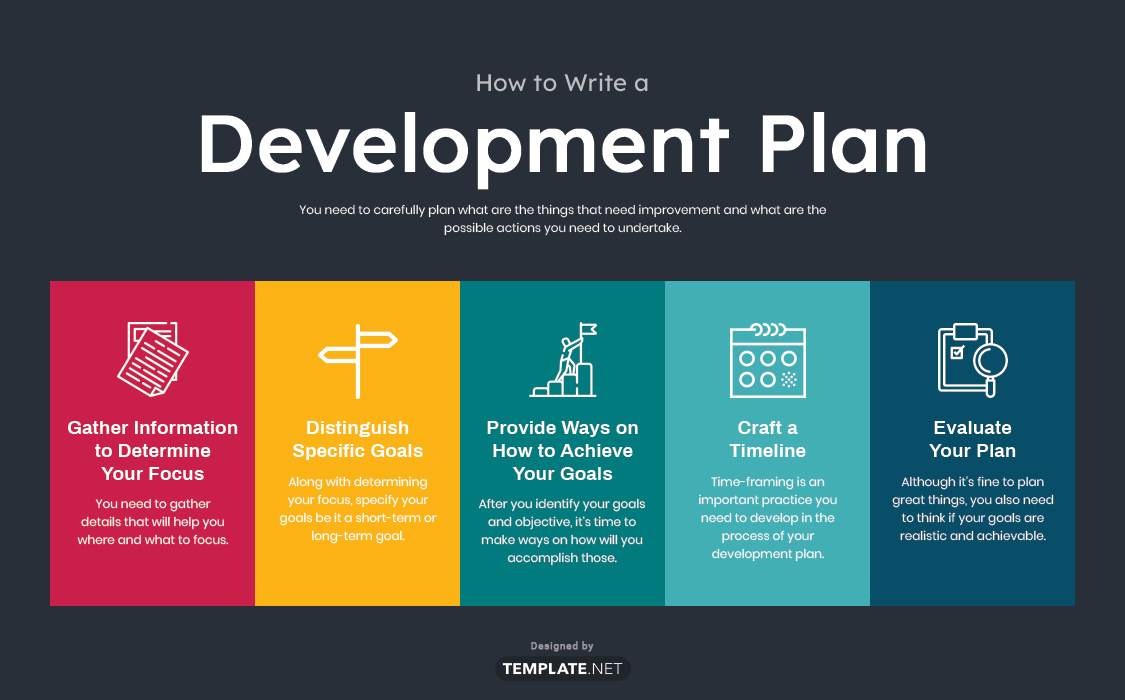
When faced with a compressed timeline for studying, the initial feeling can be one of overwhelming pressure. This urgency, however, can be a powerful motivator if channeled effectively. Understanding and acknowledging this pressure is the first step towards developing a focused and efficient study plan. It transforms anxiety into action, compelling us to be strategic and decisive in our approach to learning.The psychological impact of a short timeframe often triggers a “fight or flight” response, which can manifest as either paralysis or a surge of focused energy.
For effective study planning, we aim to harness this energy. This involves a rapid but thorough assessment of what needs to be learned, its inherent difficulty, and the most impactful areas to concentrate on. This proactive approach prevents last-minute cramming and ensures that the limited time available is used for maximum learning impact.
Rapid Assessment of Learning Material Volume and Complexity
To effectively manage study time under pressure, a swift and accurate evaluation of the learning material is paramount. This involves quickly gauging the sheer amount of content and understanding its inherent difficulty. By performing this assessment early, you can allocate your time more realistically and avoid underestimating the effort required.A practical approach involves a quick scan of textbooks, lecture notes, and syllabi.
For textbooks, note the number of chapters and the density of information within each. For lecture notes, assess the number of topics covered and the depth of detail provided. Complexity can be estimated by looking for advanced concepts, intricate diagrams, or extensive problem sets. Consider the subject matter itself; subjects with abstract theories or a high degree of technical jargon will naturally require more time than those with more straightforward factual recall.
Identifying Critical Topics for Immediate Focus
With the volume and complexity assessed, the next crucial step is to pinpoint the most vital topics that demand immediate attention. This prioritization is key to ensuring that your limited study time is spent on areas that will yield the greatest understanding and contribute most significantly to your overall learning objectives, especially in a compressed timeframe.This can be achieved through several methods:
- Syllabus Review: The syllabus is your roadmap. Topics explicitly marked as “core,” “essential,” or carrying a higher weight in assessments should be prioritized.
- Past Papers Analysis: If available, reviewing past exam papers can reveal recurring themes and question types. Focus on topics that consistently appear.
- Instructor Emphasis: Pay close attention to what your instructor emphasizes during lectures or in assigned readings. Topics they repeatedly highlight are usually of high importance.
- Interconnectedness: Identify foundational concepts that underpin other topics. Mastering these early will make learning subsequent material much easier.
Breaking Down Large Study Goals into Smaller, Manageable Chunks
The overwhelming nature of a large study goal can be significantly reduced by dividing it into smaller, more attainable segments. This strategy not only makes the task less daunting but also provides a sense of accomplishment as each smaller goal is met, fostering continued motivation and progress.This process can be effectively managed using the following techniques:
- Topic Segmentation: Divide each major topic into s or individual concepts. For instance, if studying “Photosynthesis,” break it down into “Light-Dependent Reactions,” “Calvin Cycle,” and “Factors Affecting Photosynthesis.”
- Time Blocking: Allocate specific, short time slots for each of these smaller chunks. A 25-minute Pomodoro session focused on a single can be far more productive than a two-hour unfocused study period.
- Actionable Steps: For each chunk, define a clear, actionable learning objective. Instead of “Study Chapter 3,” aim for “Understand the process of cellular respiration in glycolysis” or “Memorize the key enzymes involved in DNA replication.”
- Milestone Setting: Establish small milestones, such as completing a section of notes, solving a set of practice problems, or explaining a concept to someone else.
Crafting a High-Impact Study Schedule in Limited Time
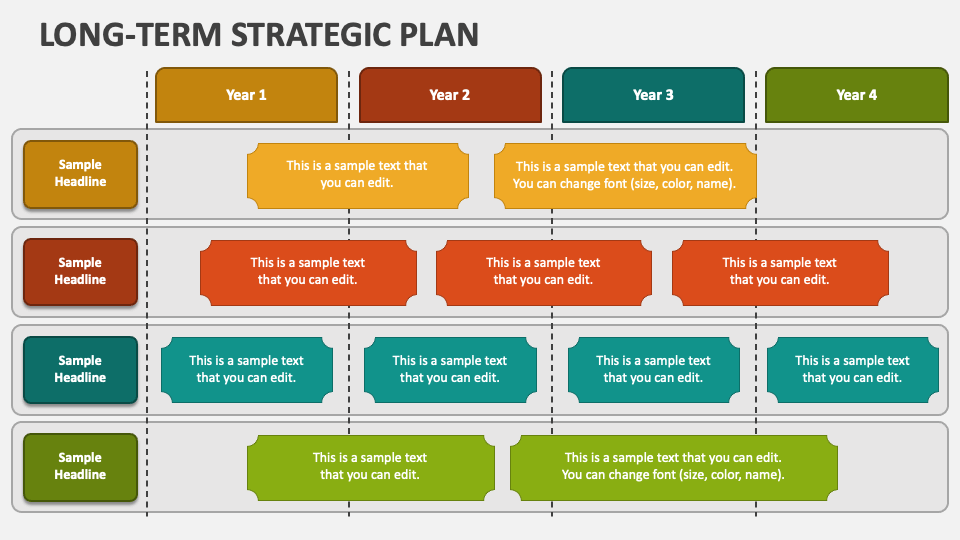
When time is of the essence, a well-structured study schedule is your most valuable tool. This section focuses on designing a practical and effective plan that maximizes your learning efficiency within a compressed timeframe. The goal is to create a blueprint that guides your efforts, ensuring every study session contributes meaningfully to your understanding and retention.The key to success in short-term planning lies in creating a schedule that is both structured and adaptable.
It needs to provide clear direction without being so rigid that it becomes unmanageable when unexpected disruptions occur. By employing smart techniques and realistic expectations, you can build a schedule that supports intensive learning.
Flexible Study Schedule Template for Short-Term Learning
A flexible template is crucial for adapting to the dynamic nature of short-term study. It should accommodate varying energy levels, unexpected interruptions, and the need for quick review. This template is designed to be a starting point, easily customizable to your specific needs and the demands of your subject matter.Here is a basic structure that can be adapted:
- Day of the Week: Monday to Sunday.
- Time Blocks: Morning (e.g., 7 AM – 12 PM), Afternoon (e.g., 1 PM – 5 PM), Evening (e.g., 6 PM – 9 PM).
- Subject/Topic: Specific area of study for each block.
- Activity: Type of study (e.g., Lecture Review, Practice Problems, Flashcards, Concept Mapping).
- Duration: Length of the study session.
- Break: Scheduled short breaks within longer blocks.
- Review/Consolidation: Time dedicated to reviewing material from previous sessions.
- Flexibility Slot: Unallocated time for catching up or deeper dives.
Time-Blocking Techniques for Compressed Study Periods
Time blocking involves dividing your day into specific blocks of time dedicated to particular tasks. For short-term study, this technique is particularly effective as it ensures focused effort on essential topics and prevents procrastination. The goal is to allocate specific time slots for learning, review, and breaks, creating a clear roadmap for your study sessions.Effective time-blocking for intensive study includes:
- Pomodoro Technique: Work in focused bursts of 25 minutes, followed by a 5-minute break. After four Pomodoros, take a longer break of 15-30 minutes. This method enhances concentration and prevents burnout.
- Themed Days: Dedicate entire days or significant portions of days to specific subjects or types of tasks (e.g., a “Problem-Solving Day” or a “Concept Review Day”). This minimizes context switching and allows for deeper immersion.
- Batching Similar Tasks: Group similar activities together. For instance, dedicate a block to reviewing all notes from a particular chapter or completing all assigned readings for a subject.
- Pre-scheduled Review Slots: Integrate short, frequent review sessions throughout the day and at the end of each study day. This reinforces learning and aids long-term retention, even in a compressed timeline.
Sample Daily Schedule for Intensive Study
This sample schedule illustrates how to integrate focused study sessions with necessary breaks for optimal learning during a period of intensive study. It emphasizes a balanced approach, ensuring that both learning and recovery are prioritized.Here is a potential daily schedule:
| Time Block | Activity | Subject/Topic | Notes |
|---|---|---|---|
| 7:00 AM – 7:30 AM | Light Review | Yesterday’s Key Concepts | Quick recap to refresh memory. |
| 7:30 AM – 9:00 AM | Focused Study Session 1 | Core Subject A (e.g., Calculus) | Lecture review and initial problem-solving. |
| 9:00 AM – 9:15 AM | Break | N/A | Stretch, hydrate, brief mental reset. |
| 9:15 AM – 10:45 AM | Focused Study Session 2 | Core Subject A (e.g., Calculus) | Advanced problem-solving and application. |
| 10:45 AM – 11:00 AM | Break | N/A | Light snack, short walk. |
| 11:00 AM – 12:30 PM | Focused Study Session 3 | Supporting Subject B (e.g., Physics) | Reading and note-taking. |
| 12:30 PM – 1:30 PM | Lunch Break | N/A | Nutritious meal, away from study area. |
| 1:30 PM – 3:00 PM | Focused Study Session 4 | Supporting Subject B (e.g., Physics) | Practice questions and concept clarification. |
| 3:00 PM – 3:15 PM | Break | N/A | Mindful breathing or quick meditation. |
| 3:15 PM – 4:45 PM | Focused Study Session 5 | Review/Practice | Mixed practice problems from both subjects. |
| 4:45 PM – 5:00 PM | End-of-Day Review | Key Takeaways | Summarize what was learned today. |
| 5:00 PM onwards | Personal Time/Dinner | N/A | Rest and recharge. |
Realistic Study Session Durations
Setting realistic durations for your study sessions is fundamental to maintaining focus and preventing mental fatigue, especially during periods of intense learning. Overly long sessions can lead to diminishing returns, reduced comprehension, and increased stress. Conversely, sessions that are too short may not allow for sufficient depth in tackling complex topics.The ideal duration for a study session in a compressed timeframe typically ranges from 45 to 90 minutes.
This range allows for focused engagement with the material without overwhelming the cognitive capacity.
“The brain learns best in focused, manageable bursts, interspersed with periods of rest and consolidation.”
For example, a 60-minute session might be structured as:
- 10 minutes: Quick review of previous material or topic introduction.
- 35 minutes: Deep dive into new concepts, active reading, or problem-solving.
- 10 minutes: Summarizing key points or identifying areas of confusion.
- 5 minutes: Planning for the next session or a brief mental break.
This approach ensures that each session is productive and contributes effectively to your overall learning objectives.
Maximizing Learning Efficiency with Limited Resources
When time is of the essence, making the most of your study materials and techniques is paramount. This section focuses on practical strategies to enhance learning efficiency, even when resources are scarce. We’ll explore how to engage actively with the material and create effective, condensed study aids.The key to rapid learning lies in smart resource utilization and active engagement. Instead of passively reading, we need to transform information into something that requires our cognitive effort to retrieve and process.
This not only aids in retention but also helps identify knowledge gaps quickly.
Effective Active Recall Methods for Quick Implementation
Active recall is a powerful learning strategy that involves retrieving information from memory without looking at your notes. This process strengthens memory pathways and highlights areas that need further review. Implementing active recall can be done swiftly and effectively, even with limited study time.Here are several active recall methods that can be implemented quickly:
- Flashcards: Create simple question-and-answer pairs on index cards or digital flashcard apps. Test yourself by looking at the question and trying to recall the answer before flipping the card.
- Practice Questions: If you have access to practice tests or end-of-chapter questions, use them as a primary study tool. Attempt to answer questions without referring to your notes, then check your answers and review any incorrect responses thoroughly.
- Summarization: After reading a section or watching a lecture, close your notes and try to summarize the main points in your own words. This forces you to actively retrieve and synthesize information.
- Teaching Others (or Imagining Teaching): Explain a concept to someone else or even to an imaginary audience. The act of articulating the information helps solidify your understanding and identify areas of confusion.
- Blank Page Method: After studying a topic, take a blank piece of paper and write down everything you can remember about it. Compare this with your notes to see what you’ve missed.
Techniques for Creating Concise Study Aids
Developing condensed study aids is crucial for rapid review and long-term retention. These aids act as distilled versions of your learning material, making it easier to revisit key concepts without sifting through extensive notes.The goal is to create aids that are easy to scan, understand, and use for quick revision.
- Flashcards: As mentioned, flashcards are excellent for breaking down complex information into digestible question-and-answer pairs. For example, on one side, you might write “Define photosynthesis,” and on the other, “The process plants use to convert light energy into chemical energy.”
- Summary Sheets: Create one-page summaries for each major topic. These sheets should highlight key definitions, formulas, dates, or processes. Use bullet points and concise language.
- Acronyms and Mnemonics: For lists or sequences, create memorable acronyms or rhymes. For instance, the colors of the rainbow can be remembered with ROY G BIV.
- Flowcharts: For processes or cause-and-effect relationships, flowcharts provide a visual representation that is easy to follow. Start with a beginning event and branch out to subsequent steps or outcomes.
Note-Taking Strategies for Rapid Information Capture and Review
Effective note-taking during a short study period needs to prioritize speed and clarity for later recall. The best strategies allow you to capture essential information quickly and organize it in a way that facilitates easy review.Consider these note-taking approaches for rapid learning:
- Cornell Note-Taking System: Divide your page into three sections: a main note-taking area, a cue column for s and questions, and a summary section at the bottom. This structure encourages active processing and review. During a lecture or reading, jot down main points in the large section. After, formulate questions or s in the cue column. Finally, summarize the page in the bottom section.
- Artikel Method: This method uses a hierarchical structure of main points, sub-points, and supporting details, often using indentation and bullet points. It’s excellent for organizing linear information and lectures with clear structures.
- Sketchnoting (Visual Notes): Combine drawings, symbols, handwritten notes, and visual elements like arrows and boxes. This approach can significantly boost engagement and memory by engaging different parts of the brain. Even simple doodles can act as powerful memory triggers.
Leveraging Existing Resources Effectively
When time is limited, it’s essential to be strategic about how you use the resources available to you. Instead of starting from scratch, look for ways to build upon existing materials that can accelerate your learning process.The goal is to extract maximum value from pre-existing content, avoiding redundant efforts.
- Study Guides: If provided by your instructor or found from reputable sources, study guides are invaluable. They often highlight key topics and concepts that are likely to be tested. Use them to focus your reading and active recall efforts.
- Summaries and Chapter Reviews: Many textbooks and online courses include chapter summaries or review sections. Read these first to get an overview of the material, then dive into the details of areas you find particularly challenging or important.
- Online Resources: Reputable educational websites, video platforms (like Khan Academy or CrashCourse), and academic forums can offer concise explanations and alternative perspectives on complex topics. Use these to clarify concepts you struggle with.
- Peer-Created Notes or Summaries: If available and reliable, notes or summaries from classmates can offer a different perspective and highlight what others found important. Always cross-reference with your own understanding and official materials.
Maintaining Focus and Motivation During Short, Intense Study Bursts

When time is limited, maintaining sharp focus and sustained motivation is paramount to effective learning. This section delves into practical strategies to optimize your concentration and keep your drive high during compressed study periods. We will explore how your surroundings, your approach to distractions, and your internal drive all play crucial roles in maximizing your learning efficiency under pressure.The intensity of short-term study demands a proactive approach to managing your mental state and environment.
By understanding the interplay of these factors, you can transform high-pressure study sessions into highly productive learning experiences.
Environmental Factors Enhancing Concentration
Your study environment significantly impacts your ability to concentrate. Optimizing it can create a conducive atmosphere for deep learning, even with limited time.A well-designed study space minimizes sensory overload and promotes a sense of calm, allowing your brain to engage more effectively with the material. Consider the following elements:
- Lighting: Natural light is ideal as it helps regulate your body’s natural rhythms and reduces eye strain. If natural light is insufficient, opt for bright, cool-toned artificial lighting that mimics daylight.
- Noise Levels: Identify your optimal noise level. Some individuals thrive in complete silence, while others benefit from ambient noise like instrumental music or white noise. Experiment to find what works best for you.
- Temperature: A comfortable room temperature, generally between 20-22°C (68-72°F), is crucial. Overly warm or cold environments can lead to fatigue and reduced cognitive function.
- Organization: A clutter-free workspace is essential. Ensure all necessary materials are within easy reach to avoid unnecessary interruptions to search for items.
- Ergonomics: A comfortable chair and desk setup can prevent physical discomfort, which can be a major distraction. Ensure your posture is supported and your screen is at eye level.
Minimizing Distractions for Time-Sensitive Study
In a compressed study timeframe, even minor distractions can derail your progress. Implementing strategies to proactively eliminate them is vital.The goal is to create a protective bubble around your study session, ensuring that your attention remains solely on the task at hand.Here are actionable tips to minimize distractions:
- Digital Detox: Turn off notifications on your phone and computer. Consider using website blockers or apps that limit access to distracting websites and social media for set periods.
- Inform Others: Communicate your study needs to family, roommates, or colleagues. Let them know you need uninterrupted time and establish clear boundaries.
- Physical Barriers: If possible, find a quiet, dedicated space where you are less likely to be interrupted. If this is not feasible, use noise-canceling headphones to create a personal auditory sanctuary.
- Task Batching: Group similar small tasks together that are not related to your primary study goal (e.g., checking emails, responding to quick messages) and address them during designated breaks, rather than letting them interrupt your flow.
- Mindfulness Techniques: If a distracting thought arises, acknowledge it without judgment and gently redirect your attention back to your studies. This practice can be cultivated over time.
Motivational Techniques for Compressed Study Periods
Sustaining motivation during intense, short study bursts requires specific techniques to keep your drive alive and prevent mental fatigue.The key is to create a sense of accomplishment and forward momentum, even when the task feels overwhelming.Consider these motivational strategies:
- Set Micro-Goals: Break down your study material into very small, achievable chunks. Completing each micro-goal provides a sense of progress and boosts motivation. For example, instead of “study Chapter 3,” aim for “read and summarize the first two sections of Chapter 3.”
- Reward System: Implement a small, immediate reward for completing each study block or micro-goal. This could be a short break, a healthy snack, or a few minutes of a preferred activity.
- Visualize Success: Regularly remind yourself of the benefits of achieving your study goals. Visualize yourself succeeding in your exams or understanding the material deeply.
- Study Buddy (Virtual): If possible, connect with a study partner virtually. Knowing someone else is also working intensely can provide accountability and a shared sense of purpose.
- Positive Affirmations: Use encouraging self-talk. Replace negative thoughts with positive affirmations about your ability to learn and succeed.
Managing Stress and Preventing Burnout
Intense study periods can be taxing, making stress management and burnout prevention critical for sustained effort and well-being.Recognizing the signs of stress and proactively implementing coping mechanisms will ensure you can maintain your performance without detrimental effects.Strategies for managing stress and preventing burnout include:
- Scheduled Breaks: Incorporate short, regular breaks into your study schedule. The Pomodoro Technique (25 minutes of study, 5 minutes of break) is a popular and effective method. Ensure breaks are truly restful and not filled with more mentally demanding tasks.
- Physical Activity: Even short bursts of physical activity, like a brisk walk or stretching, can significantly reduce stress levels and improve cognitive function.
- Adequate Sleep: Prioritize sleep, even when time is scarce. Sleep deprivation severely impairs learning, memory, and emotional regulation. Aim for 7-9 hours of quality sleep.
- Healthy Nutrition and Hydration: Fuel your body and brain with nutritious food and stay well-hydrated. Avoid excessive caffeine or sugar, which can lead to energy crashes.
- Mindfulness and Relaxation: Practice deep breathing exercises, meditation, or progressive muscle relaxation for a few minutes each day. These techniques can help calm the nervous system.
- Realistic Expectations: Acknowledge that short, intense study periods are demanding. Avoid setting impossibly high expectations for yourself, which can lead to frustration and burnout. Focus on doing your best within the given constraints.
Adapting and Reviewing Your Quick Study Plan

A well-structured study plan is a valuable tool, but its effectiveness is amplified when it remains flexible. In a short timeframe, the ability to adapt and review your progress ensures you’re allocating your limited time and energy most efficiently. This section focuses on how to conduct quick self-assessments and make necessary adjustments to keep your study momentum high.The dynamic nature of learning, especially under time constraints, necessitates continuous evaluation.
What seems like a solid plan on paper might reveal areas of unexpected difficulty or surprising ease during execution. Therefore, incorporating regular, brief review periods is not a luxury but a critical component of successful rapid study.
Self-Assessment of Progress
Regularly checking your progress against your schedule allows for immediate identification of any deviations. This involves a quick, honest appraisal of what has been accomplished versus what was planned for a specific period. The goal is to get a snapshot of your current standing without getting bogged down in lengthy analysis.To conduct a quick self-assessment:
- Allocate a specific, short time slot (e.g., 5-10 minutes) at the end of each study session or at designated intervals (e.g., end of the day).
- Compare the topics or tasks completed against your schedule for that period.
- Note down any topics that took significantly longer or shorter than anticipated.
- Record any areas where understanding feels weak or exceptionally strong.
- Use a simple marking system (e.g., a checkmark for completion, a star for strong understanding, a question mark for areas needing more attention).
On-the-Fly Plan Adjustments
Based on your self-assessment, you’ll need to be prepared to adjust your study plan. This is not about discarding the plan but about making intelligent modifications to optimize your remaining time. The key is to be agile and responsive to your learning experience.Methods for adjusting your study plan include:
- Reallocating Time: If a particular topic proved more challenging, allocate slightly more time to it in subsequent sessions, potentially by slightly reducing time from a topic you grasp quickly.
- Topic Prioritization Shift: If you discover a critical concept you misunderstood early on, it might become a higher priority than initially planned.
- Method Modification: If a particular study method isn’t yielding results for a specific topic, consider switching to an alternative approach (e.g., from reading to watching a video, or from passive recall to active problem-solving).
- Breaking Down Complex Tasks: If a large task is proving overwhelming, break it down into smaller, more manageable sub-tasks that can be slotted into shorter study bursts.
- Incorporating Quick Revisions: If you notice a recurring pattern of forgetting certain information, build in very short, targeted review moments for those specific points.
Importance of Brief, Focused Review Sessions
Within a tight schedule, extensive review might seem counterproductive. However, short, focused review sessions are crucial for consolidating learning and preventing information decay. These sessions act as essential touchpoints to reinforce what you’ve studied.The benefits of brief review sessions include:
- Reinforcing Memory: Regularly revisiting material strengthens neural pathways, making recall more efficient.
- Identifying Gaps: Quick reviews highlight areas where understanding is still superficial, allowing for targeted remediation.
- Building Confidence: Successfully recalling information during a review boosts confidence and motivation.
- Preventing Procrastination on Review: By integrating small reviews, you avoid the daunting task of trying to review everything at the last minute.
Consider these reviews as micro-learning opportunities that compound over time.
Rapid Post-Study Evaluation Checklist
A quick evaluation after a study session or at the end of a day helps you understand what worked and what didn’t, informing your next steps. This checklist provides essential elements for a rapid assessment.
Before you move on to your next task or rest, quickly run through this checklist:
- Did I cover the planned material for this session/day?
- Were there any topics that took significantly more or less time than expected?
- Do I feel confident about the concepts covered, or are there areas of doubt?
- What was the most effective study technique used today?
- What was the least effective study technique used today?
- Are there any immediate adjustments needed for the next study session based on today’s performance?
- Did I maintain focus during the study period? If not, what was the distraction?
Closing Summary
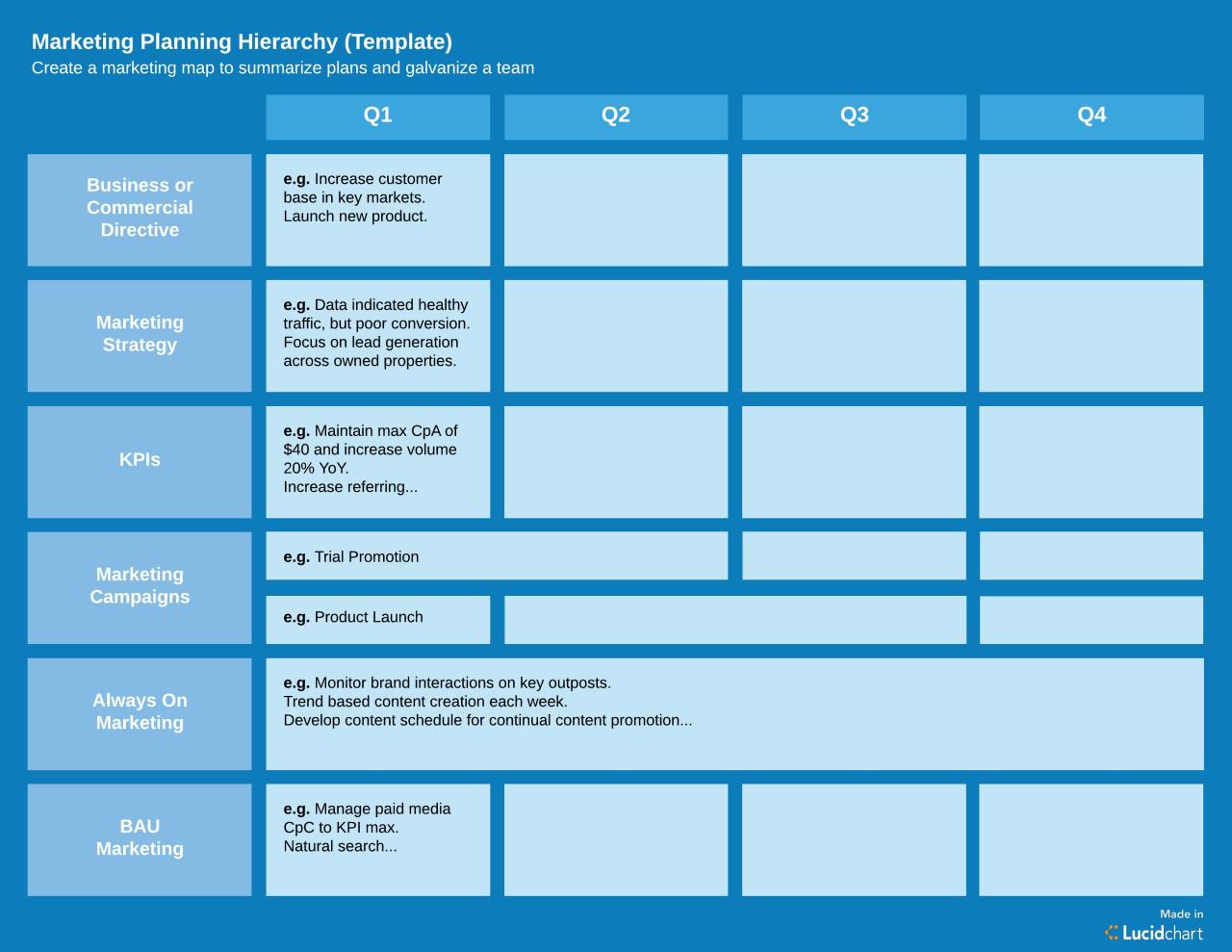
In conclusion, mastering the art of planning a study schedule in a short time is a skill that can be honed through strategic prioritization, efficient resource utilization, and disciplined execution. By embracing these methods, you can confidently tackle intensive study periods, achieving your learning objectives without succumbing to pressure.